Why Are Pepper Leaves Yellow? Find the Cause
6 min read
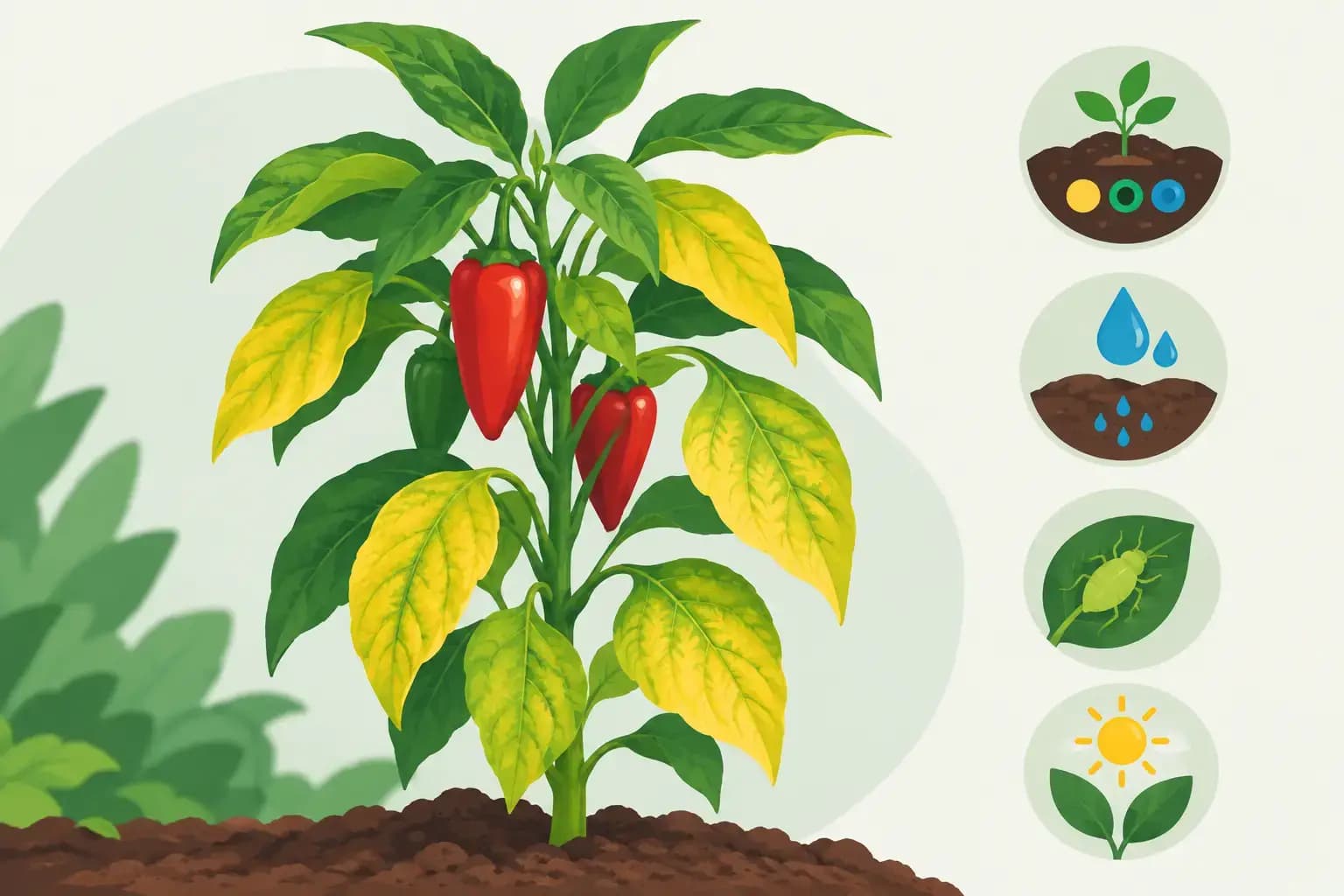
A pepper plant can look fine on Monday and noticeably yellow by Friday. That change is frustrating because why are pepper leaves yellow has more than one answer - and adding fertilizer or water without checking first can make the problem worse. The useful question is: which leaves changed first, what does the soil feel like, and what changed in the weather this week?
Start there. Yellowing is a signal, not a diagnosis. A few aging leaves low on a mature plant are usually normal. Yellow leaves spreading through new growth, leaves with spots, or a plant that is wilting while the soil is wet need attention tonight or this weekend.
Why are pepper leaves yellow? Start with the pattern
Before treating anything, spend five quiet minutes looking at the whole plant. Check whether yellowing begins on the oldest lower leaves or the fresh leaves at the top. Notice whether the leaf is evenly pale, green-veined with yellow tissue between the veins, speckled, curled, or soft and limp.
Then check the growing conditions. Push a finger two inches into the soil, or deeper for a large container. Look under leaves for aphids or spider mites. Think back to heavy rain, a heat wave, a cold night, recent transplanting, or a fertilizer application. Those small observations narrow the possibilities quickly.
If lower leaves are yellow, check water and nitrogen first
Uniform yellowing on the oldest leaves often points to a mobile nutrient problem, especially nitrogen. The plant moves available nitrogen from old foliage to support new growth, so lower leaves fade first. This is common in containers, raised beds with light soil, and plants that have been producing heavily for weeks.
It can also happen when roots are too wet to work properly. A pepper in soggy soil cannot take up nutrients well, even if fertilizer is present. If the soil is damp several inches down and the plant is drooping, do not respond with more water or more fertilizer. Let the root zone begin to dry, make sure the pot has open drainage holes, and remove any saucer that is holding water after rain.
If soil is dry and the plant has not been fed in several weeks, use a balanced vegetable fertilizer according to its label. Avoid doubling the dose to catch up. Overfertilizing can burn roots, create lots of soft leafy growth, and delay fruiting.
If new leaves are yellow with green veins, suspect nutrient lockout
Yellow new growth with distinctly green veins is often chlorosis. Iron is a common culprit, although manganese and other micronutrients can produce similar symptoms. In home gardens, the issue is frequently not a total absence of nutrients. It is that the roots cannot access them.
High soil pH, cold soil, waterlogged roots, or root damage after transplanting can all interfere with uptake. Peppers generally perform best in slightly acidic soil, around pH 6.0 to 6.8. If this pattern keeps appearing, test the soil rather than guessing. A soil test can save you from adding products that do not address the cause.
For a newly planted pepper, give roots time to settle if the weather is otherwise favorable. For a plant in an old container mix, consider refreshing the mix after the season rather than repeatedly correcting symptoms with fertilizer.
Watering mistakes can look almost identical
Peppers want consistent moisture, not constant moisture. Their broad leaves lose water quickly in heat, but their roots also need air. That makes both underwatering and overwatering believable explanations for yellow leaves.
An underwatered plant often has dry soil, drooping leaves during the hottest part of the day, and leaf edges that eventually become crisp or brown. Water slowly at the base until moisture reaches the root zone. In a container, continue until a little water drains from the bottom. Check again the next morning before watering a second time.
An overwatered plant may also droop, but its soil stays wet and leaves may feel softer. Yellowing often starts low on the plant. Improve drainage, pause irrigation, and keep mulch pulled back a few inches from the stem while the soil dries. If rain is expected, skip the scheduled watering. The weather matters more than the calendar.
For most established peppers, deep watering once or twice a week is better than a light daily sprinkle. The actual schedule depends on heat, wind, soil type, pot size, and rainfall. A black five-gallon container in July may need water every day. A pepper in a mulched bed after a soaking storm may need none for several days.
Temperature stress can turn leaves pale or yellow
Peppers are warm-season plants. Cool nights can slow root activity and make leaves look washed out, particularly in spring. Temperatures below about 55 degrees F can stall growth, while a frost can blacken or collapse foliage outright.
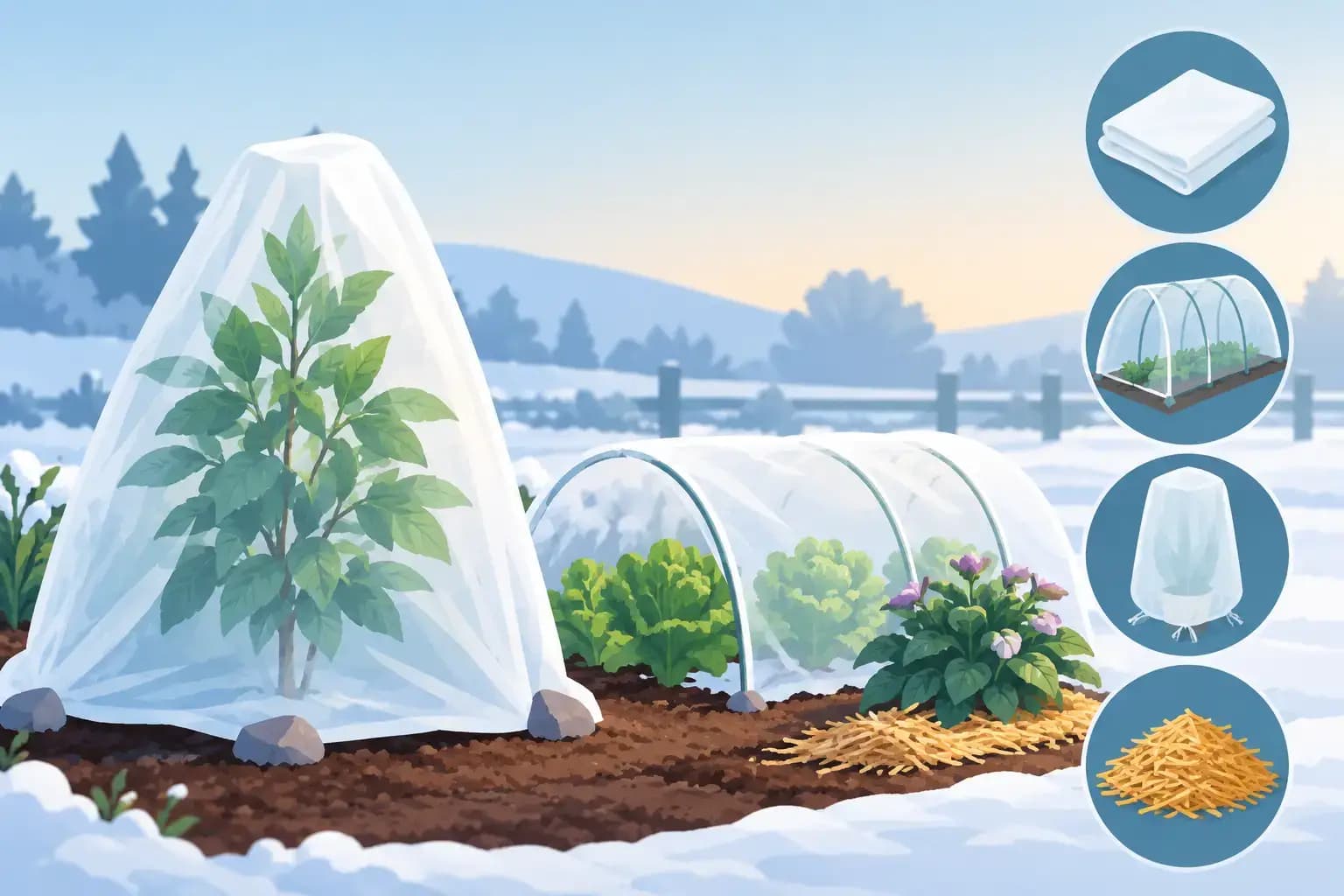
If a cold night is forecast, cover in-ground peppers before sunset with frost cloth, a sheet supported by stakes, or a proper plant cover. Bring containers close to the house or into a protected space if possible. Remove covers in the morning once temperatures rise so heat and humidity do not build up around the leaves.
Extreme heat creates a different kind of stress. Leaves may yellow, curl, or drop as the plant tries to conserve water. Give the plant a deep morning watering if the soil is dry, and use temporary afternoon shade during a severe heat spell. Do not prune heavily or fertilize a stressed pepper until it resumes normal growth.
Look closely for pests and disease
Yellow leaves with stippling, curling, or sticky residue are more likely to involve insects than nutrition. Aphids cluster on tender tips and leave honeydew behind. Spider mites cause tiny pale dots that merge into bronzing or yellowing, often with fine webbing underneath leaves. Whiteflies flutter up when disturbed and feed on leaf undersides.
Start with the least disruptive fix: rinse pests off with a firm stream of water, especially beneath leaves, then inspect again in two or three days. For persistent infestations, use insecticidal soap or horticultural oil as directed on the label. Apply in the cool part of the day, never when plants are heat-stressed or in direct hot sun.
Disease deserves a more cautious response. Yellowing combined with dark spots, rings, wilting, or a one-sided collapse can indicate fungal, bacterial, or viral trouble. Remove badly affected leaves with clean pruners and put them in the trash, not the compost pile. Avoid working among plants when foliage is wet, and water at soil level to keep leaves dry.
If an entire plant wilts despite moist soil, inspect the stem near the soil line and consider root disease. A plant with severe wilt or spreading disease symptoms may need to be removed to protect nearby peppers, tomatoes, and eggplants. It is disappointing, but keeping one failing plant can cost you a whole bed.
Yellow after transplanting is often temporary
A pepper moved from a nursery pot into the garden may shed or yellow a few leaves while it adjusts. Roots can be disturbed, sunlight may be stronger, and cool nights can slow recovery. If new growth looks healthy after a week or two, the plant is likely settling in.
Help it recover with steady moisture, not saturated soil. Protect it from sharp wind and cold, and wait to fertilize unless it was planted in clearly poor soil. A stressed plant does not need a crowded to-do list.
A 10-minute pepper check for tonight
When you notice yellowing, work through these decisions in order:
- Feel the soil two to three inches down. Water only if it is dry at that depth.
- Check the oldest and newest leaves separately. The location of yellowing helps distinguish nitrogen issues from micronutrient uptake problems.
- Turn over several leaves and inspect for insects, webbing, eggs, or sticky residue.
- Review the last seven days: rain, heat, cool nights, transplanting, or fertilizer all matter.
- Remove only leaves that are badly damaged or clearly diseased. Keep healthy leaves in place to power recovery.
Take a photo before you make changes. If the yellowing spreads, that record helps you see the pattern instead of relying on memory. A weather-aware garden log can also show whether symptoms followed heavy rain, a cold snap, or a missed watering cycle. Tomatograph is built around that kind of short, practical check: identify what changed, then focus on the one action that matters now.
A pepper plant does not need perfect conditions to recover. It needs the right correction, made calmly and early. Check the soil, inspect the leaves, and give the plant a few days to respond before changing course again.