How a Garden Journal App Saves Garden Time
6 min read
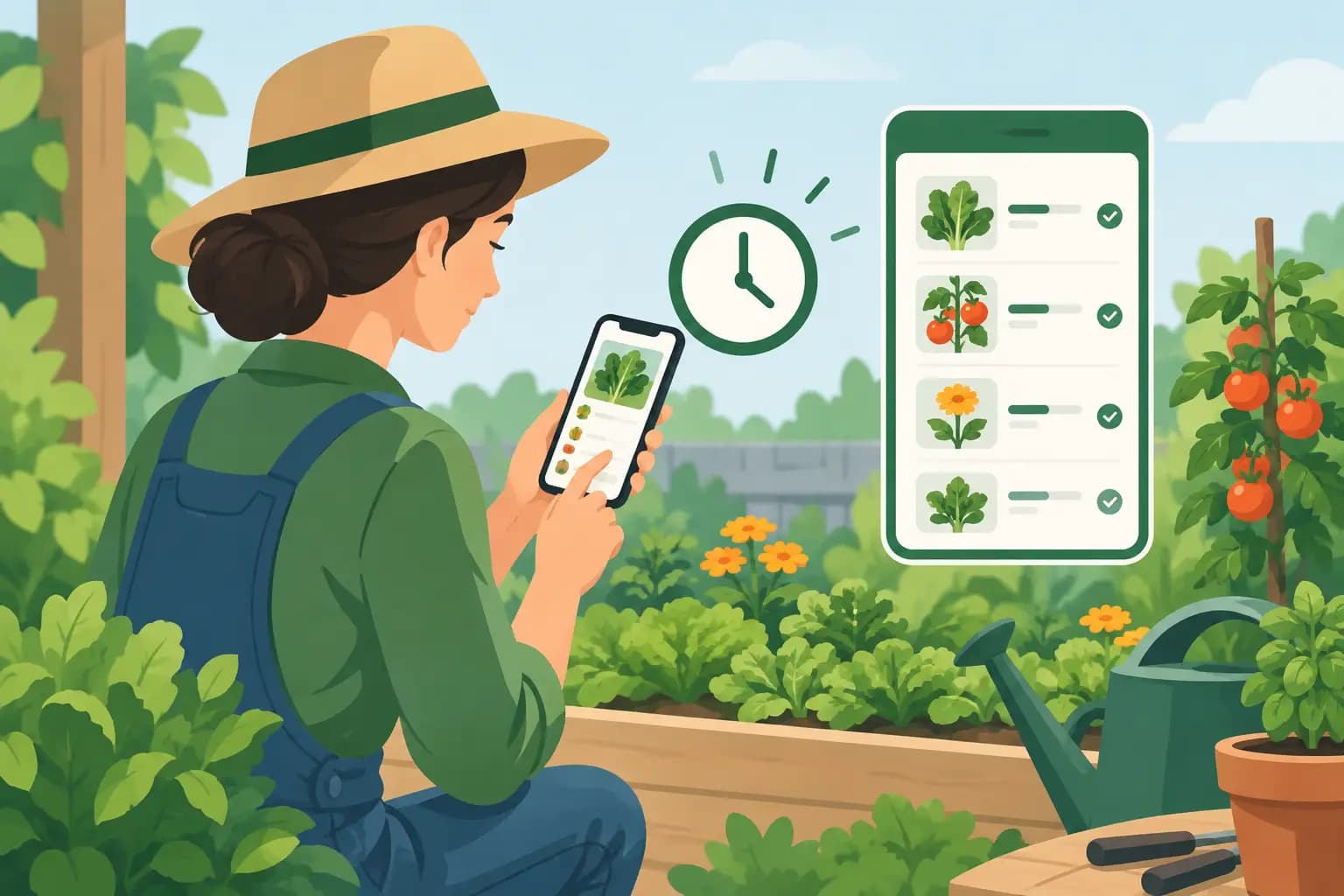
Your tomato leaves looked fine on Sunday. By Wednesday, a few yellow spots appeared. Then rain arrived, the weekend filled up, and now you are trying to remember whether that bed was fed, sprayed, or simply thirsty. A garden journal app earns its place in that moment. It gives you a record, but more importantly, it helps you decide what needs attention before a small issue becomes a lost harvest.
For busy backyard growers, the point is not to create a perfect archive of every seed packet and bloom date. It is to spend fifteen useful minutes in the yard with confidence. A good journal should reduce the mental tabs you keep open: which basil needs covering, whether the cucumbers were watered after Tuesday's rain, and when that patch of lawn last received fertilizer.
A Garden Journal App Should Do More Than Store Notes
Paper notebooks have real appeal. They never need charging, and a page full of sketches can become a useful record over several seasons. But they are easy to leave in the shed, hard to search, and disconnected from the conditions shaping your garden right now.
A basic digital journal can have the same limitation. If it only asks you to enter notes, it may become another task to maintain after a long workday. The useful version connects your observations to the situation around them: local rain, temperature swings, frost risk, plant stage, and the last care you logged.
That distinction matters because garden work is rarely about one isolated fact. “Watered peppers” is a record. “Skip pepper watering today because yesterday's rain soaked the root zone, but check the containers by Friday afternoon” is a decision. The second one protects time and avoids the common habit of watering on schedule rather than according to conditions.
Start With the Garden You Actually Have
The most helpful journal is specific enough to reflect your space without demanding an hour of setup. Name the places where care decisions differ. That might mean the raised bed beside the fence, the three herb pots on the patio, the greenhouse shelf, and the front lawn.
Avoid making every plant a separate project if your garden does not need that level of detail. A bed of lettuce planted at the same time can be one entry. Three container tomatoes with different varieties and different problems may deserve their own records. The right level depends on how much your care changes from one spot to another.
For each area, capture the details that affect your next decision: what is growing there, when it was planted or transplanted, the variety if you know it, and any recurring concern such as poor drainage, afternoon shade, rabbit pressure, or a windy exposure. You do not need to backfill years of history. Begin with the current season and let the record become more valuable as you use it.
Log events when they change tomorrow's work
Not every garden moment needs a note. Log the things you will want to know later when a question comes up. Planting, transplanting, harvesting, watering during dry spells, feeding, pruning, pest treatment, frost protection, and disease symptoms are all worth recording.
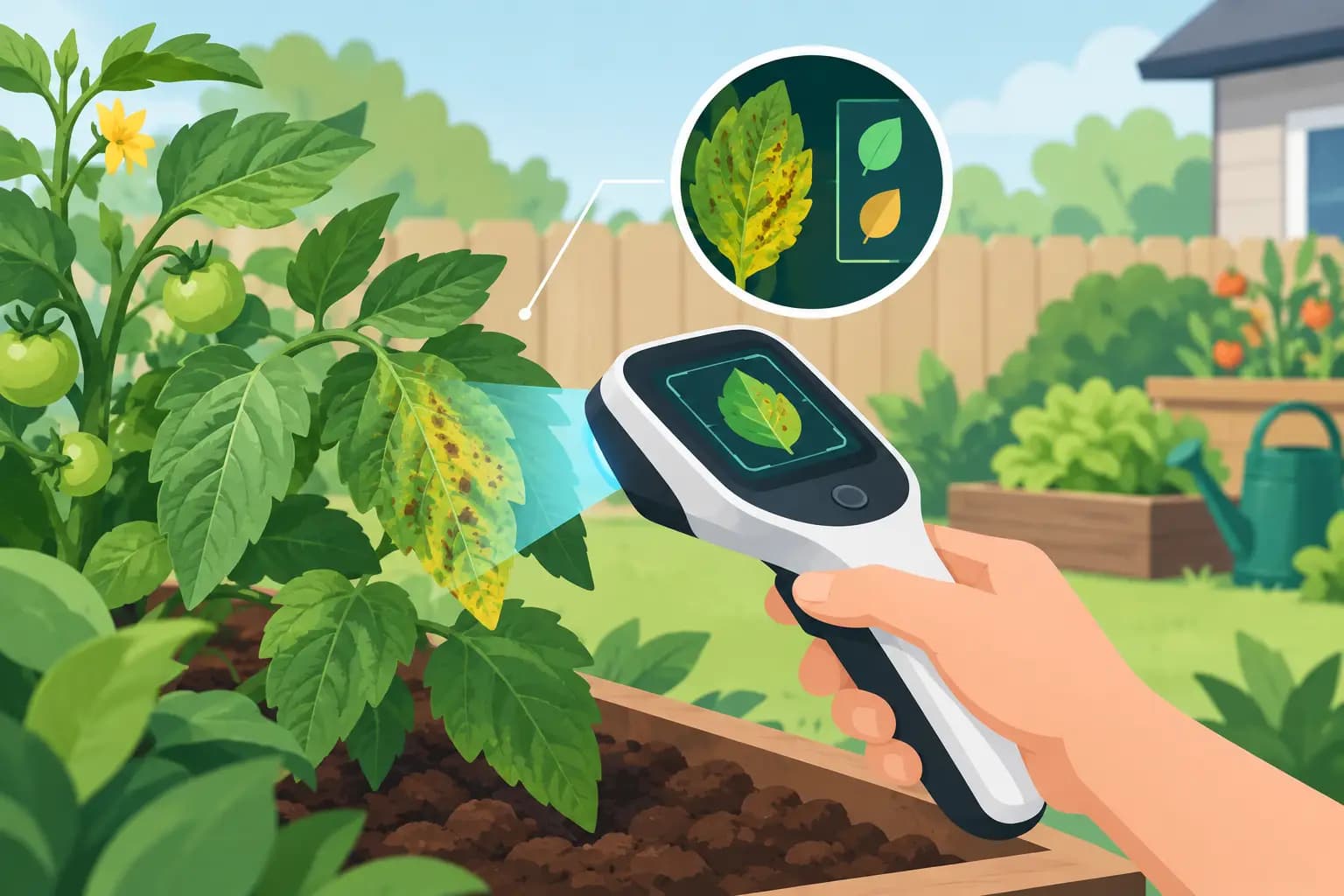
Photos belong in that list. A picture of a leaf issue, a newly installed trellis, or a thin lawn patch can tell you far more than “looked bad.” Take the photo in decent light and include a wider shot when location matters. In two weeks, you can compare whether the problem spread, improved, or stayed contained.
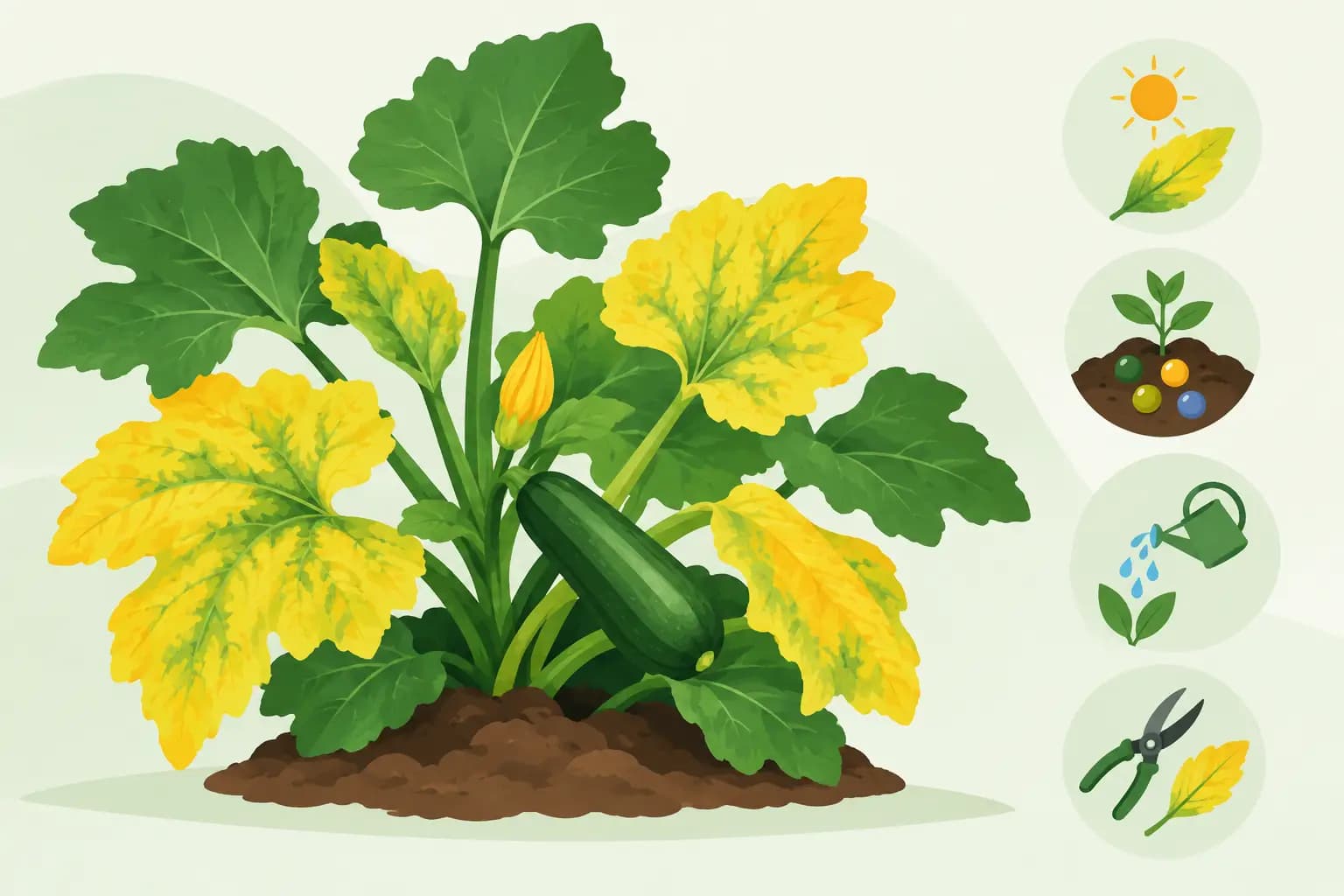
Keep notes short and concrete. “Powdery mildew on two lower squash leaves, removed leaves, watered at soil level” is better than a paragraph written in frustration. The goal is not literary gardening. It is a useful trail of evidence.
Let Weather Set the Priorities
Weather is one reason garden journals often fail when they are kept as static logs. A task that made sense on Monday can become unnecessary after an inch of rain, or urgent when the forecast turns cold.
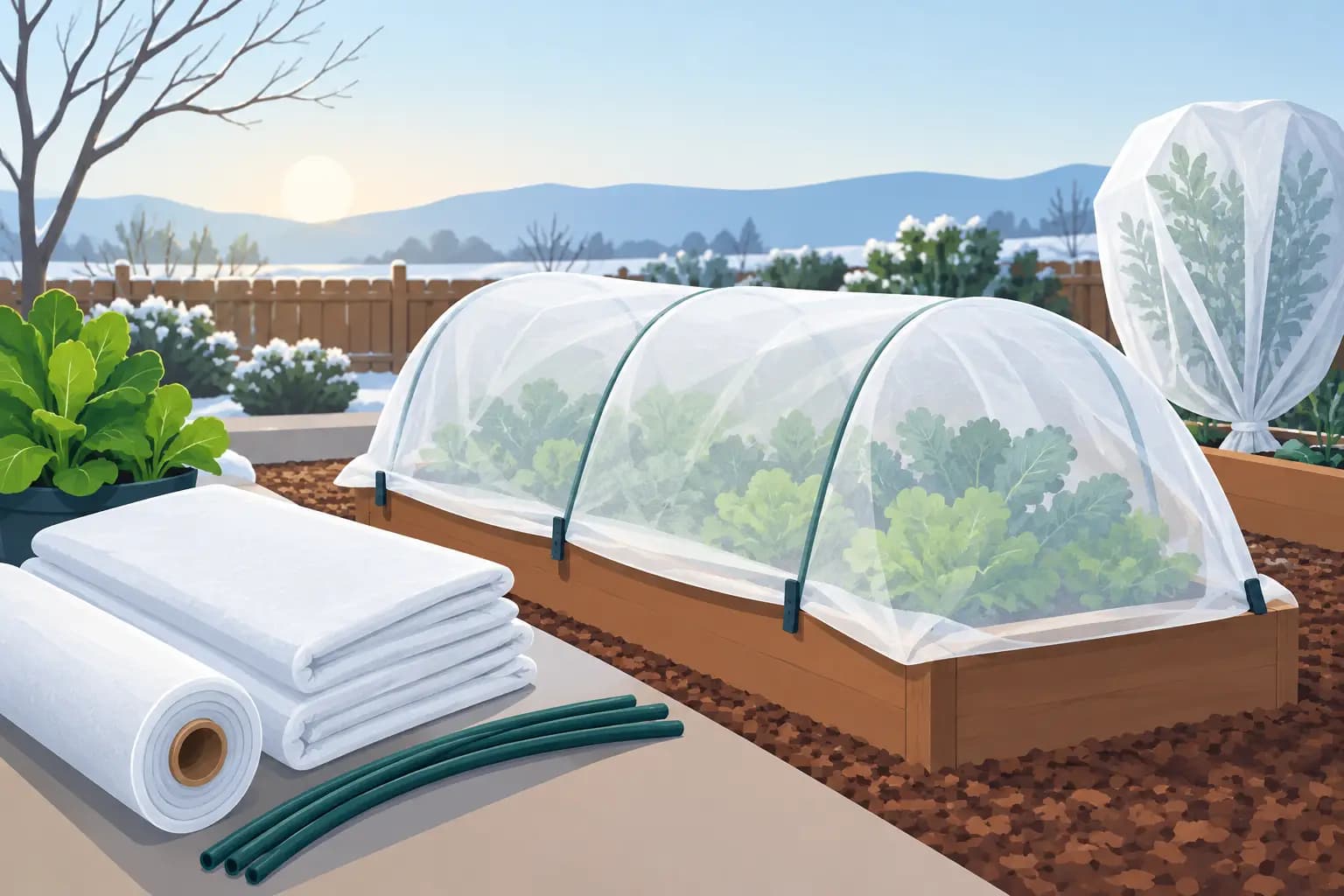
Consider a fall week with mild daytime weather and a forecast low of 35°F on Thursday night. The useful plan is not “prepare for winter.” It is: cover or bring in the basil before Thursday night, harvest ripe peppers this evening, and leave established kale alone. That is a short list with a deadline and a reason.
The same applies in summer. If a hot, dry stretch follows a light shower, newly planted seedlings and containers may still need water while deep-rooted tomatoes in mulched beds can wait. A journal that combines your last watering record with rainfall and heat can help separate those needs instead of treating every part of the yard alike.
Moon phases can be interesting to track if they are part of your gardening practice, but they should not crowd out higher-confidence signals such as soil moisture, temperature, rainfall, and crop stage. Good garden management keeps the main thing visible: what will materially affect your plants this week.
Turn Observations Into a Weekly Review
A weekly review is where a journal becomes a calmer routine rather than a pile of entries. Set aside a few minutes on the same day each week. Open the garden record before you walk outside, then confirm what is true in the yard.
Look for unfinished tasks, recent photos, upcoming weather, and crops approaching a change in stage. Young lettuce may be ready for a harvest check. Peppers may be moving from growth to fruit production. A greenhouse may need ventilation changes as nights cool. Your lawn may need less mowing during a dry spell, not more fertilizer.
Then choose the three or four actions with the biggest payoff. A useful weekly plan might read like this:
- Check the two newest tomato photos for spread of leaf spotting - 5 minutes.
- Mulch exposed soil around the pepper bed before Saturday's heat - 15 minutes.
- Bring rosemary pots inside before the cold front - 10 minutes.
- Skip lawn irrigation after the expected rain, then reassess Sunday - 2 minutes.
This is not a long maintenance list. It is a filter. It keeps a gardener from spending an evening deadheading flowers while a frost-sensitive crop sits unprotected.
Choose a Journal That Gives Context, Not Noise
When comparing garden journaling tools, look past the number of plant profiles. A huge reference library is useful when you are researching a variety, but it does not automatically help when you have twenty minutes before dark.
The stronger option organizes care by garden area, keeps photos and notes attached to the right plant or bed, and recognizes local weather conditions. It should make it easy to see what changed since your last visit and why a task is being recommended. If an app gives an alert, you should be able to tell whether it applies to your actual growing conditions or is merely a generic seasonal reminder.
There is a trade-off here. More automation can save time, but only if it stays accurate and easy to correct. You should be able to mark a task complete, dismiss advice that does not fit, and update your garden after a move, harvest, or planting change. Your observations remain essential. The technology should organize them, not pretend it knows your soil better than you do.
Tomatograph is built around that practical middle ground: records for beds, crops, lawns, and greenhouses, paired with weather-aware weekly guidance that focuses on what deserves attention now. It is designed for gardeners who want fewer tabs, fewer vague reminders, and a clearer reason to step outside.
Build a Record You Will Still Use in August
The best system is the one you can keep using when the garden is at its busiest. Make logging quick. Add a photo after your evening walk. Record harvests while you are washing produce. Check the week's priorities before heading to the nursery, so you do not buy another herb when the existing containers need drainage attention.
Over time, those small entries reveal patterns a memory misses. You may notice that tomatoes in one bed always struggle after heavy rain, that basil performs better on the protected porch, or that a thin strip of turf browns first every July. Those are not just notes from the past. They are better decisions waiting for next season.
A garden journal should leave you with less to remember and more time to notice what is growing well. Open it, handle the one or two tasks that matter most, and then let the rest of your evening belong to the garden.