How Often Should You Water a Vegetable Garden?
6 min read
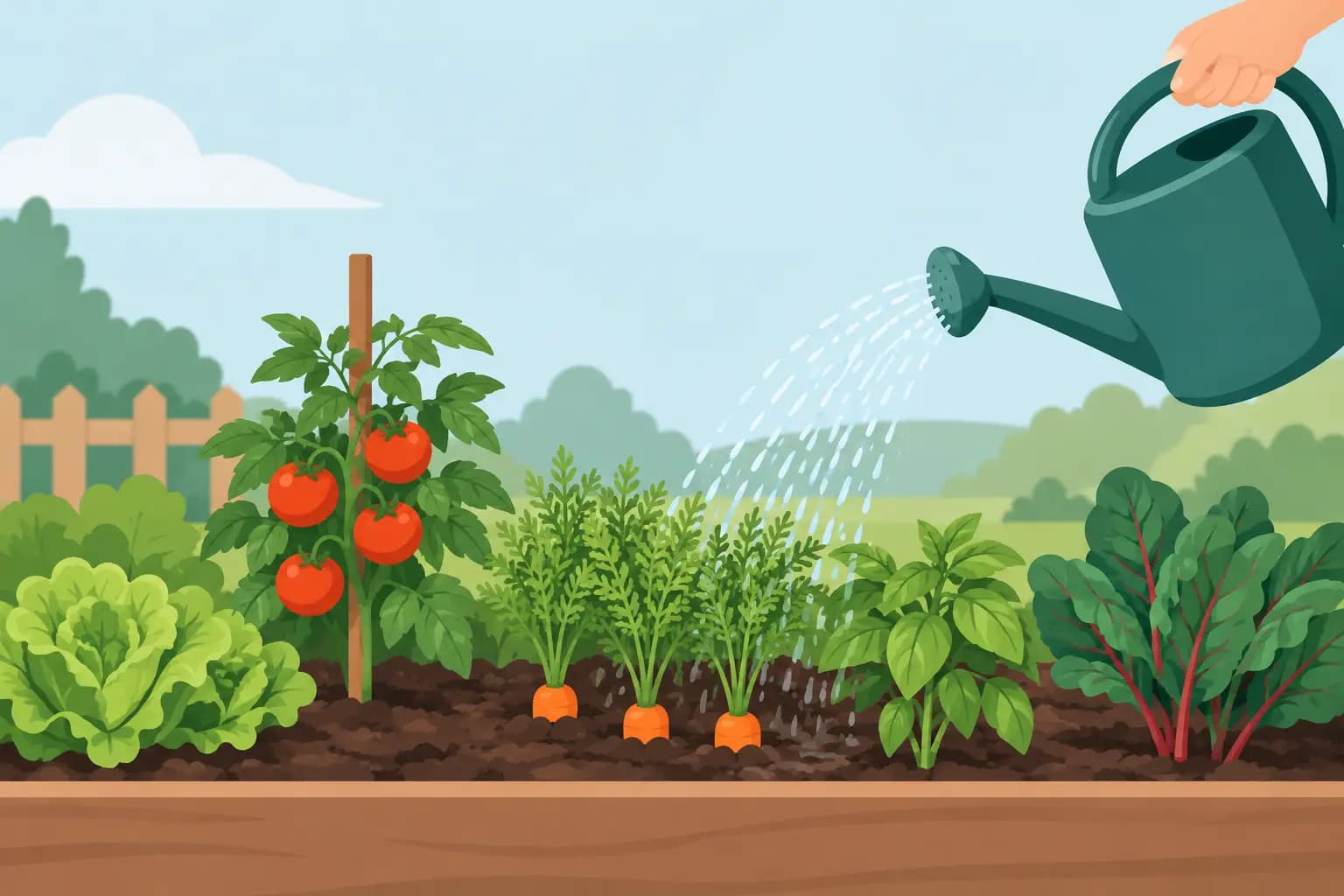
A tomato plant can look thirsty at 4 p.m. on a 94-degree day and look perfectly fine again by breakfast. That does not always mean it needed water. When people ask how often to water a vegetable garden, the useful answer is not a calendar number. It is a quick decision based on the soil where the roots are, the week’s weather, and what each crop is trying to do.
For most established vegetable beds, plan on about 1 to 1.5 inches of water per week from rain and irrigation combined. In a hot, dry stretch, that may become two deep waterings per week. In cool, cloudy weather, it may be none. The goal is steady moisture in the root zone, not a daily ritual that keeps the soil surface dark.
How Often to Water a Vegetable Garden by Checking the Soil
Before turning on a hose, push a finger or trowel 2 to 3 inches into the bed. If the soil there feels cool and holds together slightly, wait. If it feels dry, dusty, or loose at that depth, water deeply.
This simple check beats a fixed schedule because rain totals can mislead you. A brief thunderstorm may wet the mulch and leave the root zone dry. A slow overnight rain can do the week’s watering for you. Soil type changes the answer, too. Sandy beds drain quickly and need water more often. Clay holds moisture longer but can become waterlogged if you keep adding more.
Newly sown seeds and young transplants are the exception. Their roots live close to the surface, where soil dries first. Check them daily during warm weather. Keep the top inch consistently moist until seeds germinate or transplants begin making new growth. That may mean a light watering every day or two, especially in containers, raised beds, or windy locations.
Once plants are established, shift from frequent light watering to deeper watering. You are encouraging roots to grow down into cooler, more dependable soil. A shallow daily sprinkle trains plants to depend on the surface, which is exactly where summer heat does the most damage.
A Practical Watering Rhythm for Common Garden Conditions
A garden does not need the same amount of water every week. Use these conditions as a starting point, then let the soil check make the final call.
During mild spring weather
Established beds often need water once a week or less, particularly when rain is regular. Cool-season crops such as lettuce, kale, peas, broccoli, and radishes still grow best with even moisture, but wet soil is not a favor. Let the upper few inches begin to dry before watering again.
Pay special attention after a cold, rainy period. Plants use less water in cool temperatures, and heavy soil may stay saturated longer than it appears. If leaves yellow and growth stalls while the bed is constantly wet, more irrigation is likely part of the problem.
During summer heat
Expect to check the garden every day, but do not assume every check ends with watering. In sustained heat above 90 degrees, established vegetables commonly need a deep soak two times per week. Raised beds, sandy soil, and exposed sites may need water every other day.
Water early in the morning when possible. The soil can recharge before the hottest part of the day, and foliage has time to dry. Evening watering is still better than letting plants stay stressed overnight, but avoid routinely wetting leaves late in the day. Damp foliage and poor air movement create friendlier conditions for fungal disease.
Midday wilt is a signal to investigate, not an automatic order to irrigate. Squash, cucumbers, and tomatoes may droop in intense sun while their soil remains adequately moist. Check again near sunset. If they recover, hold off. If they remain wilted and the soil is dry below the surface, water thoroughly.
After rainfall
Do not reset your watering plan just because rain appeared in the forecast. Check how much fell and how it fell. Less than a quarter inch usually does little for an established bed, especially beneath a dense tomato canopy. A slow half-inch rain may be enough for several days. One inch or more can replace a full watering, unless runoff carried much of it away.
If your soil crusts, slopes sharply, or sits under thick foliage, dig down after rain. That fifteen-second check prevents both needless watering and the false confidence that sends plants into a dry spell unprepared.
Give Different Crops the Moisture They Need
Not every vegetable is equally forgiving. Leafy greens need reliably moist soil to stay tender and avoid bolting quickly. Root crops such as carrots, beets, and radishes need even moisture while roots form. Big swings between dry and wet can lead to tough roots or splitting.
Tomatoes, peppers, eggplants, beans, squash, cucumbers, and melons benefit from deep, consistent watering, especially when flowering and setting fruit. Inconsistent moisture is one contributor to blossom-end rot in tomatoes and peppers, cracked tomatoes, and bitter cucumbers. Watering cannot solve every fruit problem, but steady soil moisture helps plants use available calcium and nutrients properly.
Garlic, onions, and potatoes need a different adjustment near harvest. Keep them evenly watered while bulbs or tubers are sizing up, then reduce irrigation as harvest approaches and foliage begins to mature. Constant wetness late in the season can complicate curing and storage.
Containers are their own category. They dry far faster than in-ground beds because roots are surrounded by a limited volume of growing mix. In summer, a productive container tomato or pepper may need water daily, sometimes twice on extremely hot, windy days. Water until it drains from the bottom, then empty any saucer so roots do not sit in standing water.
Water Deeply, Not Just Often
A deep watering means moisture reaches the active root zone. For many vegetables, that is 6 to 8 inches deep, though mature tomatoes and squash may root farther down. Run a hose slowly at the base of plants, use drip irrigation, or set a soaker hose beneath mulch. These methods put water in the soil instead of throwing much of it into the air or onto leaves.
If you use a sprinkler, run it long enough to soak the root zone and do it early. A rain gauge or straight-sided container can help you learn how long your system takes to deliver an inch of water. Once you know that number, watering becomes a measured task rather than a guessing game.
Mulch makes this work easier. A 2- to 3-inch layer of clean straw, shredded leaves, or untreated grass clippings slows evaporation, cools the soil, and softens the gap between waterings. Keep mulch a couple inches away from plant stems so it does not hold constant moisture against them.
Signs You Are Watering Too Much or Too Little
Underwatered plants may wilt in the morning, grow slowly, drop flowers, or develop dry, brittle leaf edges. The soil will feel dry where roots are growing. Fruit can stay undersized, and leafy crops may turn bitter sooner than expected.
Overwatered plants often look surprisingly similar at first: drooping leaves, yellowing lower foliage, and stalled growth. The difference is beneath the surface. If soil is soggy, smells sour, or clings heavily to your fingers days after rain or irrigation, stop adding water and improve drainage if needed. More water is not the cure for a wilted plant with oxygen-starved roots.
Keep a brief record when conditions become confusing. Note rainfall, irrigation, heat, and what you saw in each bed. A weather-aware plan, such as the one Tomatograph builds around your garden and crop stages, can reduce that mental bookkeeping. But the soil check remains the final authority.
Tonight, pick one bed that has been hardest to judge. Check the soil below the surface, adjust one watering decision, and add mulch if bare ground is losing moisture too fast. A calm routine like that will do more for your harvest than chasing a perfect schedule.