When Should Seedlings Go Outside? Get the Timing Right
7 min read
A tray of sturdy seedlings can make the garden feel behind schedule before it is. But the answer to when should seedlings go outside is rarely “as soon as the calendar says spring.” One cold night, wet bed, or abrupt afternoon of full sun can set plants back for weeks. The useful question is: are these particular seedlings ready for the conditions in this particular garden?
For most home gardens, the decision comes down to four checks: the crop’s cold tolerance, the local forecast, soil temperature, and whether seedlings have been hardened off. Check those in that order, and you can make a calm call instead of guessing between work and dinner.
When should seedlings go outside? Start with the crop
Seedlings do not all leave the house or greenhouse on the same day. Cool-season crops tolerate chilly weather and often grow better before real heat arrives. Warm-season crops need warmth above and below ground. Treating them alike is how basil turns black after one 42°F night while kale carries on without complaint.
Cool-season seedlings can usually go out two to four weeks before your average last spring frost, provided the ground is workable and the forecast is not calling for a hard freeze. This group includes broccoli, cabbage, cauliflower, kale, lettuce, spinach, onions, peas, and many hardy herbs such as parsley and cilantro.
Warm-season seedlings generally wait until after the average last frost date, with a little extra caution for tender crops. Tomatoes, peppers, eggplant, basil, cucumbers, squash, melons, and beans do not benefit from being rushed. They may survive a cold spell under cover, but survival is not the same as good growth.
A useful rule for the beds: plant cold-tolerant crops when nights are mostly staying above 35°F to 40°F. Hold tomatoes and peppers until nights are reliably above 50°F. Wait for basil, cucumbers, and melons until nights are closer to 55°F and the weather has settled.
Treat the last frost date as a planning line, not a promise
Your average last frost date is a starting point based on historical weather. It does not tell you what will happen in your yard next Tuesday. Low pockets, exposed beds, and gardens near open fields can be several degrees colder than the forecast for the nearest town.
Before transplanting, look at the next seven to ten days rather than a single pleasant afternoon. A forecast with daytime highs near 70°F can still include a 34°F overnight low, cold rain, or high winds that stress a young plant.
For cool-season plants, a brief light frost may be manageable, especially if seedlings are established and covered. For warm-season plants, delay if the forecast shows temperatures below their comfort range. Waiting five days is often better than planting twice.
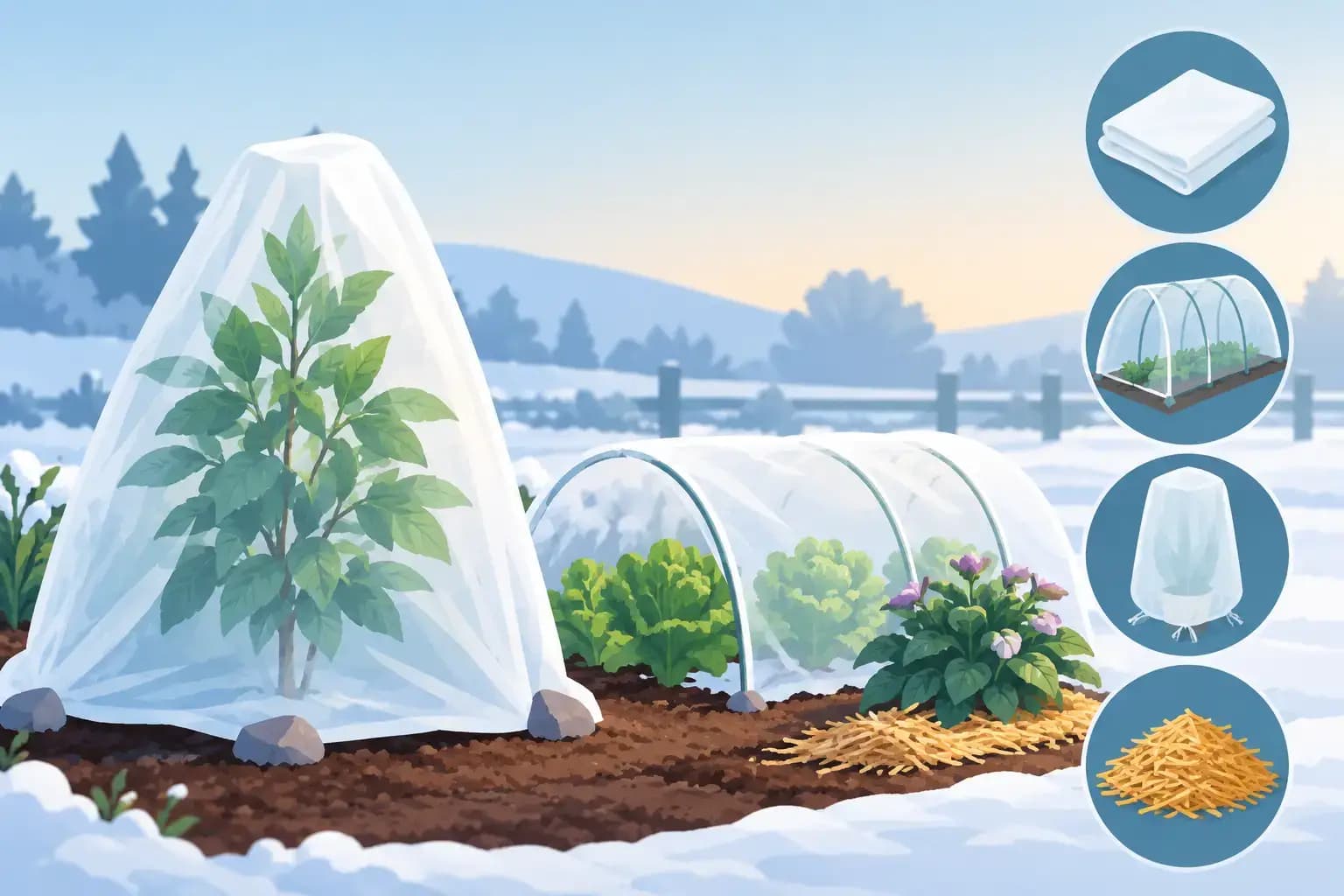
If a late frost is coming after you have planted, cover tender seedlings before sunset. Use a frost cloth, sheets, or lightweight row cover held above the foliage where possible. Secure the edges so warmer ground air stays underneath. Plastic should not rest directly on leaves, and it should come off or be vented once the morning warms.
Soil temperature matters as much as air temperature
A sunny forecast can fool you. Soil warms more slowly than air, especially after rain, in raised beds filled with cool compost, or in gardens shaded through part of the day.
For cool-season crops, soil around 45°F to 50°F is generally workable. They may not grow quickly at first, but their roots can begin settling in. For tomatoes, peppers, and eggplant, aim for soil consistently near 60°F or warmer. Cucumbers, squash, melons, and beans are happier when soil reaches roughly 65°F to 70°F.
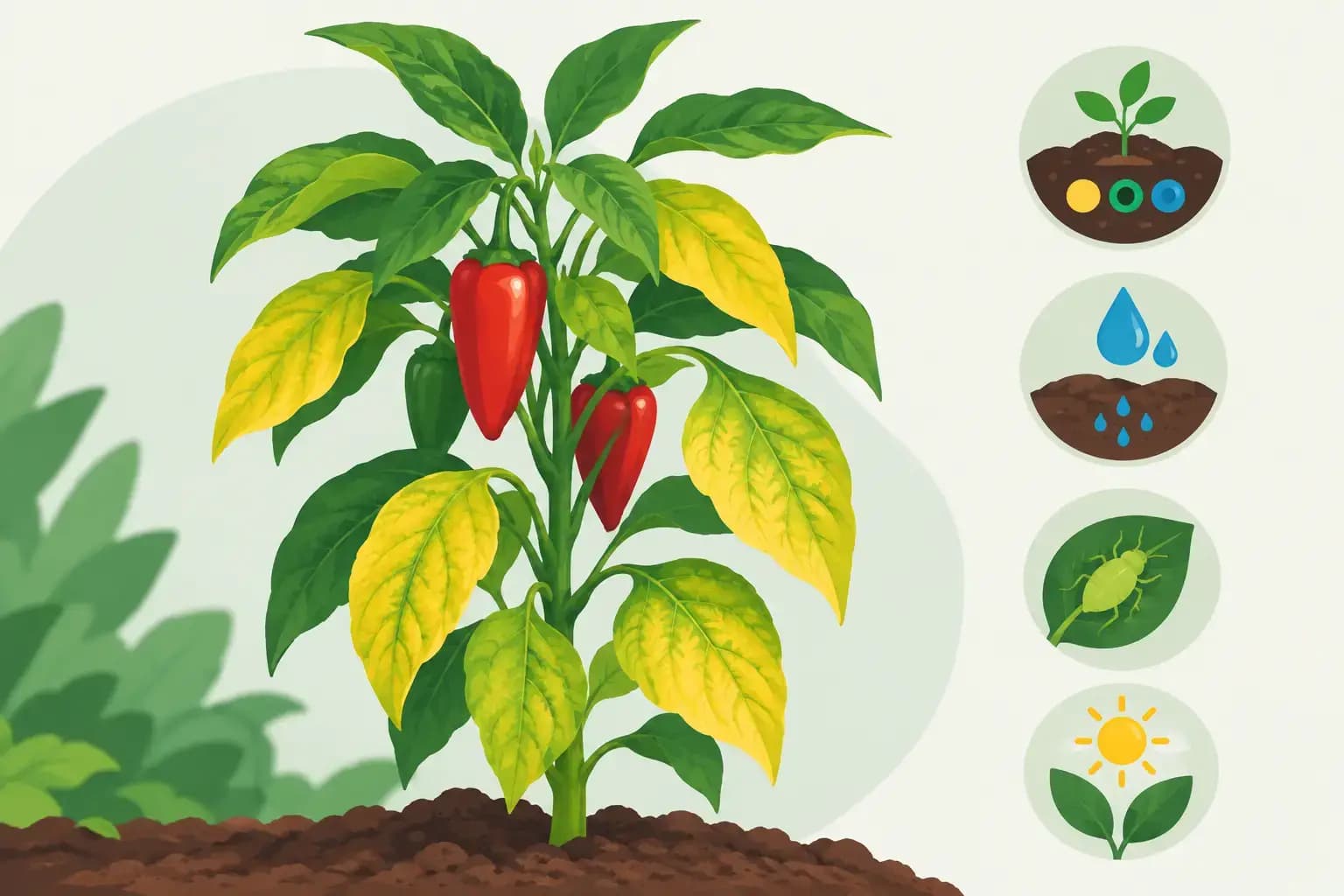
A simple soil thermometer removes a lot of uncertainty. Take the reading at planting depth in the morning for several days, not just once after a warm afternoon. If the soil is cold and saturated, even a healthy transplant can stall, yellow, or develop root problems.
Raised beds usually warm sooner than in-ground beds. Black plastic or landscape fabric can warm a planting area, but use it thoughtfully around irrigation and soil health. A cloche, low tunnel, or unheated greenhouse can buy a few weeks for hardy crops and protect tender ones during a short cold snap. It cannot make a heat-loving plant thrive in cold soil.
Harden seedlings off before planting day
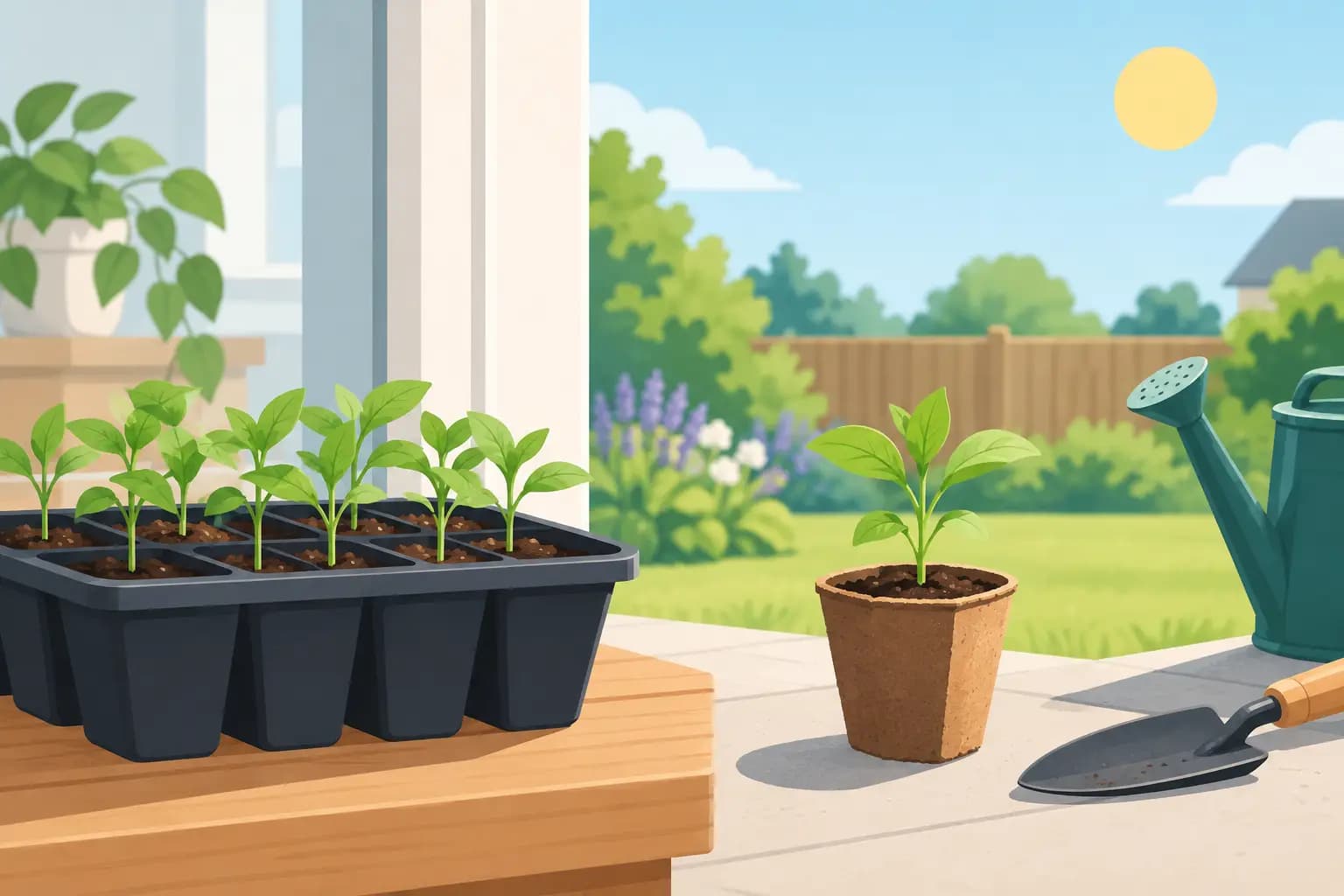
Indoor-grown seedlings have not experienced direct sun, wind, temperature swings, or the changing humidity outdoors. Hardening off is the short adjustment period that helps them build tougher leaf tissue and avoid shock.
Plan on seven days, or ten if conditions are unpredictable. On day one, put seedlings outside in bright shade for an hour or two, protected from wind. Bring them back in before the strongest afternoon sun.
Over the next several days, gradually increase outdoor time and introduce gentle morning sun. By the middle of the week, most plants can handle several hours outside. Toward the end, leave them out through a full day and, if overnight temperatures are suitable for that crop, one night.
Do not harden off during a wind event, a cold downpour, or a sudden heat wave. If leaves bleach, wilt badly, or develop crisp edges, step back to shade for a day. The goal is gradual exposure, not a test of endurance.
Seedlings started in an unheated greenhouse, cold frame, or protected porch may need less adjustment than those grown under lights in a climate-controlled room. They still need a transition to full sun and garden wind.
Use the seedling itself as a readiness check
A seedling can be old enough by the packet date and still not be ready to transplant. Look for a compact plant with several true leaves, a sturdy stem, and roots that hold the potting mix together without circling densely around the container.
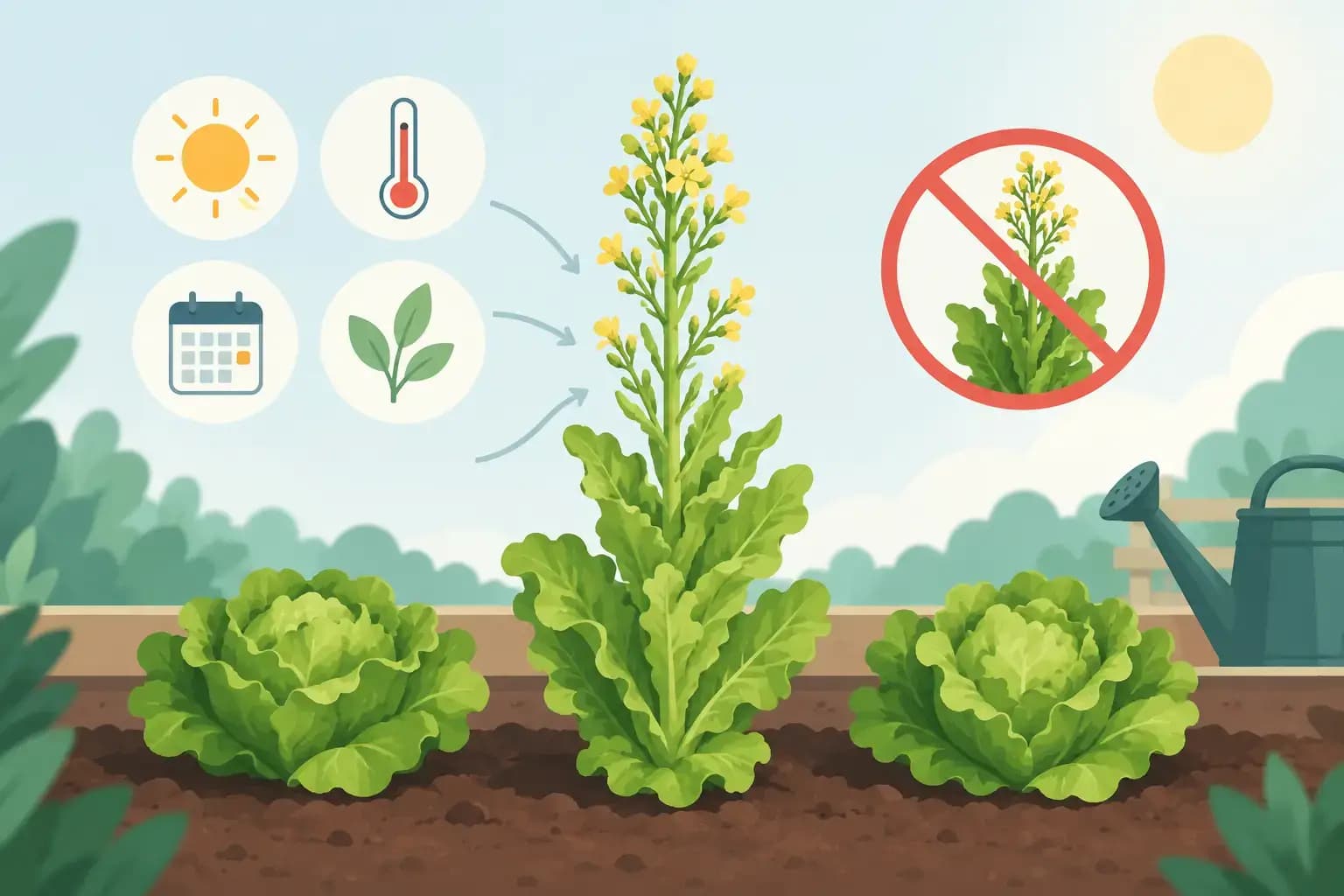
Avoid planting seedlings that are flowering heavily, pale from low light, leggy, severely root-bound, or water-stressed. A tomato with a few flowers is not a crisis, but an oversized, tangled plant often needs gentler handling and may take longer to recover.
Water seedlings a few hours before transplanting so the root ball stays intact. Plant in late afternoon or on an overcast day when possible. That gives roots a cooler, lower-stress window to settle before the next bright day.
Set most seedlings at the same depth they grew in their pot. Tomatoes are the familiar exception: they can be planted deeper, with lower leaves removed, because roots can form along the buried stem. Water the planting hole and then water again after backfilling. For the first week, check moisture daily, especially in containers and raised beds.
A practical decision for the week ahead
If your last frost date is approaching, do not try to move every tray outside at once. Start with cool-season seedlings that are hardened off and have a reasonable forecast ahead. Keep tender crops growing in their pots while you watch nighttime lows and soil temperatures.
For example, if Thursday night is forecast at 37°F, broccoli and lettuce can often go into a prepared bed with row cover available. Tomatoes can spend the day outside to continue hardening off, then come back into protection overnight. Basil stays inside. That is not overthinking the garden. It is fifteen quiet minutes that prevent a frustrating reset.
Keep a note of what you planted, where it went, and whether it was covered. Weather-aware garden planning tools such as Tomatograph can turn those details, local frost risk, and crop stage into a short list of actions, rather than another set of care sheets to sort through.
When waiting is the better gardening move
There is a point where pot-bound seedlings need more room, but a short delay is usually less harmful than planting into hostile conditions. If warm-season plants must wait, move them into slightly larger containers, give them adequate light, and avoid heavy fertilizer that creates weak, fast growth.
The exception is a long stretch of poor weather combined with severely root-bound plants. In that case, plant into the warmest protected spot you have, use a low tunnel or frost cloth, and be ready to cover at night. This is a trade-off, not a perfect answer. A sheltered south-facing bed behaves differently from an exposed backyard plot.
Watch the garden after planting, not just before it. New transplants may need shade cloth during an unexpected hot spell, extra water during wind, or protection from a late cold front. The right day gets them started. A few attentive checks help them take hold.
The best transplanting schedule is not the one printed on a seed packet. It is the one that matches your crop, your soil, and the weather already moving toward your yard. Give seedlings a gradual start, and they will spend less energy recovering and more energy making food.