Preventing Transplant Shock in Your Garden
7 min read
A tomato plant can look perfectly healthy at 6 p.m. and limp by breakfast after moving into the garden. That does not always mean it needs more water. It usually means the plant’s roots, leaves, and growing conditions changed faster than it could adjust. Preventing transplant shock is mostly about slowing that transition down - and giving the plant the right kind of help at the right moment.
For a busy gardener, this is good news. You do not need a complicated recovery program or a shelf full of products. You need to check the weather, prepare the planting spot, handle roots gently, and protect young plants during their first few days outside.
What transplant shock actually looks like
Transplant shock is stress caused by disruption. A seedling leaves the protected conditions of a nursery tray, greenhouse, or store shelf and enters brighter sun, moving air, cooler nights, variable soil moisture, and sometimes a different soil temperature.
Some drooping right after planting is normal, especially on a warm or windy day. Leaves may temporarily lose more water than damaged or disturbed roots can replace. A plant that perks up by evening or the next morning is usually adjusting.
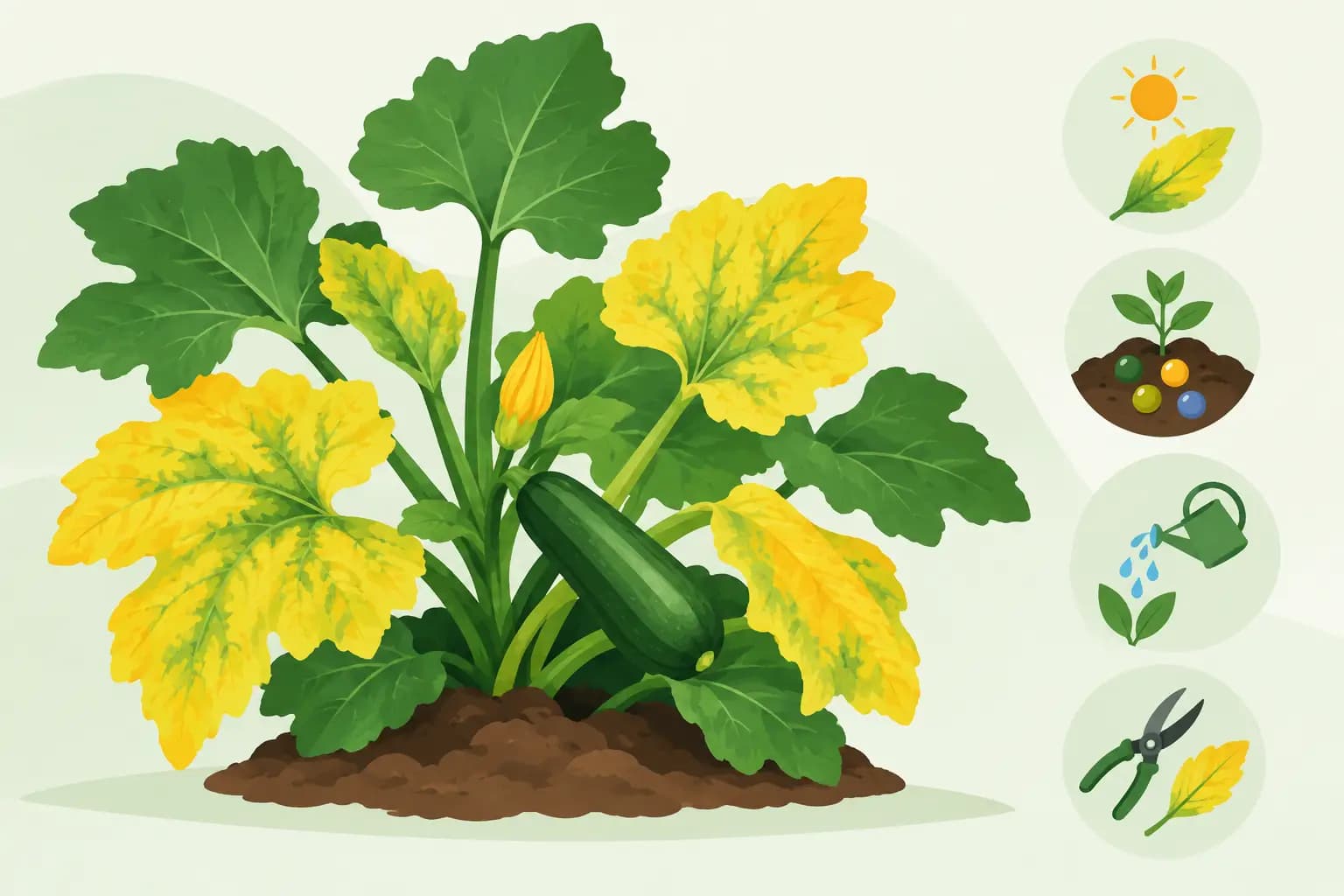
Pay closer attention when wilting worsens for several days, leaves become pale or scorched, growth stops, or the stem collapses at soil level. Those symptoms can also point to cold damage, dry soil, saturated soil, root rot, or a pest problem. The right response depends on what changed recently. More water is not automatically the answer.
Preventing transplant shock starts before planting day
The easiest transplant is one that goes into a ready bed during a forgiving stretch of weather. If possible, avoid planting just before a heat wave, a hard rain, high winds, or a late cold snap. A cloudy morning, calm afternoon, or mild evening gives roots a quieter start.
Check the forecast for the next three to five days, not just the temperature at planting time. Basil, peppers, eggplant, and other warm-season crops can stall when nights are too cool, even if daytime weather feels pleasant. Cool-season crops such as lettuce, broccoli, kale, and onions tolerate lower temperatures better, but they can still struggle if they move directly from a sheltered indoor setup into harsh sun.
Harden off seedlings gradually
Seedlings started indoors or grown under lights need a short introduction to outdoor conditions. This process, called hardening off, toughens leaf tissue and helps plants regulate water loss.
Start with an hour or two in bright shade on a mild day. Over about seven to 10 days, increase their time outside and introduce gentle morning sun. Bring tender plants in or cover them if cold nights are expected. If your schedule is tight, even three to five careful days are far better than moving plants from a windowsill into full afternoon sun without warning.
Nursery plants may need this too. A plant displayed outdoors is not necessarily acclimated to your yard’s wind, sun angle, reflected heat, and overnight lows.
Prepare the soil, not just the hole
A deep, narrow hole can encourage roots to stay bunched in the original plug. Instead, loosen the planting area broadly enough for roots to move outward. Remove weeds, break up major clods, and work in finished compost if your soil is low in organic matter.
Do not turn every planting hole into a pocket of rich potting mix. Roots may stay in that easy pocket rather than growing into the surrounding soil. Improve the bed as a whole when you can, then plant into soil with a consistent texture.
Water the bed a few hours before planting if it is dry. You want evenly moist soil that holds together lightly in your hand, not mud. Planting into dust makes it difficult to remove air pockets around roots. Planting into saturated soil can compact it further and deprive roots of oxygen.
How to transplant with less root stress
Water seedlings in their containers before you start. A hydrated root ball slides out more easily and is less likely to crumble apart. Then set out your plants, labels, mulch, and water source before removing the first one from its pot. Roots should not sit exposed while you search for a trowel.
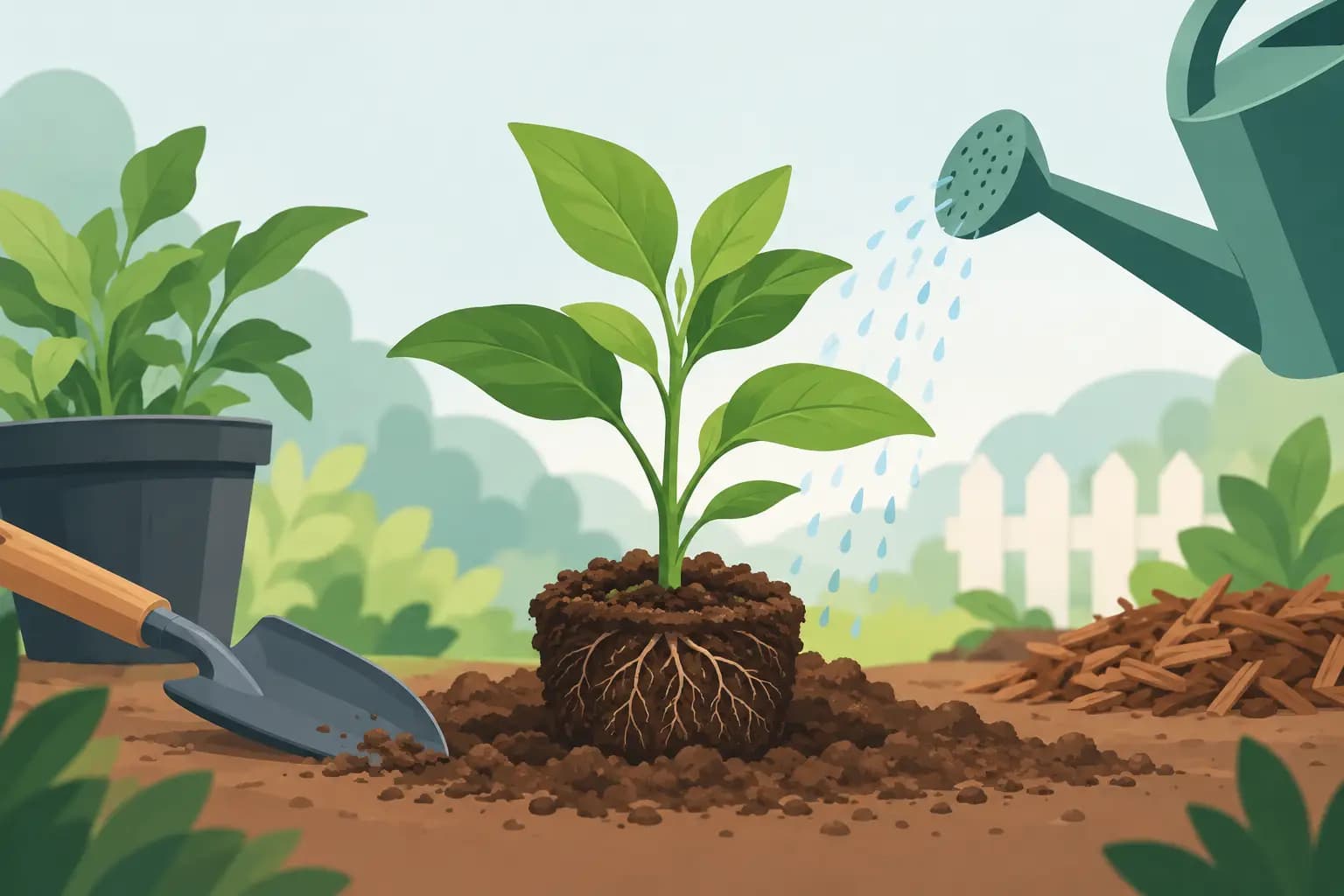
Hold plants by the root ball or leaves, not the stem. A bruised stem can set back a seedling more than a few damaged roots. Ease the plant out of its container and inspect the roots. If they are circling densely around the pot, gently loosen the outer layer with your fingers. For severely root-bound starts, make two or three shallow vertical cuts along the outside of the root mass. This gives roots a reason to grow outward.
Set the plant at the same depth it grew in the container, with one major exception: tomatoes can be planted deeper because they form additional roots along buried stems. Keep the crown of lettuce, strawberries, peppers, and most herbs above the soil line. Burying a crown can invite rot.
Firm soil around the roots with your hands, then water slowly and thoroughly. The goal is to settle soil into contact with the roots, not to create a puddle that lingers for hours. A light mulch layer after planting helps keep moisture and soil temperature steadier, but leave a small gap around the stem so it stays dry.
The first 72 hours matter most
New transplants need stable moisture, temporary protection when conditions are harsh, and restraint from the gardener. Check soil moisture daily for the first few days by pressing a finger an inch or two below the surface near the root zone. If it is dry at that depth, water slowly. If it is still moist, wait.
A little afternoon wilt during hot weather is not a reason to soak the bed immediately. Check again in the evening. If the plant recovers as temperatures fall and the soil remains moist, it is managing normal heat stress. If it stays limp overnight, it needs closer attention.
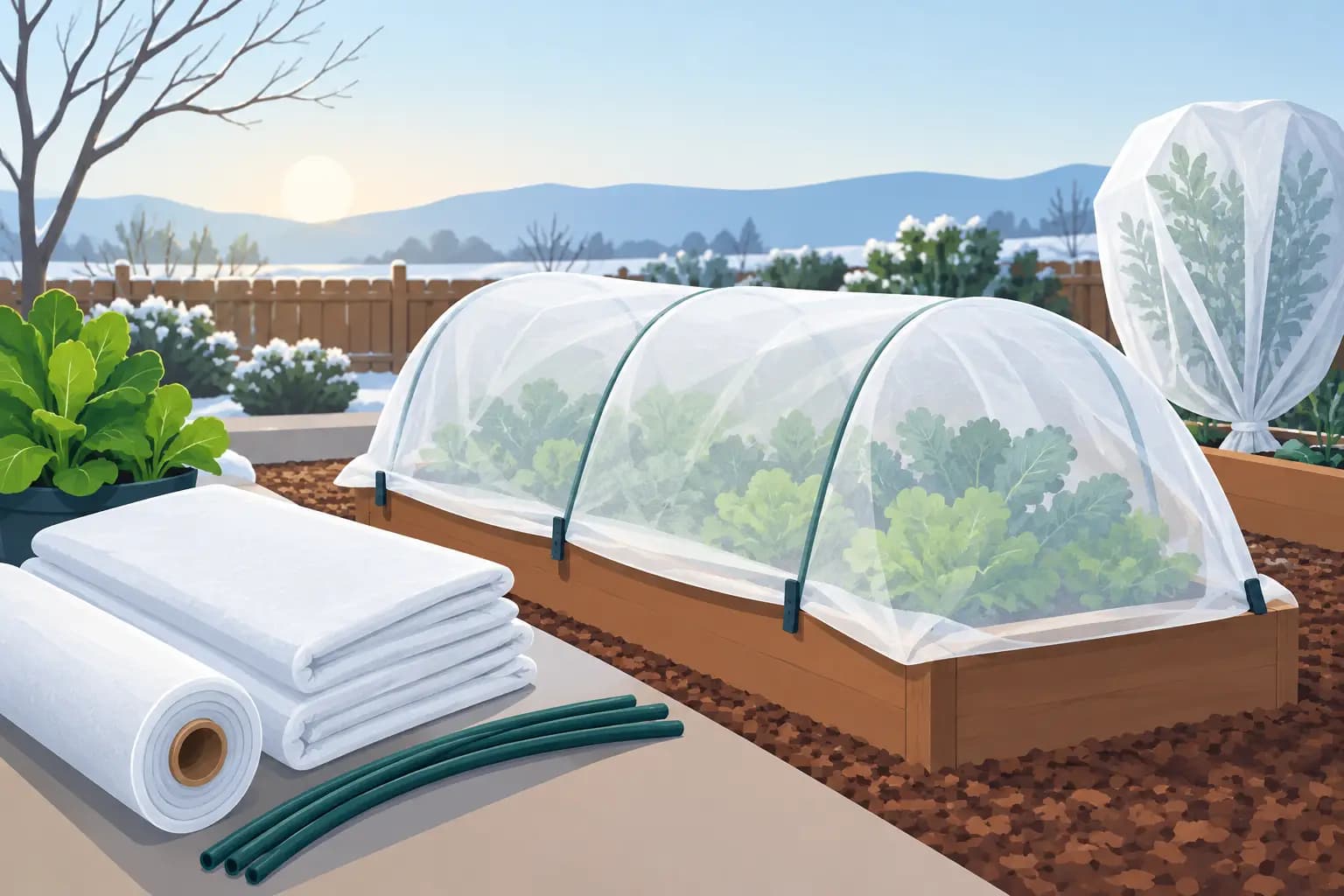
For tender seedlings facing bright sun, wind, or unexpected cold, simple protection can make a real difference. Use shade cloth, an overturned crate, a row cover, or a cloche for a short period. Remove or vent coverings during warm days so plants do not overheat. Protection should reduce stress, not create a humid, overheated box.
Skip fertilizer for the first week unless the plant was clearly underfed and you are using a mild, appropriate product. Freshly transplanted roots are not ready to make full use of a heavy feeding, and excess fertilizer can burn roots or push weak, leafy growth. Let the plant reestablish first.
Match the method to the crop
Not every edible plant handles transplanting the same way. Tomatoes, peppers, brassicas, lettuce, basil, and many herbs generally transplant well when weather and moisture are managed. Cucumbers, squash, melons, beans, carrots, and peas are less forgiving because they dislike root disturbance or establish quickly from seed.
For cucurbits, use young plants in biodegradable pots or transplant them before roots begin circling. Handle the root ball as little as possible. For direct-seeded crops like carrots and beans, sowing in place is often the calmer choice. The best way to prevent shock is sometimes not to transplant at all.
Herbs also vary. Basil wants warm soil and protection from chilly nights. Parsley tolerates cool weather but has a long taproot, so plant it carefully. Rosemary and lavender need excellent drainage and can suffer if their crowns stay wet. Treating every herb like a tomato is a common shortcut that creates avoidable problems.
When a transplant is struggling
Start with three checks: soil moisture, overnight temperature, and exposure. If the soil is dry, water deeply at the base. If it is wet and the plant is wilted, do not add more water. Improve drainage if possible and give the root zone time to breathe.
If a cold night hit warm-season crops, cover them before the next one and wait to assess new growth. Blackened, water-soaked leaves will not recover, but a living stem may produce fresh leaves once weather improves. If sun scorch appeared after planting, provide temporary afternoon shade rather than moving the plant again.
Avoid the urge to repot, fertilize heavily, prune aggressively, and water repeatedly all in one afternoon. Each intervention adds another variable. Make one practical correction, then give the plant a day or two to respond.
A weather-aware garden plan is especially useful during transplant season because conditions can change between your workday and dinner. Tomatograph can help turn that moving forecast into a short decision: plant tonight, wait until Saturday, water the new peppers, or cover the basil before the temperature drops.
The best transplanting routine leaves room for real life. Prepare the bed when you have time, plant during a mild window, and spend five quiet minutes checking new plants for the next few evenings. That small rhythm gives roots the chance to settle in, and gives you a garden that needs less rescuing later.