When Should I Mulch Beds for Healthier Soil?
6 min read
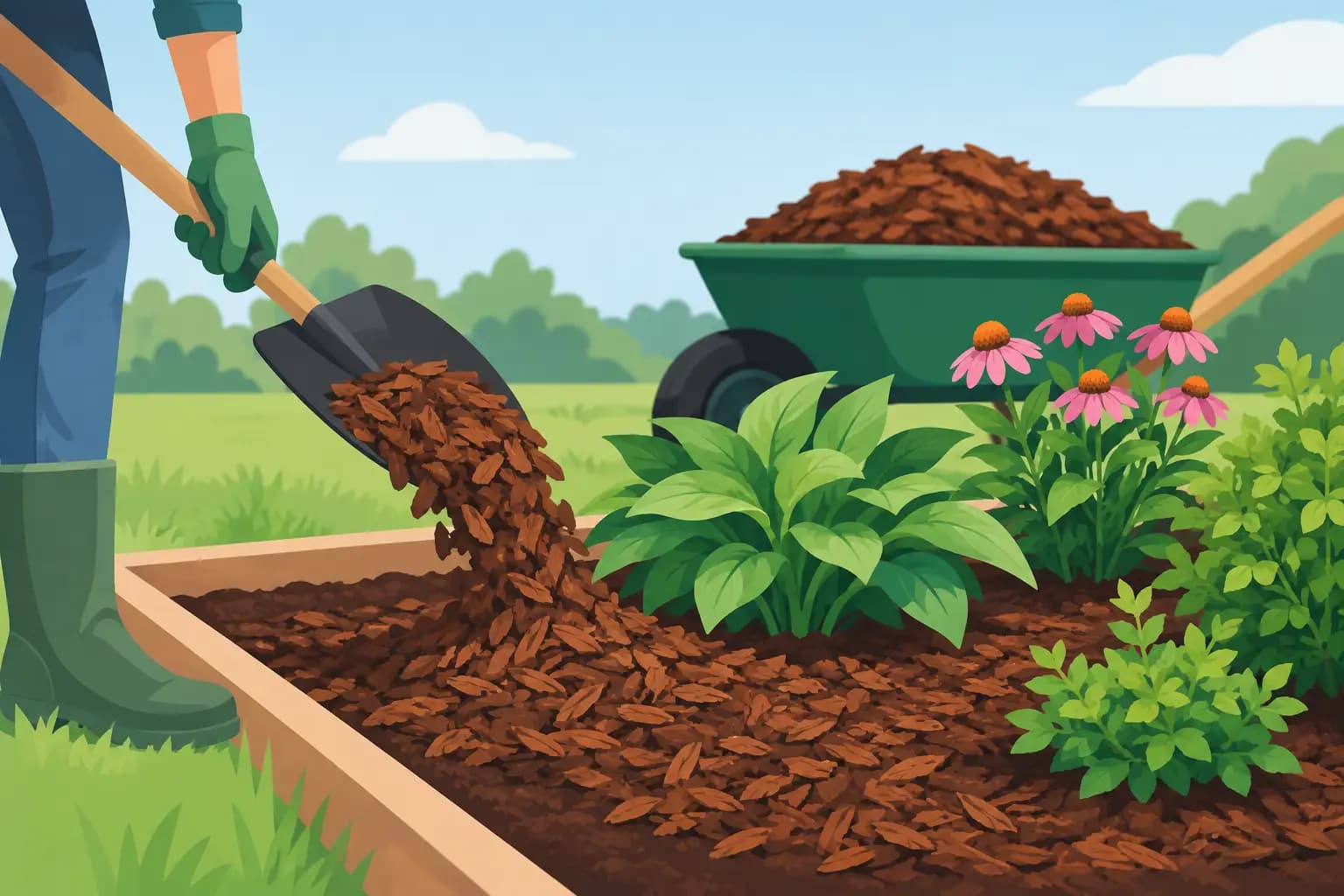
A bare vegetable bed can go from comfortably moist to dusty in a few hot afternoons. A freshly mulched bed can stay too cool for slow-germinating seeds if you spread it at the wrong time. So, when should I mulch beds? The useful answer is not a date on the calendar. Mulch when it supports the job your bed needs done now: warming soil, suppressing weeds, holding moisture, protecting roots, or insulating plants for winter.
For most established vegetable, herb, and flower beds, the main mulching window begins after the soil has warmed and plants are up. Then refresh it when heat, heavy rain, decomposition, or hand-weeding reveals bare ground. Fifteen quiet minutes spent on the right bed at the right time can save hours of watering and weeding later.
When should I mulch beds in spring?
In spring, wait until the soil has begun to warm before applying a thick layer of organic mulch around warm-season crops. Tomatoes, peppers, basil, cucumbers, squash, and beans grow best when their roots are not held in cold, soggy soil. A heavy layer of straw, shredded leaves, or wood chips too early in the season can shade the ground and delay that warm-up.
For much of the US, that means mulching warm-season beds after seedlings are planted and have settled in, usually once nighttime temperatures are reliably mild. You do not need to wait for summer heat. You do need to avoid insulating cold soil just because the calendar says it is spring.
Cool-season crops are different. Lettuce, kale, broccoli, peas, carrots, and radishes often appreciate mulch earlier, especially when spring weather turns windy or dry. A light layer helps preserve moisture and keeps rain from splashing soil onto low leaves. Leave a clear strip over newly seeded rows until seedlings emerge. Mulch can block light and make it harder for tiny sprouts to push through.
If weeds are already popping up, weed first. Mulch is excellent at preventing many new weeds from germinating, but it does not erase established weeds. Pull or cut them at the surface, water the bed deeply if it is dry, then mulch over moist soil.
A simple spring rule
Mulch transplants once they are established. Mulch direct-seeded crops after germination. Hold off on a thick organic layer where you are still trying to warm the soil for heat-loving plants.
Black landscape fabric and black plastic work differently from straw or leaves. They can warm soil, which makes them useful for tomatoes, peppers, melons, and early plantings in cool springs. The trade-off is less natural soil improvement, more cleanup, and the need to manage irrigation beneath the covering. Organic mulch feeds soil life as it breaks down, but usually keeps the soil cooler.
Mulch before summer heat, not after the bed is stressed
The best time to add or refresh mulch is often just before a hot, dry stretch, not after plants are already wilted. Watch the forecast. If several days in the 80s or 90s are coming, spread mulch while the soil still contains moisture. A 2- to 3-inch layer of clean straw, chopped leaves, or untreated grass clippings can dramatically slow evaporation.
This matters most in raised beds and containers, which lose moisture faster than in-ground gardens. It also matters around shallow-rooted crops such as lettuce, cucumbers, beans, and many herbs. Tomatoes benefit too, particularly because even soil moisture helps reduce stress that can contribute to problems such as blossom-end rot.
Do not pile mulch against stems. Keep a small ring of open space around each plant, usually an inch or two. Constant moisture against stems can invite rot, shelter slugs, and make it easier for disease to move from soil to plant. The goal is to cover soil, not bury the base of the crop.
If you use grass clippings, apply them in thin layers and let each layer dry before adding more. Thick, wet clippings can mat into a slick barrier that sheds water rather than absorbing it. Use only clippings from lawns that have not recently been treated with herbicides or weed-and-feed products.
When should I mulch beds after rain?
A soaking rain is often an ideal mulch cue. The soil has been watered deeply for free, weeds are easier to remove, and a mulch layer can hold that moisture in place. Wait until the bed is no longer muddy enough to compact underfoot. Then pull weeds, loosen only the surface if needed, and spread mulch.
Avoid working wet soil aggressively. If a handful of soil forms a sticky ball that will not crumble, leave it alone for a day or two. Compaction caused by walking or digging in saturated beds can last longer than the benefit of finishing the task immediately.
After a pounding storm, check mulch before simply adding more. Straw may have blown into plant crowns. Leaves may have formed a mat. Wood chips may have washed into paths. Put the mulch back where it belongs, open space around stems, and make sure water can still reach the soil.
Mulching beds in fall and winter
Fall mulch serves two different purposes, and mixing them up causes trouble. One purpose is covering bare soil after summer crops are finished. The other is insulating plants through winter. Both are useful, but timing depends on what is growing in the bed.
After clearing spent tomatoes, beans, or squash, add a layer of leaves, straw, or compost to protect bare soil from hard rain, erosion, and winter weeds. If you plan to plant early spring crops, use a layer that is easy to rake aside when the soil needs to warm. Chopped leaves are often easier to manage than thick, tangled straw.
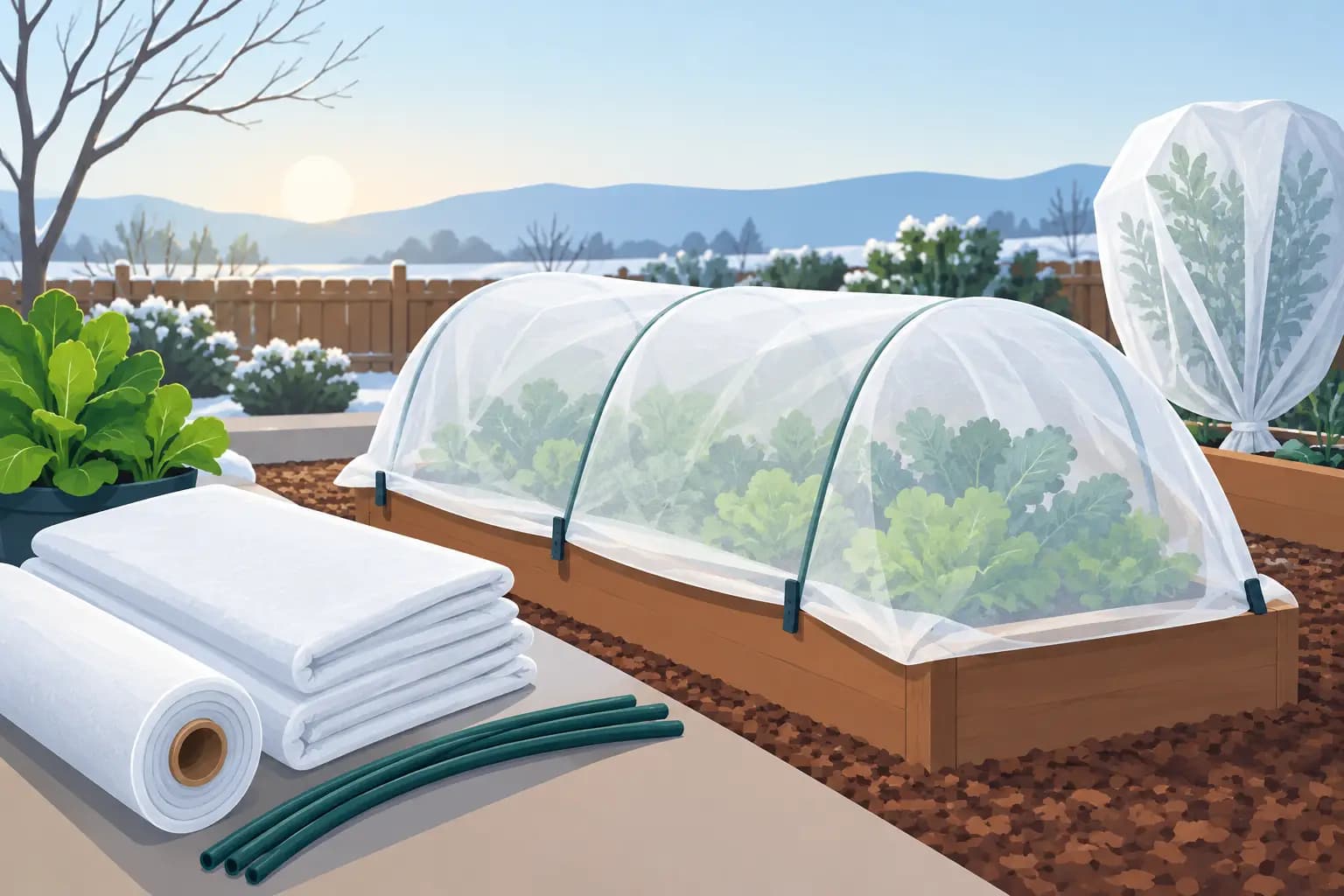
For garlic, asparagus, strawberries, and some perennial herbs, winter mulch protects roots and reduces repeated freezing and thawing. In colder areas, wait until the ground is consistently cold or lightly frozen before applying a deeper insulating layer. Putting winter mulch down too early can keep the soil warm enough for unwanted growth or create a cozy habitat for rodents.
Strawberry crowns need particular care. Cover them after they have gone dormant, then remove or pull back the mulch gradually in spring as growth resumes. Garlic mulch can stay in place longer because shoots will usually push through it, but pull back any heavy clumps that trap moisture around emerging stems.
Choose mulch for the bed, not the label
There is no single best mulch for every garden. Straw is light, easy to move, and useful around vegetables, but it can carry weed seeds if it is poor quality. Shredded leaves are free and excellent for soil, though whole leaves can mat. Compost enriches the surface but disappears quickly and may not suppress weeds as long as coarse mulch. Wood chips are outstanding for paths and around perennial shrubs, but are less convenient in annual vegetable rows where you dig and replant often.
Use what you can manage. A mulch that is locally available, clean, and easy to replenish is usually better than a perfect-sounding material that never makes it out of the bag.
Keep these four checks in your routine
- Is soil visible between plants or in the paths?
- Is a heat wave, dry spell, or heavy rain forecast?
- Are seedlings emerged and strong enough to avoid being covered?
- Is mulch touching stems, crowded into crowns, or harboring slugs?
Those checks tell you more than a fixed mulching date. They also prevent a common mistake: treating mulch as a one-time project. Organic material breaks down, shifts in wind and rain, and gets moved aside during harvest. A quick inspection during your weekly garden walk is enough to catch the problem before soil dries out or weeds take over.
The right timing is tied to the job
If your tomatoes are planted, the soil is warm, and a dry week is coming, mulch tonight. If carrots were seeded yesterday, wait until their fine green rows appear. If frost is approaching and your garlic bed is entering dormancy, prepare a deeper insulating layer once cold has settled in. The bed will tell you what it needs when you look at the soil, the crop stage, and the weather together.
Mulch is not decoration around the garden. It is a small, practical buffer between your plants and the next stretch of weather. Put it down with a reason, and your beds will ask less of you when the week gets busy.