Why Are Zucchini Leaves Yellow? What to Do
6 min read
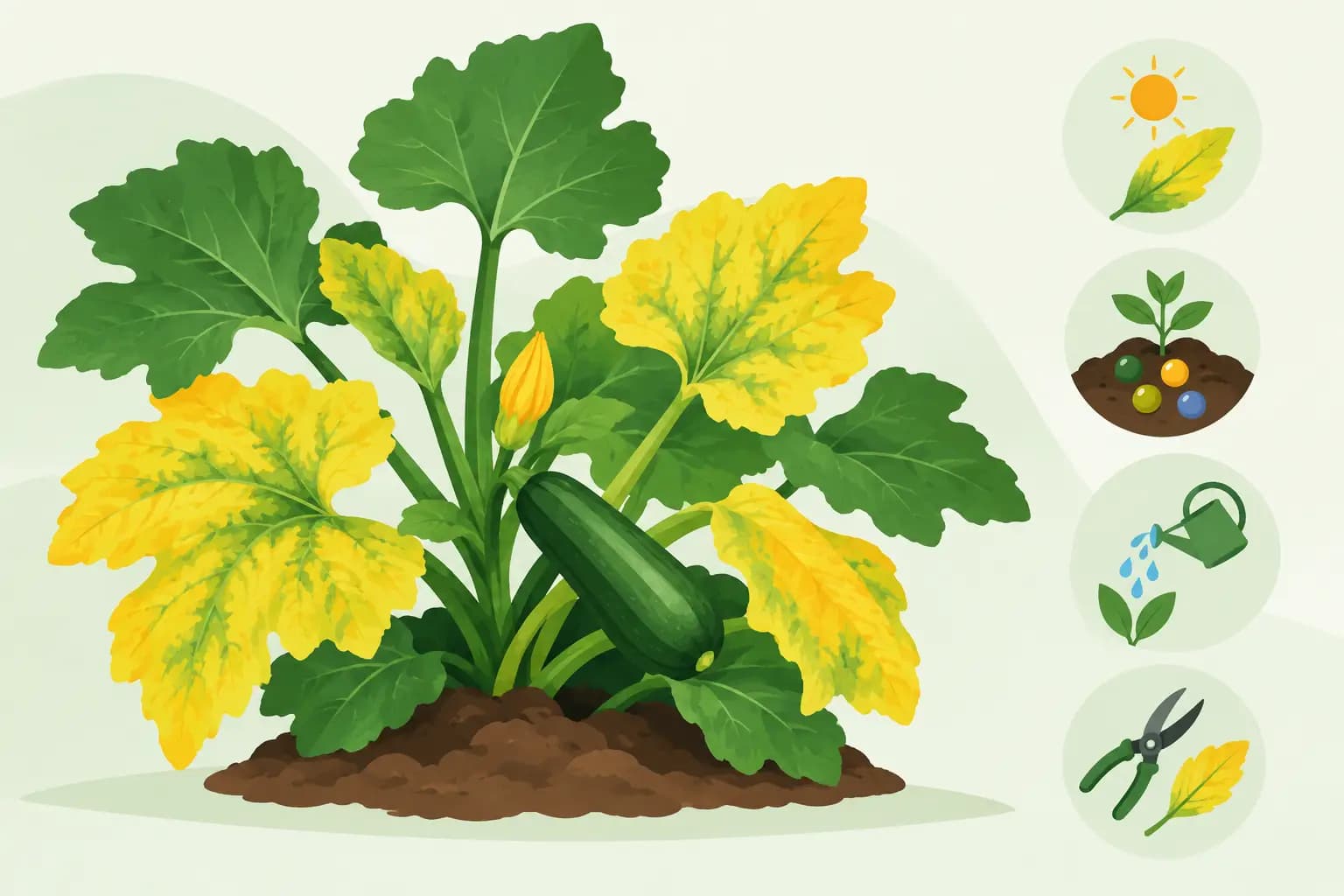
A zucchini plant can look perfectly productive on Tuesday and suddenly show yellow leaves by the weekend. Before adding fertilizer or spraying anything, look at which leaves are yellow, where the color starts, and what the weather has done lately. Those details usually tell you whether the plant needs a small correction or simply needs to shed an old leaf.
If you are asking, why are zucchini leaves yellow, the answer is rarely just one thing. Yellowing can be normal aging, but it can also point to watering stress, a nutrient problem, pests, disease, or a root system that is struggling after heavy rain. The fastest way to protect the harvest is to rule out the urgent issues first, then make one targeted change.
Start with the location of the yellow leaves
A single yellow leaf near the base of an otherwise vigorous plant is usually not a crisis. Zucchini puts a lot of energy into new growth and fruit, and its oldest leaves eventually fade, yellow, and decline. Remove that leaf with clean pruners if it is touching soil or has spots that could harbor disease.
Yellowing at the center of the plant, on new leaves, deserves more attention. New growth should be broadly green and sturdy. When the youngest leaves are pale, yellow between green veins, curled, or distorted, look beyond normal aging.
Take two minutes tonight to check the plant from bottom to top. Note whether the yellowing is limited to old leaves, appears evenly across the plant, or is concentrated in patches. That simple observation keeps you from treating a minor issue like an emergency.
The most common reasons zucchini leaves turn yellow
Too much water or slow-draining soil
Zucchini needs consistent moisture, but it does not do well with roots sitting in saturated soil. After several days of rain, soil can stay wet long after the top inch begins to look dry. Roots lose access to oxygen, nutrient uptake slows, and leaves may turn pale yellow, often starting low on the plant.
Check the soil 2 to 3 inches down, a few inches away from the stem. If it feels wet and heavy, skip watering. Pull mulch back briefly so the soil can breathe, and make sure runoff is not pooling around the bed. In a container, confirm that drainage holes are open and the pot is not sitting in a saucer full of water.
Do not respond to wet-soil yellowing with fertilizer. Fertilizer will not fix oxygen-starved roots, and extra salts can make stress worse. Let the root zone dry to lightly moist before watering again.
Too little water during heat
The opposite problem can look similar. A large zucchini leaf loses a great deal of water on a hot, windy afternoon. Plants may wilt, then develop yellow or crispy leaf edges if dry periods continue. Fruit can also stay small or become misshapen.
Water deeply at the base in the morning, aiming for moisture several inches into the root zone rather than a quick daily sprinkle. Most established plants need roughly 1 to 1.5 inches of water per week, including rain, though sandy soil and sustained heat can raise that need. A 2- to 3-inch layer of clean straw, shredded leaves, or other suitable mulch helps keep moisture steadier.
The trade-off is simple: do not water by calendar alone. A cool, rainy week and a 95-degree week require different decisions.
A nitrogen shortage or nutrient lockout
Older zucchini leaves that turn an even, plain yellow can signal low nitrogen, particularly in a bed that was not amended before planting or has been producing heavily for weeks. Nitrogen supports leafy growth, and zucchini is a hungry crop.
First make sure moisture is reasonable. Nutrients are harder for roots to absorb in soil that is either bone-dry or waterlogged. If the soil is evenly moist and older leaves continue to fade, apply a balanced vegetable fertilizer according to its label, or side-dress with finished compost. Keep fertilizer a few inches from the stem and water it in lightly.
If the newest leaves are yellow while veins remain green, the issue may be an iron or magnesium uptake problem rather than a lack of fertilizer in the soil. This is more common when soil pH is off or roots have been stressed. Avoid adding several products at once. Correct watering first, then reassess new growth over the next 7 to 10 days.
Powdery mildew and other leaf diseases
Powdery mildew often starts as white, dusty-looking patches, usually on older leaves. As the infection advances, affected tissue may yellow, brown, and die back. It is especially common when nights are humid, leaves stay crowded, and late-season plants are under stress.
Remove the worst affected leaves, but do not strip the plant bare. The remaining green leaves are still feeding fruit. Put diseased leaves in the trash rather than composting them at home. Water at soil level, improve airflow by removing only crowded or damaged foliage, and avoid working with wet leaves.
Yellow angular patches that are bounded by leaf veins can suggest downy mildew, especially after cool, damp weather. This can move quickly. If yellowing is spreading from leaf to leaf despite reasonable watering, inspect the undersides for gray or purplish fuzz and act promptly with an appropriate garden treatment labeled for cucurbits, if you choose to use one.
Squash bugs, aphids, and vine borers
Pests can make leaves yellow because they feed on sap or interrupt water movement through the plant. Check the undersides of leaves and the stems, especially near the crown.
Squash bug eggs are bronze-colored clusters, while adults are flat, brownish-gray bugs that hide around stems and leaf joints. Aphids gather in clusters and can leave sticky residue. Squash vine borer damage often shows up as sudden wilting, yellowing, and a small hole near the base of the stem with sawdust-like frass nearby.
Hand-remove eggs and pests when you see them. For vine borer suspicion, examine the stem before assuming the plant needs more water. A wilted plant in moist soil is a warning sign that the problem may be inside the stem, not at the roots.
Why zucchini leaves are yellow when fruit is developing
A zucchini carrying several large fruits may sacrifice older leaves as it directs energy toward seed and fruit development. This is most common when mature zucchini have been left on the plant too long. One oversized fruit can slow new production and stress the plant more than gardeners expect.
Harvest zucchini when the fruit is young and tender, usually around 6 to 8 inches long for standard varieties. Check every day or two during peak season. Regular picking tells the plant to keep producing instead of shifting its energy toward finishing a few giant fruits.
Also look at the fruit itself. A yellow leaf plus fruit that is rotting at the blossom end can indicate inconsistent watering, not necessarily a disease. Keep soil moisture even and avoid big swings between dry and soaked conditions.
A 15-minute zucchini leaf check
When yellow leaves show up, use this order rather than trying every possible fix:
- Feel the soil 2 to 3 inches down. Decide whether the plant is too wet, too dry, or evenly moist.
- Check whether yellow leaves are old lower leaves or new central growth.
- Inspect both leaf surfaces for white mildew, insects, eggs, or sticky residue.
- Look closely at the lower stem for borer holes, frass, or damage.
- Harvest any oversized zucchini and remove only leaves that are fully yellow, badly diseased, or lying on the soil.
Then wait a few days before making another major change. Existing yellow leaves usually will not turn green again. Your measure of success is healthy new growth and steady fruit production.
When to remove the plant
Late in summer, a zucchini plant may naturally lose ground to disease, heat, and age. If most leaves are yellow or brown, mildew is widespread, and new growth is weak, it may be more productive to remove the plant and clear the bed than to keep treating it. This is especially true if you have other cucurbits nearby that could be exposed to the same disease pressure.
Clear fallen leaves and old fruit, then plan a different spot for squash-family crops next season if space allows. That small reset can reduce recurring pest and disease problems.
Yellow zucchini leaves are a signal, not a verdict. Give the plant a close look, match the fix to what you actually find, and let tomorrow's new leaves tell you whether the decision was the right one.