Plant Disease Scanners for Backyard Garden Care
7 min read
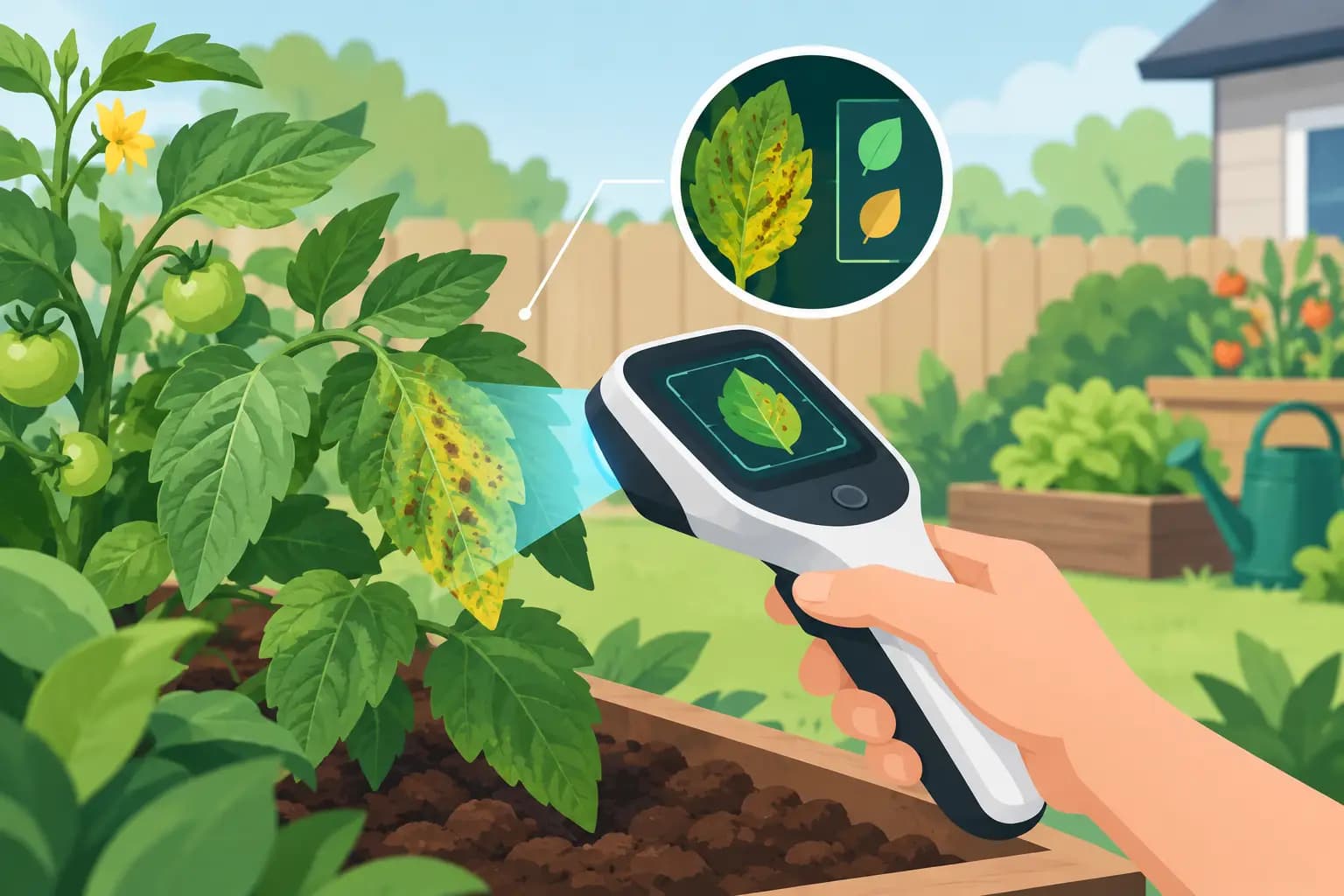
A tomato leaf can look rough by the time you get home from work: pale spots, curling edges, maybe a few brown patches spreading from the bottom of the plant. Plant disease scanners can give you a useful first read in seconds. The best use is not asking, “What is wrong with this leaf?” and stopping there. It is using that answer to decide what to inspect, what to do tonight, and whether the problem can wait until the weekend.
What plant disease scanners actually do
Most plant disease scanners use a photo to compare visible patterns - spots, discoloration, mildew, holes, distortion, or wilting - with patterns in a trained image database. A scanner may recognize symptoms consistent with early blight, powdery mildew, bacterial leaf spot, or a nutrient issue. That can turn a vague worry into a focused garden check.
But a photo is evidence, not a lab result. Many problems share the same first symptoms. Yellow lower leaves can point to normal aging, nitrogen deficiency, root stress, overwatering, fungal disease, or a plant that has simply been shaded by vigorous neighbors. A scanner cannot reliably see soil drainage, recent rainfall, irrigation habits, insect activity under a leaf, or whether the same symptom is appearing across an entire bed.
That limitation is not a reason to ignore the tool. It is a reason to use it well. Think of a scan as a calm prompt: check these likely causes before you spray, prune, fertilize, or pull a plant out.
A useful scan starts before you take the photo
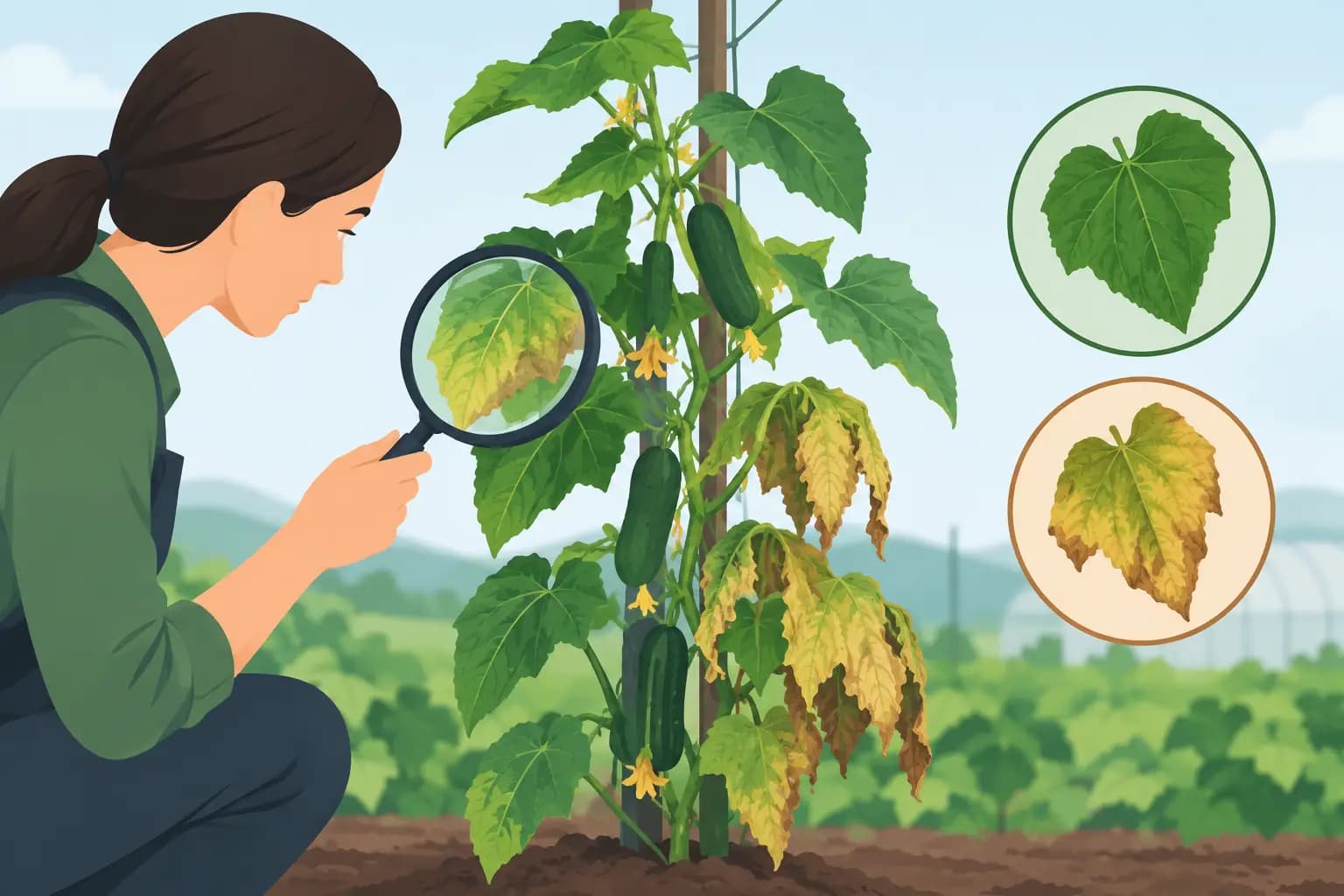
The quality of the photo shapes the quality of the suggestion. Take one clear image of the affected leaf in natural light, then take a second wider photo showing the whole plant. If you can, photograph both the top and underside of the leaf. Some issues, including aphids, whiteflies, spider mites, and certain fungal growth, are easier to spot underneath.
Choose a leaf with fresh symptoms. A leaf that is mostly dead may show the final damage from several overlapping problems, making a diagnosis less useful. Avoid heavy shadows, wet glare, and a busy background. Hold the leaf steady rather than photographing it in the wind.
Then give the result some context from your own garden. Ask whether the issue is on new growth or old growth, one plant or many, and one side of the garden or every exposed bed. Recall what happened during the past week: hard rain, a heat spike, cool damp nights, missed watering, a frost warning, or a recent fertilizer application. Those details often matter more than the difference between two nearly identical-looking disease names.
When the scanner says “disease,” check the pattern
A scanner may identify a likely disease correctly and still leave you with the wrong next step if you do not confirm the pattern. Before treating, spend ten quiet minutes looking for four clues:
- Where symptoms began. Fungal leaf diseases often start on lower, older leaves after soil splash or prolonged leaf wetness. Problems confined to new growth may suggest insects, nutrient availability, or herbicide drift instead.
- How symptoms are shaped. Circular spots with rings, fuzzy white coating, water-soaked patches, and angular yellow areas are different signals. Look closely rather than relying on the leaf’s overall color.
- How quickly symptoms spread. Damage that appeared overnight after a hot, dry spell can be a watering or pest issue. A gradual rise from the plant’s base after rainy weather suggests a different direction.
- What is living nearby. Check stems, leaf undersides, mulch, weeds, and the soil line. A disease-looking leaf can be the result of mites, chewing insects, a clogged drip emitter, or a stem injury.
This is where garden records become practical rather than administrative. If you logged rain, watering, fertilizer, or the first spotted leaf, you have a timeline. You do not need a perfect garden journal. Even a note that says “heavy rain Sunday, spots noticed Wednesday” helps separate a weather-driven outbreak from a chronic care problem.
The next action depends on the risk
Not every flagged issue deserves the same response. A few lower leaves with early leaf spot on a mature tomato plant call for a different plan than powdery mildew moving across young zucchini leaves, or suspected blight affecting several plants in a small greenhouse.
For a small, contained problem, start with sanitation and airflow. Remove the most affected leaves with clean pruners, collect fallen debris, and keep it out of the compost pile if you suspect a persistent disease. Water at the soil line early in the day so leaves dry quickly. If dense foliage is holding humidity around the plant, remove only enough growth to improve circulation. Do not strip a plant bare in the name of prevention.
For a fast-moving issue, act sooner. Isolate potted plants when possible, stop handling wet plants, and inspect neighboring crops of the same type. In a greenhouse, open vents or doors when conditions allow and avoid evening watering that leaves foliage wet overnight. Moisture management is often more useful than reaching immediately for a product.
If you choose an organic or conventional treatment, make sure it matches the confirmed problem and the crop. Fungicides do not fix drought stress. Insecticidal soap will not stop a leaf spot disease. Follow the product label exactly, including harvest intervals and temperature restrictions. A scanner suggestion should never be the only basis for applying something to food crops.
What scanners can mistake for disease
Backyard gardens create messy, real-world symptoms. That is why an app may confuse damage from weather, nutrition, pests, or handling with a disease.
Tomatoes commonly curl leaves during heat or after uneven watering. Basil can blacken after cold exposure. Cucumbers may develop pale, scorched-looking edges when roots cannot keep pace with hot weather. Lawn grass can turn patchy from compacted soil, dull mower blades, dog activity, uneven irrigation, or a fungal problem. The photo may look similar, but the fix is completely different.
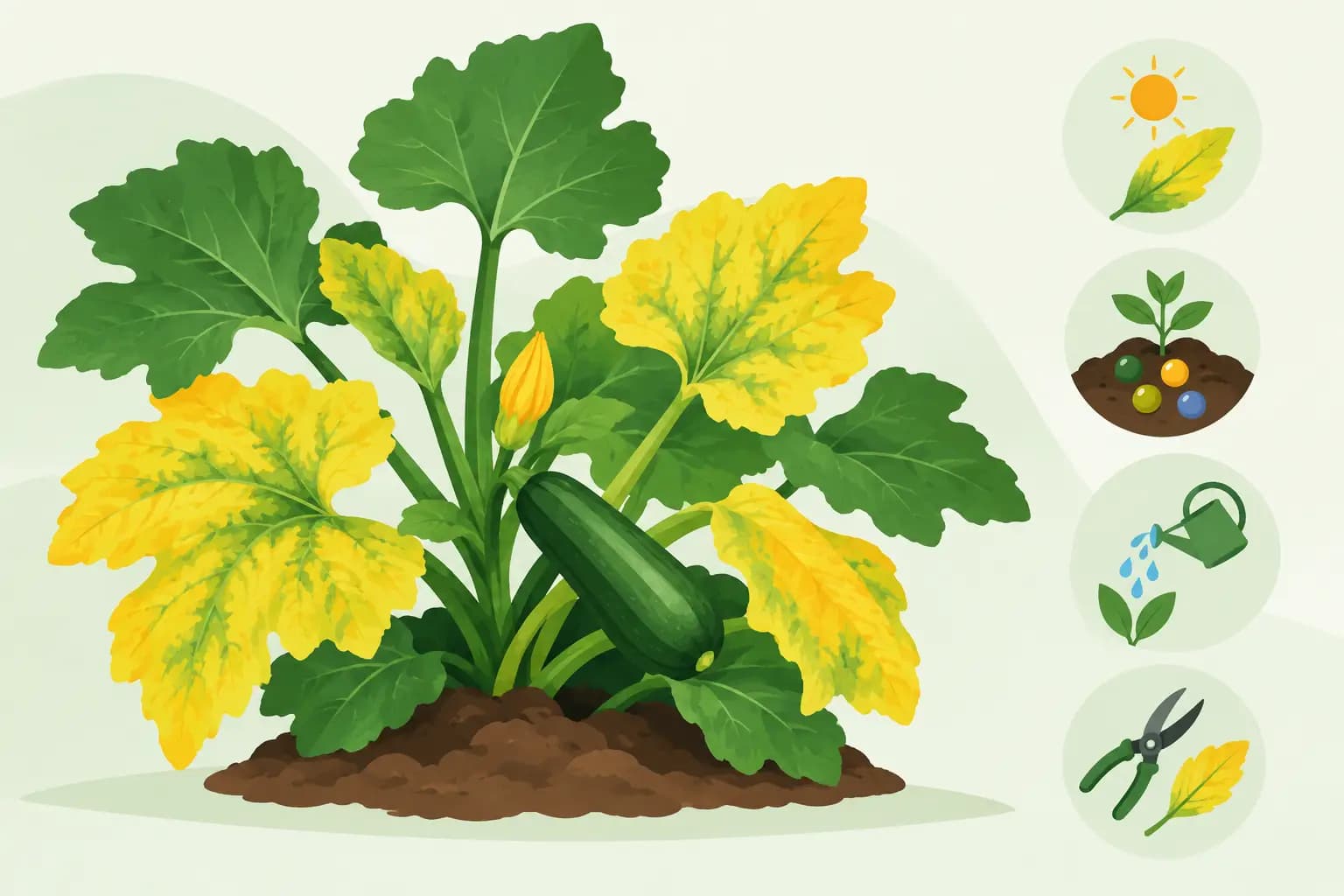
Nutrient deficiencies deserve special caution. Yellow leaves do not automatically mean fertilizer. When soil is too wet, too dry, too cold, or too alkaline, roots may struggle to take up nutrients that are already present. Adding more fertilizer can create excess growth, salt stress, or runoff without improving the plant. Check moisture and recent feeding before correcting a suspected deficiency.
The same restraint applies to removing plants. If a scan suggests a serious viral or bacterial disease, look for the broader pattern first. Stunting, distorted new growth, rapid wilting, or symptoms repeating across several plants make the concern more credible. If you are unsure, isolate the plant from pruning tools and monitor it closely for a few days rather than spreading the problem through the bed.
Turn a diagnosis into a weekly garden plan
The real value of a plant health scan is priority. A useful system should help you distinguish between a leaf that needs attention today and one that deserves a recheck after the next rain.
For example, a scanner flags possible powdery mildew on one squash leaf. Tonight’s plan might be: remove that leaf, inspect the undersides of five nearby leaves, water only at the base, and check the patch again in three days. That is a fifteen-minute task with a clear reason behind it.
Now compare that with a scanner flagging possible early blight on two lower tomato leaves after a week of storms. The right plan may be to remove affected foliage, refresh mulch to reduce soil splash, stake loose branches for better airflow, and avoid working in the bed until leaves are dry. You are not trying to win an argument with an app. You are reducing the conditions that let the problem spread.
Tomatograph uses photo-based health checks alongside local weather, crop stage, and your garden notes so a possible diagnosis can become an action with a deadline. That context matters when rain is coming, a cold night is forecast, or a plant is close to harvest.
When to stop scanning and get a second opinion
Use extra caution when symptoms are spreading rapidly, multiple unrelated crops are failing, or an established shrub or tree is declining. A local extension office, master gardener program, or qualified nursery professional may be able to examine a sample and identify issues that an image alone cannot settle.
Also seek help before treating edible plants repeatedly without results. Reapplying the wrong product wastes time and can stress the plant further. Bring a fresh sample in a sealed bag if requested, along with notes about the crop, symptoms, watering, weather, and any treatments already used.
A scanner earns its place in the garden when it shortens the path from concern to sensible action. Take the photo, check the pattern, make the smallest useful correction, and look again after a few days. Your garden does not need constant diagnosis. It needs your attention directed to the leaf, bed, or task that matters most right now.