Raised Bed Planting Schedule for Spring, Made Simple
6 min read
Your raised bed planting schedule spring plan should not begin with a date on the calendar. It should begin with the night temperatures in your yard. A sunny 60-degree afternoon can make it feel like tomato season, but one cold night can still set warm-season seedlings back for weeks.
The calm approach is to make a few timely decisions instead of trying to plant everything at once. Start cool-season crops while the soil is waking up, hold tender plants until the risk has passed, and leave space for the second round. That is how a small raised bed keeps producing instead of peaking once and looking tired by June.
Build Your Raised Bed Planting Schedule Around Frost
Your average last spring frost date is the anchor, not a promise. Local conditions can shift it by a week or more, especially in low spots, exposed yards, and neighborhoods where cold air settles overnight. Use the date as a planning marker, then watch the forecast during the two weeks on either side of it.
Raised beds warm and drain faster than in-ground soil. That is useful in spring, but it does not make plants frost-proof. A bed beside a south-facing fence may be ready sooner than a shaded bed near the lawn. Check each growing area rather than treating the whole yard the same.
Think in three planting windows:
- Four to six weeks before your last expected frost: hardy crops that tolerate cool soil and light frost.
- Two to four weeks before last frost: more cool-season vegetables, plus herbs that handle chilly nights.
- After the last frost, when the soil has warmed: tomatoes, peppers, beans, basil, squash, cucumbers, and other warm-season crops.
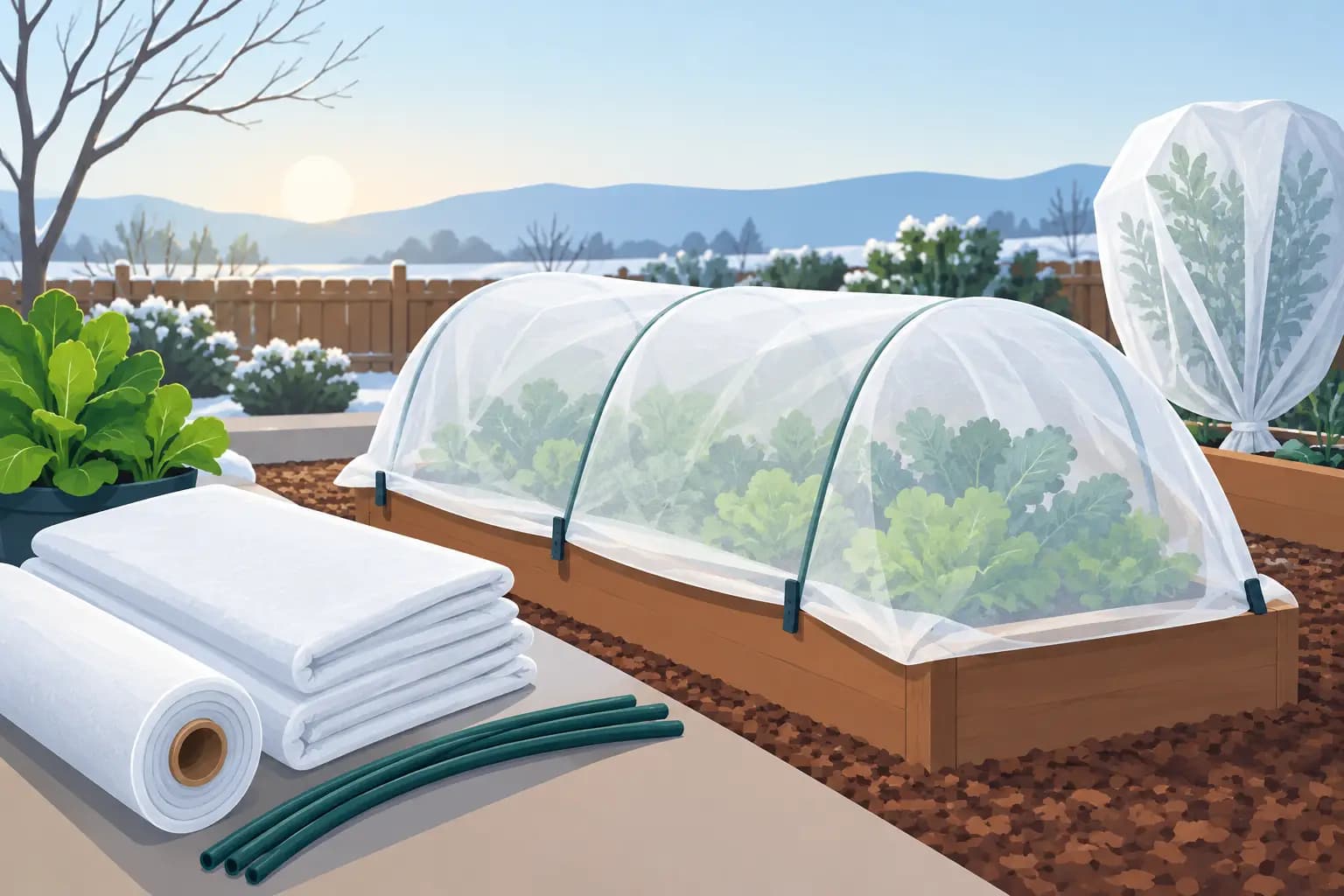
If a late cold snap is forecast, protect young greens and brassicas with a frost cloth or lightweight cover before sunset. Fifteen quiet minutes in the evening is easier than replacing a tray of seedlings on Saturday.
Soil Temperature Changes the Decision
Air temperature tells you whether plants may be damaged overnight. Soil temperature tells you whether seeds are likely to germinate and grow well.
Peas, spinach, radishes, lettuce, arugula, kale, and carrots can begin in cool soil, often around 40 to 50 degrees Fahrenheit. They may grow slowly at first, but they are built for it. Potatoes also tolerate cooler conditions, though saturated soil can cause seed pieces to rot.
Beans, cucumbers, squash, and corn prefer soil closer to 60 degrees. Tomatoes and peppers are happiest once soil is consistently warmer, generally 60 to 65 degrees or more. Planting them early is not always an advantage. A tomato planted into cold soil may sit still, turn purple at the leaf edges, and lose the lead to a plant set out two weeks later in warmer conditions.
Use a simple soil thermometer if you have one. Take the reading in the morning at planting depth for three consecutive days. If you do not have one, wait until the bed is crumbly rather than slick and cold, and let the forecast guide the rest.
A Practical Spring Schedule for Raised Beds
The exact dates vary across the United States, so use the timing below in relation to your local last frost date. It is more dependable than copying a calendar built for a different state.
Six Weeks Before Last Frost
If the bed is workable, sow peas, spinach, radishes, lettuce, arugula, turnips, and Asian greens. Transplant hardy seedlings such as kale, collards, cabbage, broccoli, and cauliflower if they have been hardened off.
This is also the time to prepare the bed without overworking it. Pull winter weeds while they are small, top-dress with compost, and smooth the surface. Do not turn wet soil into mud. In a raised bed, a light layer of finished compost is usually enough for spring planting, especially if you refreshed the bed last fall.
Set aside one corner for herbs that tolerate cool conditions. Parsley, cilantro, chives, and dill can get started now. Basil waits.
Three to Four Weeks Before Last Frost
Make your second sowing of salad greens and radishes. This small repeat planting matters more than a huge first sowing. A four-foot row of lettuce every two weeks gives you leaves for dinner over a longer stretch than one crowded patch harvested all at once.
Direct-seed carrots and beets now if your soil is loose and free of fresh wood chips or unfinished compost. Carrot seeds need steady moisture to germinate, so check the top inch of soil daily during dry, breezy weather. A thin board laid over the row can help hold moisture until sprouts appear, but remove it as soon as germination starts.
If you started onions indoors, transplant them now. If nights are expected to dip well below freezing, cover small transplants. Established onions handle cold better than heat, but newly planted roots still need time to settle in.
One to Two Weeks Before Last Frost
This is the handoff period. Cool-season crops are growing, while warm-season seedlings are waiting nearby. Start hardening off tomatoes, peppers, eggplant, basil, cucumbers, and squash if they have been indoors or in a protected greenhouse.
Hardening off means gradually introducing seedlings to outdoor sun, wind, and temperature swings over about seven to ten days. Begin with an hour or two of sheltered shade, then increase exposure daily. Skipping this step can leave leaves bleached, scorched, or torn by wind, even when frost is not the problem.
You can continue sowing lettuce, spinach, and radishes, but pay attention to bed space. Tall summer crops will soon cast shade. Plant quick crops where tomatoes or peppers will go only if you can harvest them before the larger plants need the room.
After the Last Frost, With a Forecast Check
Once frost danger has passed, do not rush every tender crop outside on the same day. Check the ten-day forecast and the soil. If nights are still in the low 40s, tomatoes can survive, but they will not thrive. Peppers and basil are even less forgiving.
Plant tomatoes, peppers, and eggplant first when conditions are settled. Then add beans, cucumbers, squash, melons, and basil as the soil warms further. Water transplants deeply at planting, then let the soil surface dry slightly before watering again. Constant shallow watering encourages shallow roots, which makes plants more dependent on you when early summer heat arrives.
Install supports before plants get large. Tomato cages, trellises, and bean supports are easier to place now than after roots and stems fill the bed.
Plan Each Bed for What Happens Next
A spring bed can look perfectly organized and still become crowded fast. Check mature spacing before planting, not just the size of the seedling today. One tomato plant may need two to three feet of width. A zucchini can take even more unless you train it vertically and prune carefully.
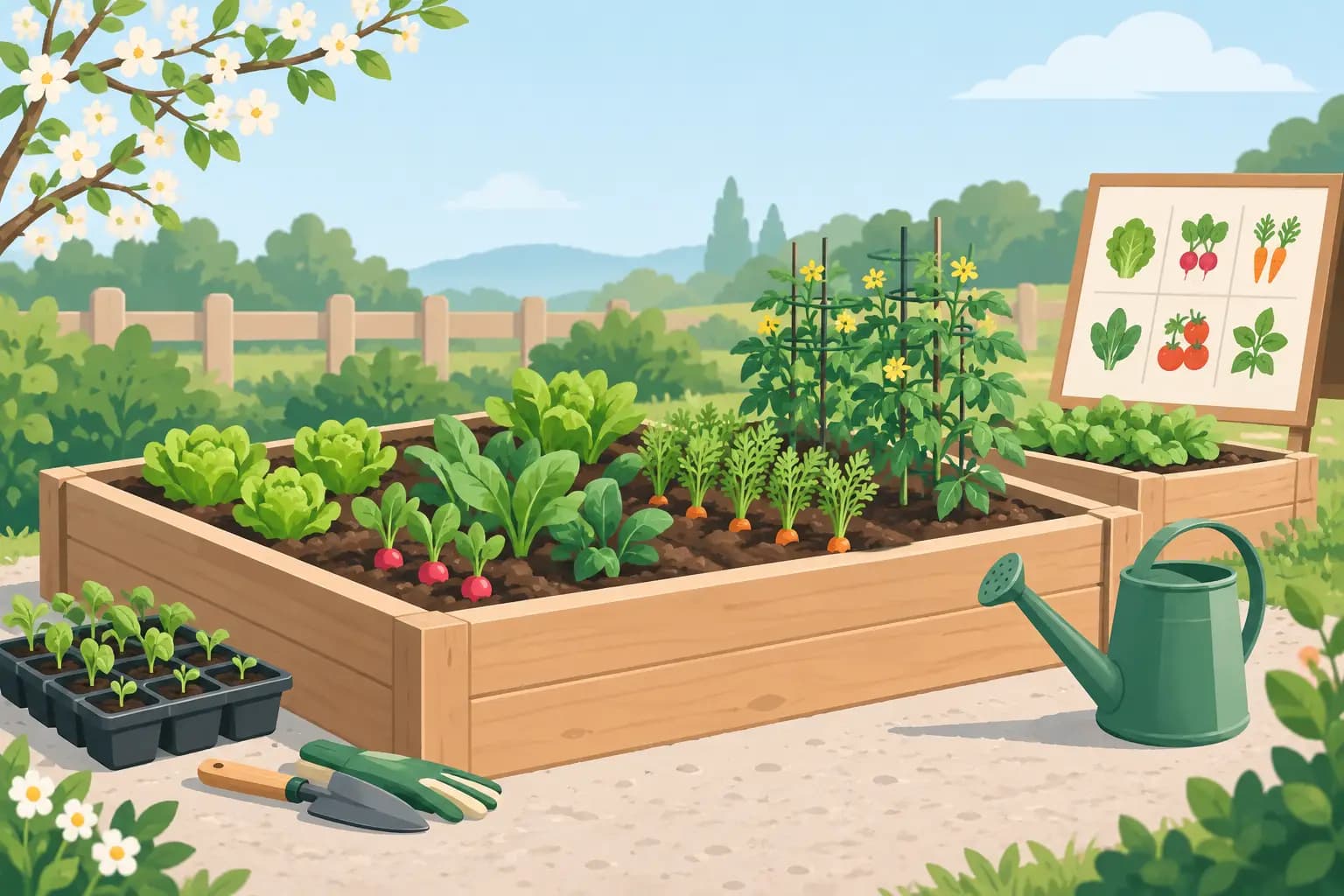
A useful pattern for a four-by-eight-foot bed is to place tall crops on the north side, medium crops through the center, and fast, low crops at the south edge. This keeps tomatoes and trellised cucumbers from shading lettuce or herbs too soon.
Leave intentional gaps for succession planting. When radishes finish, add bush beans. When spinach bolts, replace it with basil or a compact pepper. When early peas come out, use the space for a cucumber or a second round of carrots. Spring scheduling is less about filling every inch immediately and more about knowing what will occupy that inch next.
Weather Can Override the Plan
A printed schedule cannot see Thursday's hard freeze or three days of soaking rain. Your next action should change when conditions change.
After heavy rain, skip watering even if it is your usual day. Check under mulch or an inch below the surface first. Before a surprise cold night, prioritize tender crops and newly transplanted seedlings. If wind is expected, secure row covers and check tall transplants that have not rooted in yet.
This is where a weather-aware plan can reduce the mental load. Tomatograph can turn your garden, forecast, and crop stage into a short weekly list, so you are not trying to remember which bed needs cover and which one simply needs another row of lettuce.
Keep the First Month Manageable
The spring rush often creates more work than the garden needs. Plant what you will actually water, harvest, and protect. A bed with six well-spaced, healthy plants will feed you more reliably than a bed packed with hopeful seedlings competing for light and water.
On your next mild evening, check your local last frost date, feel the soil in each raised bed, and choose only the crops suited to this week's conditions. The rest can wait a little longer. Your garden is not behind when it is planted at the right time.