Vegetable Plant Growth Stages and Timely Care
7 min read
A tomato seedling can look perfectly healthy on Monday and need a stake, a deeper drink, or frost protection by Friday. That is why vegetable plant growth stages matter: the right job changes faster than a general care sheet suggests. When you know what stage a crop is in, you can spend fifteen useful minutes in the garden instead of guessing what deserves attention.
The stages below are a practical care framework, not a rigid calendar. A cool spring, a week of rain, container growing, and your local soil all affect timing. Watch the plant first, then use the calendar as a rough guide.
The vegetable plant growth stages that guide care
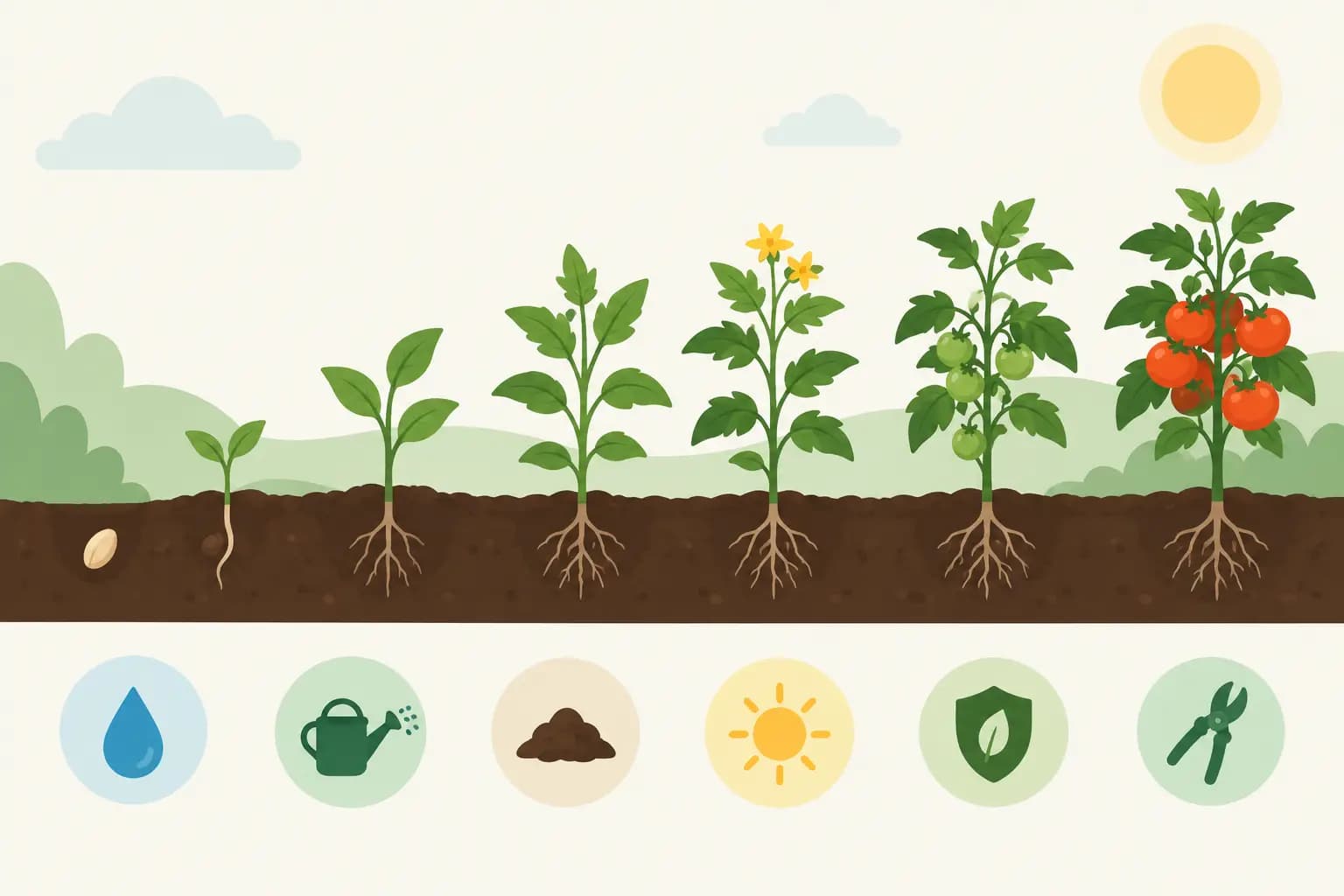
Most vegetables move through six useful stages: germination, seedling establishment, vegetative growth, flowering, fruiting or root development, and harvest or decline. Leaf crops such as lettuce move quickly from vegetative growth to harvest. Fruiting crops such as peppers and cucumbers spend longer building leaves before producing. Root vegetables put much of their energy underground, where progress is harder to see.
The question at each stage is simple: what is the plant trying to do now, and what could get in its way?
1. Germination: protect moisture and warmth
Germination begins when a seed absorbs water and ends when the first shoot emerges. At this point, the seed has stored energy, so fertilizer is not the priority. Even moisture, suitable soil temperature, and correct planting depth are.
Check newly seeded beds daily in dry or windy weather. The top inch of soil can dry out before the seed has rooted. Water gently enough that seeds do not wash into a corner of the row. A fine rose on a watering can or a soft spray works better than a hard stream.
Temperature often explains uneven germination. Peas, radishes, kale, and lettuce tolerate cool soil. Beans, squash, cucumbers, and basil wait for warmth. If half a row of beans has emerged and the rest has not, give it a few more warm days before reseeding. Digging up every seed usually creates more disruption than answers.
For the task list tonight: check soil moisture, label the row, and look for a soil crust after heavy rain. Gently break a crust only if seedlings are struggling to push through it.
2. Seedling establishment: prevent the early losses
Once the first true leaves appear, a plant begins making enough energy to support itself. The round first leaves, called cotyledons, are not a sign that the crop is ready for heavy feeding. True leaves are the ones that resemble the mature plant.
This is the stage when crowding becomes expensive. Beets, carrots, lettuce, radishes, and many direct-sown herbs may need thinning so roots and leaves have room. It feels wasteful to remove healthy seedlings, but crowded plants compete for light and water, stay damp longer, and often produce smaller harvests.
Thin after a watering, when soil is loose. Snip unwanted seedlings at soil level if nearby roots are delicate, especially carrots. Pulling can disturb the keeper plants. For transplants, check that the root ball is moist and that the stem is standing firmly after wind or rain.
Seedlings are also tender targets for slugs, cutworms, flea beetles, and hungry rabbits. Look for the evidence before choosing a response. Ragged holes near the ground may point to slugs. A seedling cut cleanly at the stem suggests cutworms. One quick inspection after dusk can save more plants than a broad, unnecessary treatment.
3. Vegetative growth: build a strong working plant
During vegetative growth, the plant is making stems, roots, and leaves. This is the stage where steady conditions pay off. Deep, occasional watering encourages roots to travel down into the soil; frequent shallow watering can leave them near the surface and more vulnerable when temperatures rise.
How much water depends on rain, soil type, mulch, and the crop. A raised bed filled with loose mix may dry much faster than an in-ground bed with compost-rich soil. Before watering, push a finger a couple inches into the soil. If it is cool and moist below the surface, wait. If it is dry at that depth, water slowly at the base of the plant.
Feed only when the plant needs it. Pale leaves, slow growth, or a bed that has produced heavily for several seasons can justify a balanced fertilizer or compost application. But excess nitrogen during this stage can create a beautiful wall of tomato leaves with fewer flowers later. Leafy greens welcome more nitrogen than fruiting crops approaching bloom.
This is also the right time to mulch, weed, and add supports. Install tomato cages or trellises before plants become a tangled problem. Train peas, pole beans, cucumbers, and indeterminate tomatoes a little at a time. A five-minute adjustment now is easier than trying to lift a fruit-loaded vine after a storm.
Vegetable plant growth stages and flowering care
Flowers mark a shift in priorities. The plant is moving from building itself to reproduction, and stress can show up as dropped blossoms, poor pollination, or misshapen fruit.
Tomatoes, peppers, squash, cucumbers, beans, and peas all benefit from consistent moisture while flowering. Letting soil swing from bone dry to soaked can contribute to blossom drop and later fruit problems. Mulch helps moderate that swing, especially during hot weeks.
Do not assume every flower needs hand pollination. Outdoor plants usually have help from wind and insects. If a greenhouse has closed doors, little airflow, and no pollinator activity, gently shaking tomato supports at midday can help release pollen. Squash flowers are different: bees must move pollen from male flowers to female flowers, which have a small squash behind the bloom.
Heat can interfere even when you are doing everything right. Tomatoes may temporarily stop setting fruit when daytime heat stays high and nights remain warm. Keep watering consistently, avoid heavy pruning, and give the plants time. More fertilizer will not fix a weather-driven pause.
4. Fruit, pod, and root development: keep conditions steady
When fruit begins sizing up, the goal is consistency rather than constant intervention. Tomatoes, peppers, eggplants, cucumbers, melons, and squash need steady water, adequate sunlight, and enough airflow to dry foliage after rain or irrigation.
Water at the soil line in the morning when possible. Wet leaves at night can extend the conditions that favor foliar disease. Remove only leaves that are clearly diseased, badly damaged, or lying on the soil. Aggressive pruning can expose fruit to sunscald and reduce the leaves that fuel ripening.
For root vegetables, resist the urge to tug plants every few days. Carrots and beets need uninterrupted soil moisture to develop evenly. Uneven watering can contribute to cracking or tough roots. Brush soil aside near one shoulder of a carrot or beet to gauge size, then harvest a sample rather than disturbing the entire row.
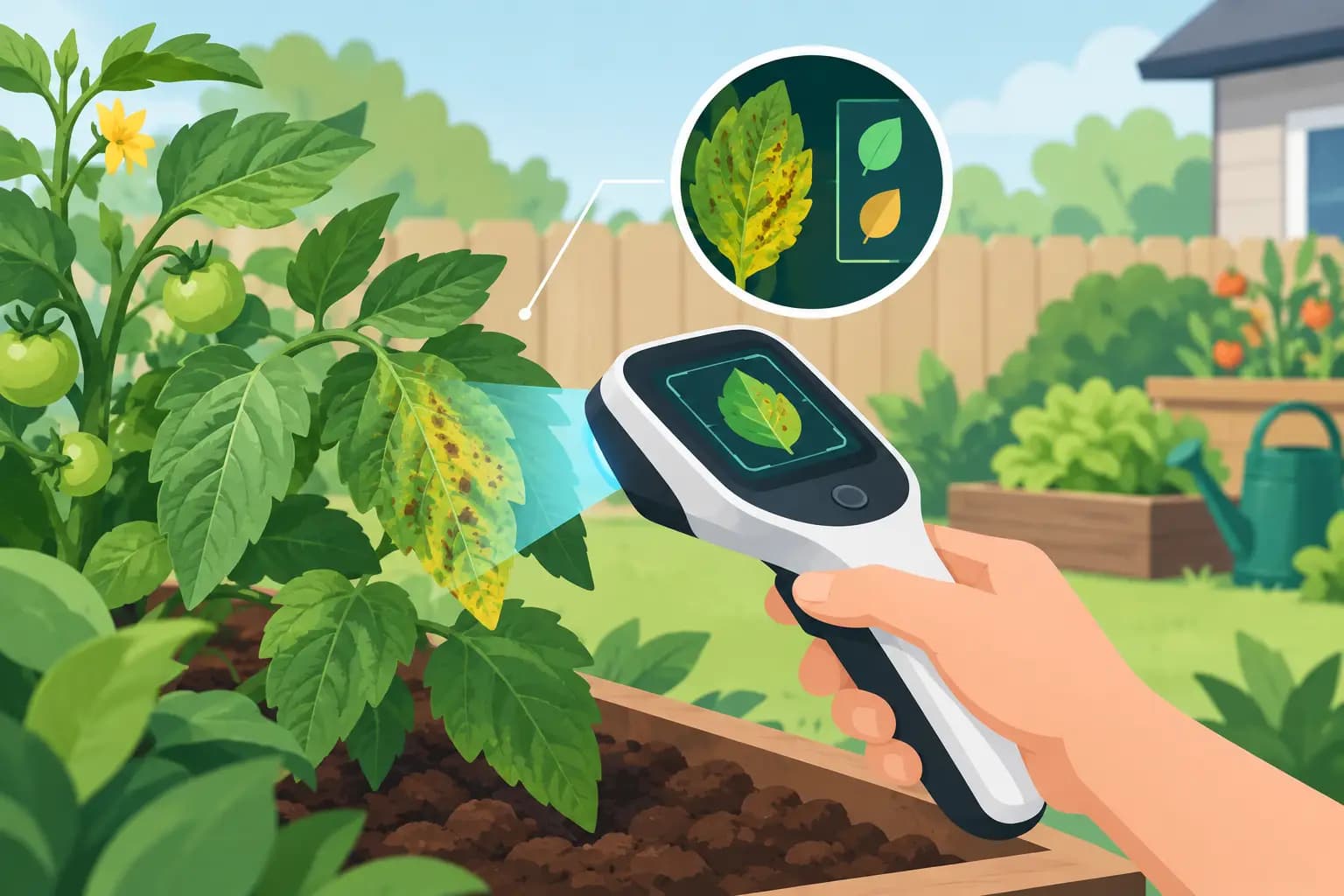
Pests require the same restraint. A few aphids on a pepper tip may be a job for a firm spray of water and another look tomorrow. A fast-spreading infestation, chewed fruit, or a disease spot appearing on multiple plants deserves quicker action. Photographing the issue and noting when it began makes patterns easier to spot across the season.
5. Harvest: pick on purpose, not only when convenient
Harvest is not the finish line for every crop. Frequent picking keeps beans, cucumbers, zucchini, and many herbs producing. Leaving oversized fruit on the plant signals that it has completed its reproductive work, so production can slow.
For leafy greens, harvest outer leaves while the center continues growing. Pick basil before it flowers if you want tender leaves and continued branching. Pull radishes when shoulders are visible and appropriately sized, because waiting for a giant radish often means a woody, hot one.
Harvest timing is partly a flavor decision. Snap peas are sweetest when pods are plump but still crisp. Zucchini is tender when small to medium, not when it resembles a baseball bat. Tomatoes can finish coloring indoors if frost or disease is approaching, but vine-ripened fruit usually has the best flavor when conditions allow.
6. Decline and cleanup: make the next planting easier
Every vegetable eventually slows down. Lettuce bolts in heat. Summer squash succumbs to mildew. Tomatoes lose momentum as cool nights arrive. The useful question is whether a plant still earns its space.
Remove plants that are clearly diseased or no longer productive, especially if they are blocking light and airflow. Healthy spent plants can be chopped and composted if your compost system heats adequately. Do not compost heavily diseased material in a casual pile unless you are confident it will break down safely.
Before you clear a bed, consider what comes next. A finished pea row can become a summer cucumber bed. A harvested garlic area can hold fall greens. Add compost, repair irrigation, and record what worked while you can still remember which tomato was productive and which one struggled.
A garden does not need daily management to stay productive. It needs the right small decision at the right growth stage: thin the carrots, stake the tomato, water before the hot spell, pick the beans before they turn tough. That rhythm leaves more time for the part that matters most - being outside with food growing close to home.