10 Best Vegetables for Fall Gardens to Plant Now
7 min read
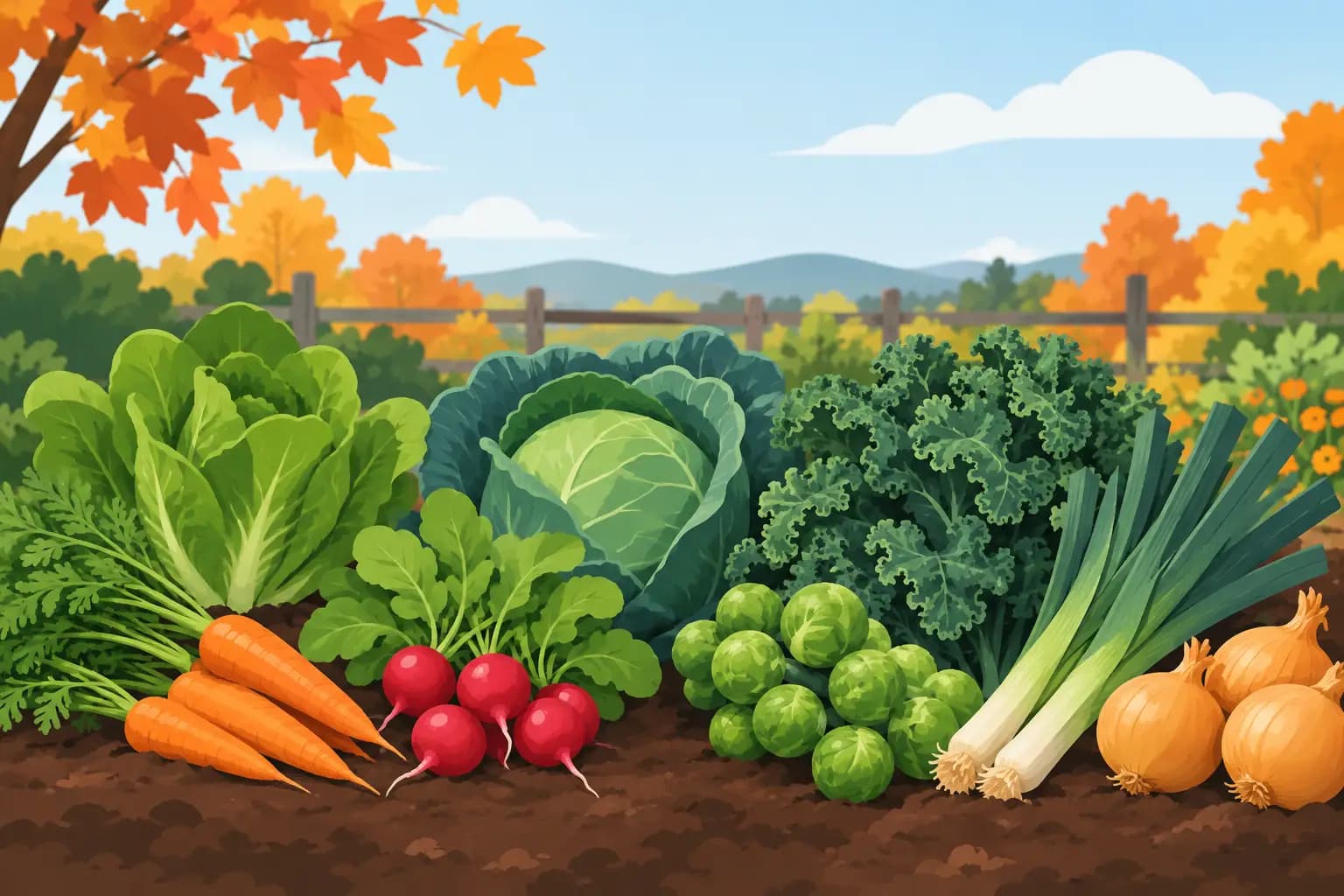
A fall garden is won or lost before the first cool morning. Plant too late, and seedlings sit still as daylight fades. Plant the right crops at the right time, and the beds that looked tired in August can supply crisp salads, sturdy greens, and sweet roots well into fall. The best vegetables for fall gardens are not just the most cold-tolerant ones. They are the crops that match your first expected frost date, available bed space, and the time you actually have after work.
Start with one useful question: how many days remain before your typical first frost? Then add a buffer of 10 to 14 days because fall days are shorter and growth slows. A crop labeled “50 days to harvest” often needs closer to 60 days when planted in late summer. That small adjustment prevents a lot of wishful planting.
Best Vegetables for Fall Gardens, Ranked by Reliability
1. Radishes
Radishes are the fastest reset button for an empty bed. Many varieties mature in 22 to 35 days, which makes them a practical choice even where the first frost is approaching. Sow seed directly in moist soil, then thin seedlings early so roots have room to size up.
The main risk is heat, not cold. In warm late-summer soil, radishes can turn sharp or bolt quickly. A light layer of mulch and consistent watering help. Sow a short row every seven to 10 days instead of planting one large block. You will get a steadier harvest and fewer radishes all ready at once.
2. Leaf Lettuce
Fall-grown lettuce is often better than spring lettuce. Cooler nights improve flavor, and plants are less likely to bolt. Loose-leaf types are especially dependable because you can harvest outer leaves while the center keeps growing.
Lettuce needs steady moisture to germinate in warm weather. Water the seedbed gently each day until seedlings emerge, then keep the top few inches of soil evenly damp. During an early hot spell, shade cloth or even a temporary board propped over the row during the hottest part of the day can make the difference between a thin stand and a good one.
3. Spinach
Spinach earns its place in nearly every fall plan because it thrives as temperatures drop. It germinates best in cool soil, so gardeners in hot regions may need to wait until late summer heat eases. Once established, spinach tolerates light freezes and can keep producing under row cover.
Give it rich soil and do not crowd the plants. Harvest baby leaves early if you need space, or let plants reach full size for a more substantial crop. If winter is mild in your area, a protected planting can overwinter and restart early in spring.
4. Kale
Kale is one of the easiest choices for gardeners who want a forgiving fall crop. Seedlings establish quickly, and mature plants tolerate significant cold. A light frost can even make the leaves taste sweeter.
For the simplest route, transplant kale rather than direct-sowing it late. Set plants 12 to 18 inches apart, water deeply at planting, and protect young leaves from cabbage worms with lightweight row cover if those pests are common in your yard. Pick the lowest leaves first and leave the growing tip intact.
5. Swiss Chard
Swiss chard is the practical middle ground between tender greens and cold-hardy brassicas. It handles warm late-summer weather better than spinach, then keeps producing after the first light frosts. In mild climates, it can continue through winter.
Chard does take more room than lettuce, so it is a better choice for a bed edge or a spot where summer beans or cucumbers have finished. Cut a few outer leaves at a time. One or two plants can supply regular meals without taking over the garden.
6. Broccoli
Broccoli is worth the calendar math. A good fall crop can produce firm, sweet heads that are far better than what most gardeners manage in spring. But it needs enough time. Choose compact or quicker-maturing varieties, and count backward from the first frost date with that 10- to 14-day slowdown buffer.
Use healthy transplants if your window is tight. Broccoli needs consistent moisture, especially while heads form, and a side dressing of nitrogen-rich fertilizer a few weeks after transplanting can support steady growth. After the main head is cut, leave the plant in place. Many varieties produce smaller side shoots for weeks.
7. Cabbage
Fall cabbage grows best when it starts early enough to form a solid head before hard freezes arrive. Like broccoli, it is usually more reliable from transplants. Its broad leaves make it vulnerable to caterpillars, so check the undersides once a week rather than waiting for obvious holes.
Cabbage is a space commitment, but it stores well and earns its bed space if your household cooks with it. Small-headed varieties are often the smart choice for home gardens. They mature faster and are less likely to split after autumn rain.
8. Carrots
Carrots reward patience. Their seed germinates slowly, especially in hot, dry soil, but cool fall weather helps the roots develop sweetness. Sow them directly because they do not transplant well, and keep the seed row consistently moist until it sprouts.
A useful trick is to cover the seeded strip with a board or piece of burlap for a few days to hold moisture. Check daily and remove it as soon as seedlings appear. Thin carefully. Crowded carrots produce plenty of foliage and disappointing roots.
9. Beets
Beets offer two harvests from one planting: roots for roasting and young greens for salads or sautés. They handle cool weather well, though very late sowings may yield more greens than full-sized roots. That is still a useful outcome.
Plant beet seeds directly, remembering that each wrinkled “seed” is a cluster. Thin seedlings to two to four inches apart once they are established. If the forecast brings a hard freeze before roots are ready, cover the bed or harvest what has sized up. Small beets are tender and cook quickly.
10. Turnips
Turnips deserve more attention in home gardens. They are quick, cold-tolerant, and useful at several stages. Harvest thinned greens early, then let the remaining roots grow for soups, roasting, or mashing.
For best flavor, grow turnips fast. Loose soil, regular water, and adequate spacing matter more than fancy inputs. Roots that stall in dry ground can become woody. If your goal is greens, choose varieties bred for tops; if roots are the priority, give them room.
Build a Fall Planting Plan Around Your Frost Date
The best fall garden is usually not a bed full of every possible crop. It is a short list planted on time. If you have fewer than 45 days before your expected first frost, focus on radishes, baby greens, lettuce, spinach, and turnip greens. With 45 to 70 days, add beets, carrots, kale, chard, and fast broccoli. If you have more than 70 days, cabbage and larger broccoli varieties become more realistic.
Your local microclimate matters too. A south-facing wall, raised bed, or protected backyard may stay several degrees warmer than an exposed open lot. That can extend harvest, but it should not be your entire plan. Use protection to finish a crop, not to rescue one planted far too late.
What to Do This Week
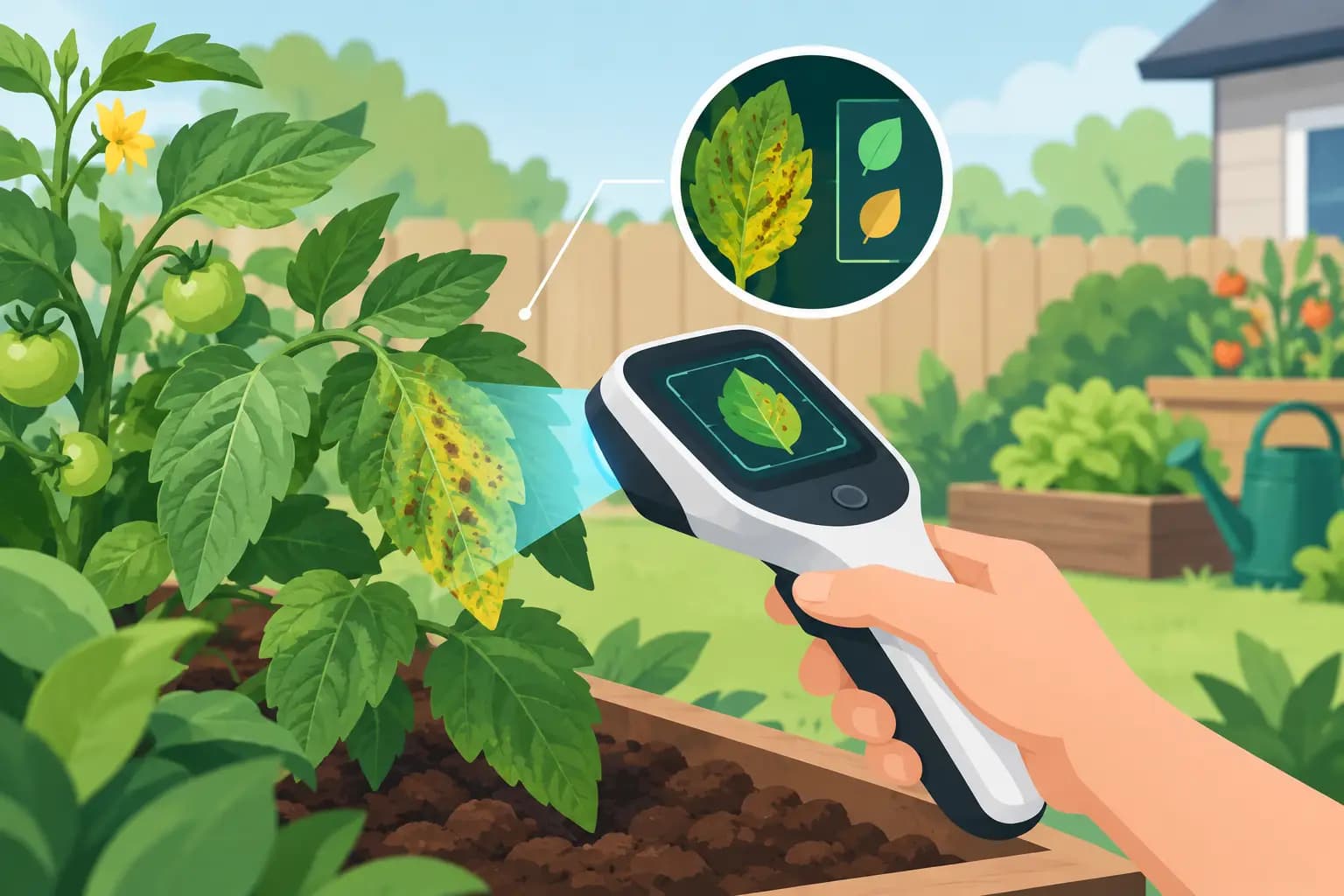
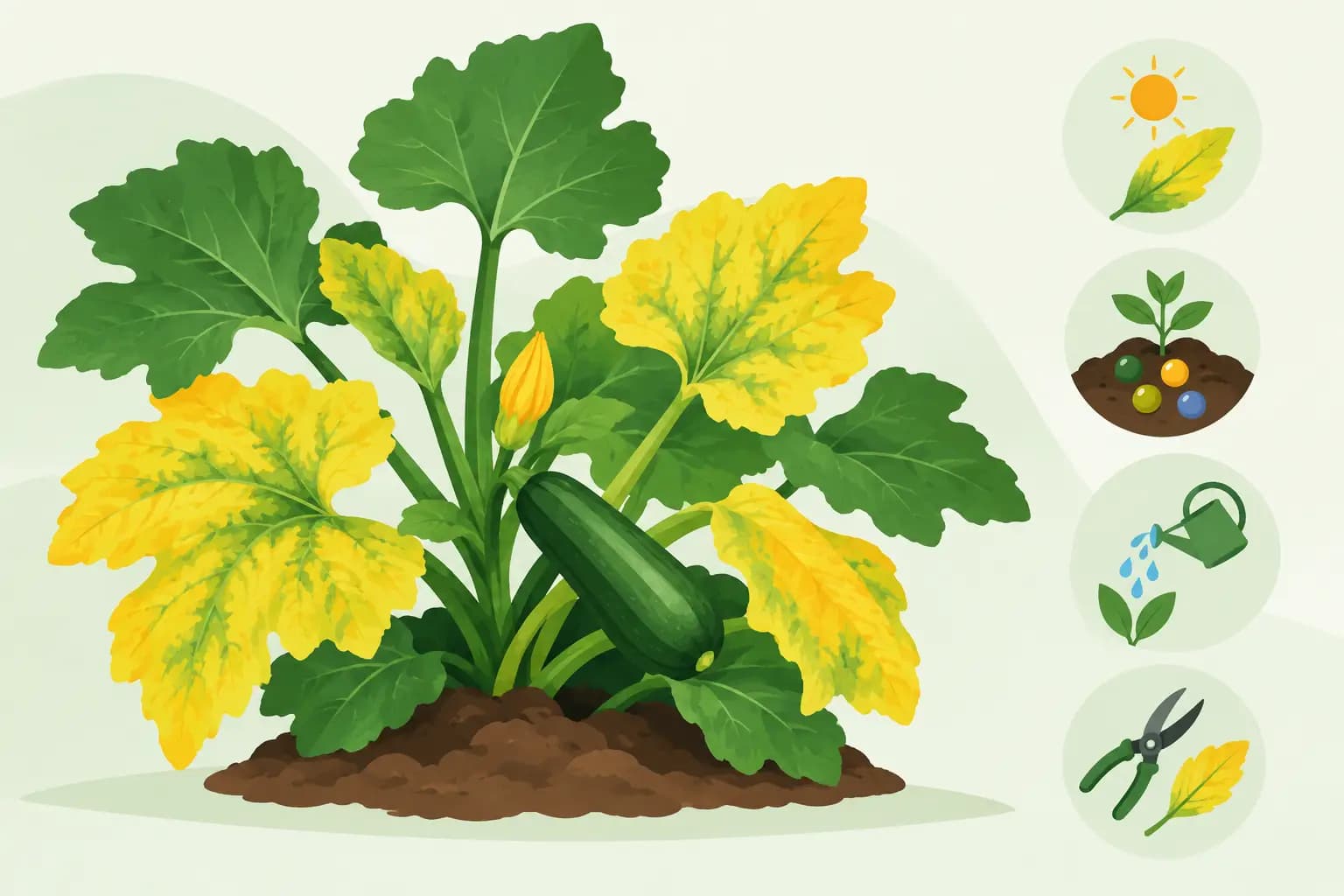
Clear only the beds you intend to replant. Pull spent cucumber vines, beans, or squash, remove diseased leaves, and add a thin layer of compost. You do not need to rebuild every bed in one weekend. A 15-minute reset of one four-by-eight-foot bed is enough to get greens and radishes moving.
Then look at the forecast before watering. A week of rain means new seedlings may need better drainage, not another soak. A hot, dry stretch means germinating seed is the priority. Mark planting dates by bed, especially if you are succession-sowing. Tomatograph can keep those dates, frost risk, and the next care task in one weekly plan, so you are not trying to remember which row was planted when.
Protect the Harvest, Not Just the Plants
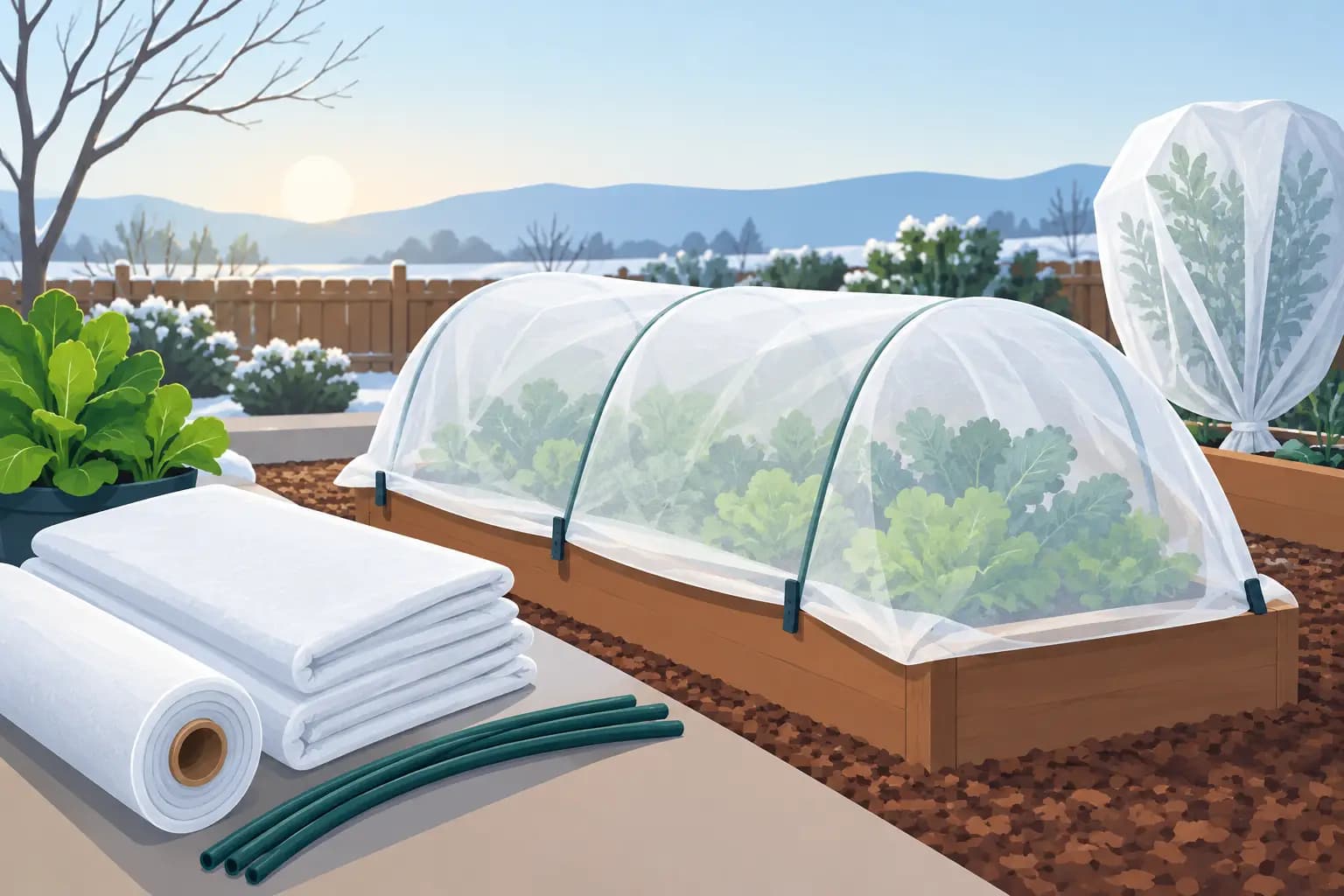
A light frost is usually a benefit for kale, spinach, carrots, beets, and turnips. Tender lettuce may need protection, while basil, peppers, and tomatoes need harvesting or covering before cold arrives. Keep row cover, clothespins, and a few stakes where you can reach them quickly. On a calm afternoon before a cold night, it is a five-minute job. At 9 p.m. in dropping temperatures, it becomes a chore you may skip.
Water soil earlier in the day before a freeze if it is dry. Moist soil holds more heat than dusty soil. Do not fertilize heavily late in the season to force growth. Tender new growth is more vulnerable, and most fall crops benefit more from steady moisture, clean beds, and protection at the right moment.
Plant one dependable row this week, even if your larger fall plan is not finished. A few radishes, lettuce seedlings, or kale transplants turn an empty late-summer bed into a garden with a next meal waiting in it.