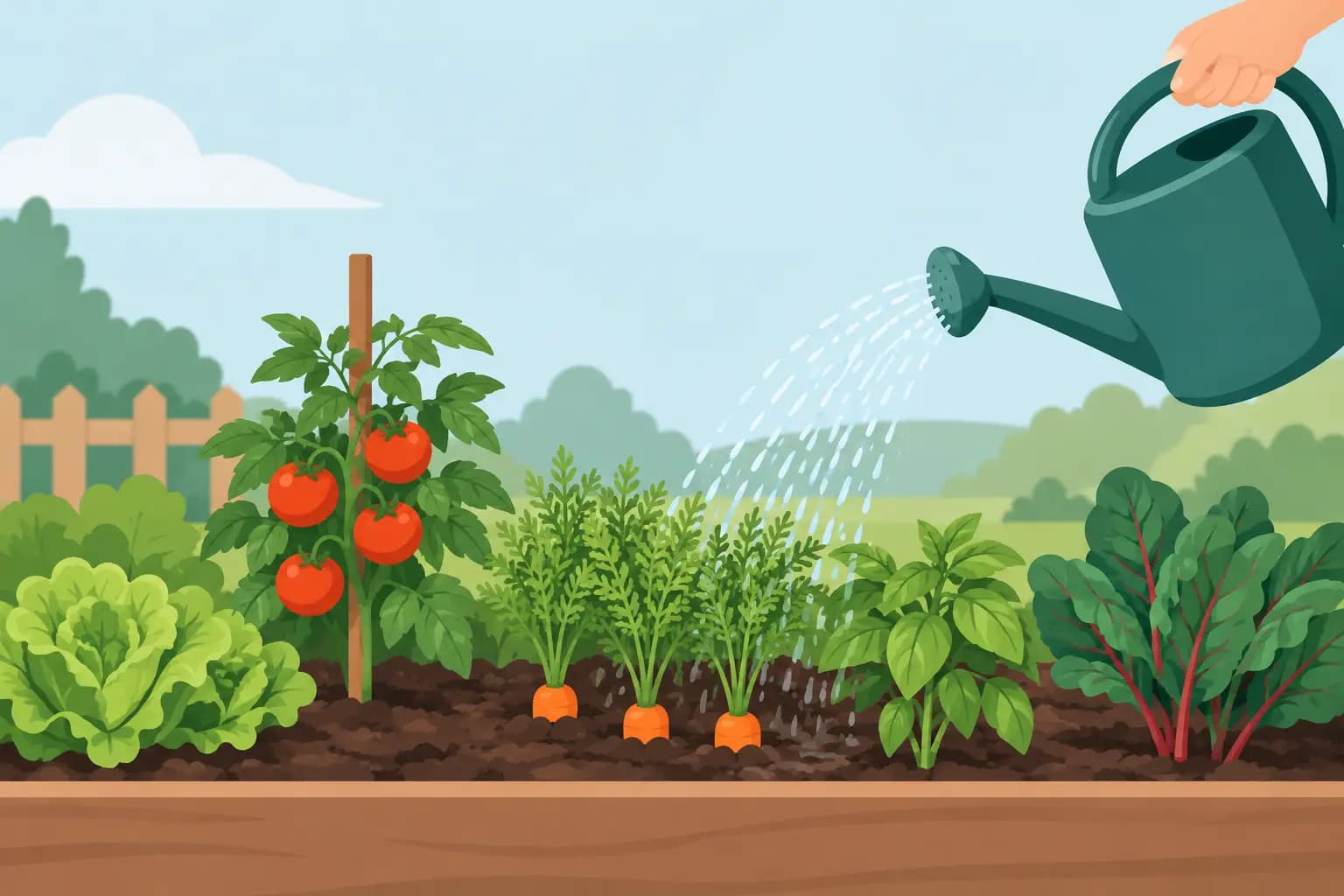
When to Cover Plants for Frost Overnight
6 min read
A forecast low of 36°F can still turn into damaged basil, blackened bean leaves, and a disappointing morning in the garden. Knowing when to cover plants for frost is less about waiting for the forecast to say 32°F and more about acting before cold settles into your yard.
For most backyard gardens, the useful deadline is simple: if tender plants are outside and the forecast is headed toward 36°F or lower, prepare to cover them before sunset. If the forecast calls for 32°F or below, cover frost-sensitive crops or bring them inside. That small buffer accounts for the fact that your garden can be colder than the official forecast, especially in low spots, open beds, and calm, clear conditions.
When to Cover Plants for Frost: Use the Forecast as a Trigger
Weather stations report air temperature at a standardized height, not the temperature at the leaf level in your backyard. On a clear, still night, heat escapes from soil and foliage into the open sky. Plant surfaces can reach freezing even when the reported low remains a few degrees above it.
That is why a predicted low of 36°F deserves attention. It does not mean every garden will frost, but it is the point to check your crop list, your microclimates, and the type of night ahead. A sheltered bed beside a warm south-facing wall may be fine. A raised bed in an exposed part of the yard may not be.
Cover tender crops when the forecast is 36°F or lower, especially if the night is clear and wind is light. Take action sooner when your garden sits at the bottom of a slope, where cold air collects, or when nearby lawns and car roofs frequently frost before the weather app shows 32°F.
A frost advisory means conditions favor surface frost. Treat it as a cover-tonight alert for tender vegetables and herbs. A freeze warning means temperatures are expected to reach 32°F or below. At that point, light fabric may protect cold-tolerant crops from a brief freeze, but tender summer plants need more than optimism.
Know Which Plants Need Help Tonight
Not every plant in the bed needs the same response. Covering everything wastes time and can create a damp, crowded mess the next morning. Start with crops that are easily injured by cold.
Basil, tomatoes, peppers, eggplant, beans, cucumbers, squash, melons, sweet potatoes, and newly planted warm-season seedlings are the first priority. Basil is particularly unforgiving. It can darken after a chilly night even when temperatures stay just above freezing.
Lettuce, spinach, kale, broccoli, cabbage, peas, carrots, beets, radishes, and many established herbs tolerate much more cold. A light frost often improves the flavor of kale and carrots. You may still cover young seedlings if a hard freeze is expected, but these crops do not need the same emergency response as a tomato patch.
Containers deserve separate attention. Their roots are surrounded by less soil, so they lose heat faster than plants in the ground. Move potted basil, peppers, citrus, and tender herbs close to the house, into a garage, or under protected cover before nightfall. A pot against a wall is easier to protect than a pot left in the middle of the patio.
Cover Before Sunset, Not After the Frost Arrives
Aim to cover plants in the late afternoon or early evening, once foliage has dried but before temperatures drop sharply. This usually takes fifteen to thirty quiet minutes for a small food garden if your materials are ready.
Covering early lets the soil release its stored daytime warmth beneath the fabric. Waiting until plants are already coated in frost does little good. The goal is not to create a heated greenhouse. It is to trap enough ground heat and block enough radiational cooling to keep leaves a few degrees warmer.
Water the soil earlier in the day if it is dry and no heavy rain is expected. Moist soil holds more heat than powder-dry soil, then releases that heat gradually overnight. Do not soak stressed plants at dusk just to prepare for frost. Wet foliage and a rushed setup are not a reliable protection plan.
Choose a Cover That Holds Warmth Without Crushing Plants
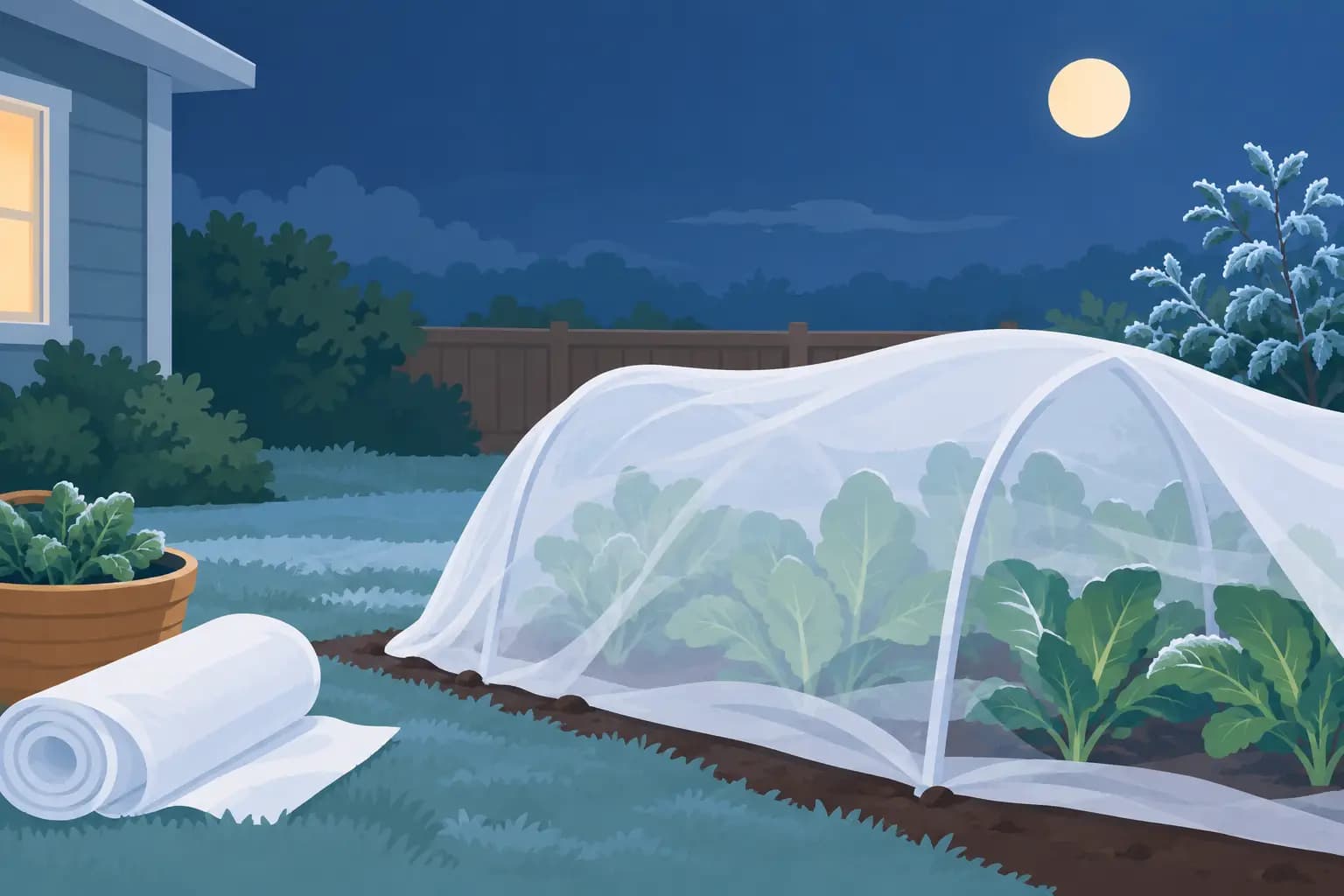
Frost cloth, row cover fabric, old sheets, lightweight blankets, and burlap can all work for a short cold spell. The most effective setup drapes material all the way to the ground and secures the edges with rocks, boards, clips, or soil. Gaps let warm air escape.
If possible, use hoops, stakes, tomato cages, or a simple frame to keep fabric off the leaves. A cover touching foliage can still offer protection, but the point of contact is more vulnerable when temperatures fall hard. A low tunnel over a bed creates a better pocket of warmer air than a sheet thrown directly over plants.
Plastic needs care. It can be useful as an outer layer over fabric, particularly during a freeze, but clear plastic resting directly on leaves can transfer cold and cause damage. It also traps moisture and can overheat plants quickly after sunrise. If plastic is what you have, keep it suspended above the crop and remove or vent it promptly in the morning.
Avoid relying on thin trash bags for garden beds. They tear, trap condensation, and rarely cover enough ground to hold warmth. For one small potted plant, a bag supported by stakes may get it through a light frost. For a vegetable bed, fabric and a secured ground seal are the better use of your effort.
Match the Protection to the Type of Cold
A light frost is usually a short dip near 32°F. A single layer of row cover or a sheet may be enough for tender plants, provided it reaches the soil and the night is not unusually cold.
A hard freeze, generally 28°F or lower for several hours, changes the decision. Double up fabric layers, use a low tunnel, move containers indoors, and harvest ripe or nearly ripe warm-season crops. Tomatoes and peppers can sometimes survive a brief, protected cold night, but repeated freezing weather signals the end of their useful outdoor season in most regions.
Wind also matters. A breezy night is less likely to produce classic frost because air mixes, but wind strips warmth from exposed plants and can lift loose covers. Secure the edges well. Cloud cover, meanwhile, acts like a blanket and may keep temperatures from falling as far as predicted. It helps, but it is not a reason to ignore a freeze warning.
Check the Garden Again in the Morning
Remove fabric after temperatures rise safely above freezing, ideally once sunlight has warmed the air and the cover is no longer needed. On a bright morning, covered plants can heat up surprisingly fast. If the day will remain cold, leave breathable row cover in place, but uncover plastic or vent it early.
Do not judge damage immediately. Frost-injured leaves may look limp, water-soaked, or dark within hours, yet the growing point and stems may survive. Wait a day or two before pruning. Removing damaged foliage too quickly can expose still-living tissue to the next cold night.
If your basil or bean plants are badly blackened, pull the damaged plants and use the cleared space for cold-season crops. If a tomato plant has only minor leaf damage and another mild night is expected, keep it covered and let it show you whether the stems are still alive.
Make Frost Protection a Repeatable Routine
The stressful part of a cold snap is rarely the cover itself. It is realizing at 9 p.m. that the sheets are in a closet, the clips are missing, and you cannot remember which bed holds the peppers. Keep frost cloth or clean sheets, ground weights, clips, and a few hoops together near the garden.
Then make one quick evening decision: bring in the containers, cover the tender bed, and leave the kale alone. A weather-aware garden plan, such as the alerts in Tomatograph, can turn that decision into a timely task instead of one more thing to monitor after work.
Your garden does not need a perfect response to every chilly forecast. It needs the right protection on the plants that cannot afford a cold night, placed there while there is still warmth in the soil.