How to Plan Weekly Garden Chores Without Chaos
6 min read

A garden can ask for attention every day, but that does not mean you need a daily, open-ended to-do list. The better approach is to plan weekly garden chores around what is time-sensitive: a cold night, dry soil, ripening fruit, a disease outbreak, or a lawn that is ready to mow. Everything else can wait.
For most home gardeners, the goal is not to complete every possible task. It is to make a few good decisions before small problems become expensive, frustrating, or irreversible. A calm weekly plan protects your harvest and leaves more room to enjoy the yard.
Start with the week ahead, not a generic checklist
A printed garden checklist can be useful, but it cannot know that your area is getting two inches of rain on Tuesday or that temperatures will fall to 34°F on Thursday night. Weekly chores should begin with your local forecast and the condition of your garden right now.
Set aside ten minutes at the start of the week to look at the next seven days. Pay attention to overnight lows, rain totals, wind, heat, and sudden temperature swings. Then walk through your garden with a simple question: what will need attention before the next weather event?
If a frost is coming, covering basil matters more than fertilizing tomatoes. If steady rain is expected, skip routine watering and check whether containers have clear drainage. If a hot, dry stretch is coming, deeply water young transplants before the stress arrives rather than trying to rescue them afterward.
This is the difference between maintaining a garden and reacting to one.
Build your weekly plan around three priorities
A manageable garden plan has three categories: urgent protection, crop-stage care, and maintenance. Keeping those separate prevents routine work from crowding out the task that matters most.
1. Handle urgent protection first
Urgent work has a deadline. It includes frost protection, watering plants in dangerously dry soil, securing a greenhouse before high wind, harvesting produce before it splits or freezes, and responding to a fast-moving pest or disease issue.
These jobs are often short. Covering a bed of peppers may take fifteen quiet minutes. Bringing herb pots near the house may take five. The value comes from doing them at the right time.
Do not fill your schedule with preventive tasks while an urgent issue is visible. A few yellow lower tomato leaves can wait for closer inspection. Wilting seedlings after three hot days cannot.
2. Match chores to each plant's growth stage
The same crop needs different care at different points in the season. A weekly plan becomes much more useful when it reflects that shift.
Young seedlings need moisture checks, gentle support, and protection from cold or pests. Fast-growing leafy greens need regular harvesting before they become bitter or bolt. Fruiting crops such as tomatoes, peppers, cucumbers, and squash need support, airflow, and a close eye on developing fruit. Near the end of the season, harvest timing and frost planning become the priority.
Avoid treating every bed the same. A newly planted lettuce row may need water while established rosemary does not. Cucumbers may need trellising this week, while garlic needs almost nothing. The best plan tells you where to spend your limited time, not just what gardening tasks exist.
3. Fit maintenance into the time left
Maintenance matters, but it is flexible. Weeding, edging, tidying pathways, cleaning pots, turning compost, and organizing tools usually belong after weather-sensitive care is handled.
This does not mean letting the garden become overgrown. It means choosing a realistic boundary. If you have thirty minutes after work, water the dry container herbs, harvest ripe zucchini, and pull weeds from the bed where they are competing with young plants. Do not start a full-yard cleanup you cannot finish.
A garden often looks calmer when you complete one defined area well than when you scatter effort across ten jobs.
Use a short weekly garden chore list
Your list should be brief enough to complete, not a catalog of everything you could do. For many gardens, five to seven tasks is plenty. If the list is longer, sort it by urgency or move lower-value work to next week.
A practical weekly plan might look like this:
- Monday evening: Deeply water pepper containers before the heat arrives. Check soil two inches down first. Estimated time: 10 minutes.
- Wednesday: Tie tomato leaders to supports and remove leaves touching the soil. Estimated time: 15 minutes.
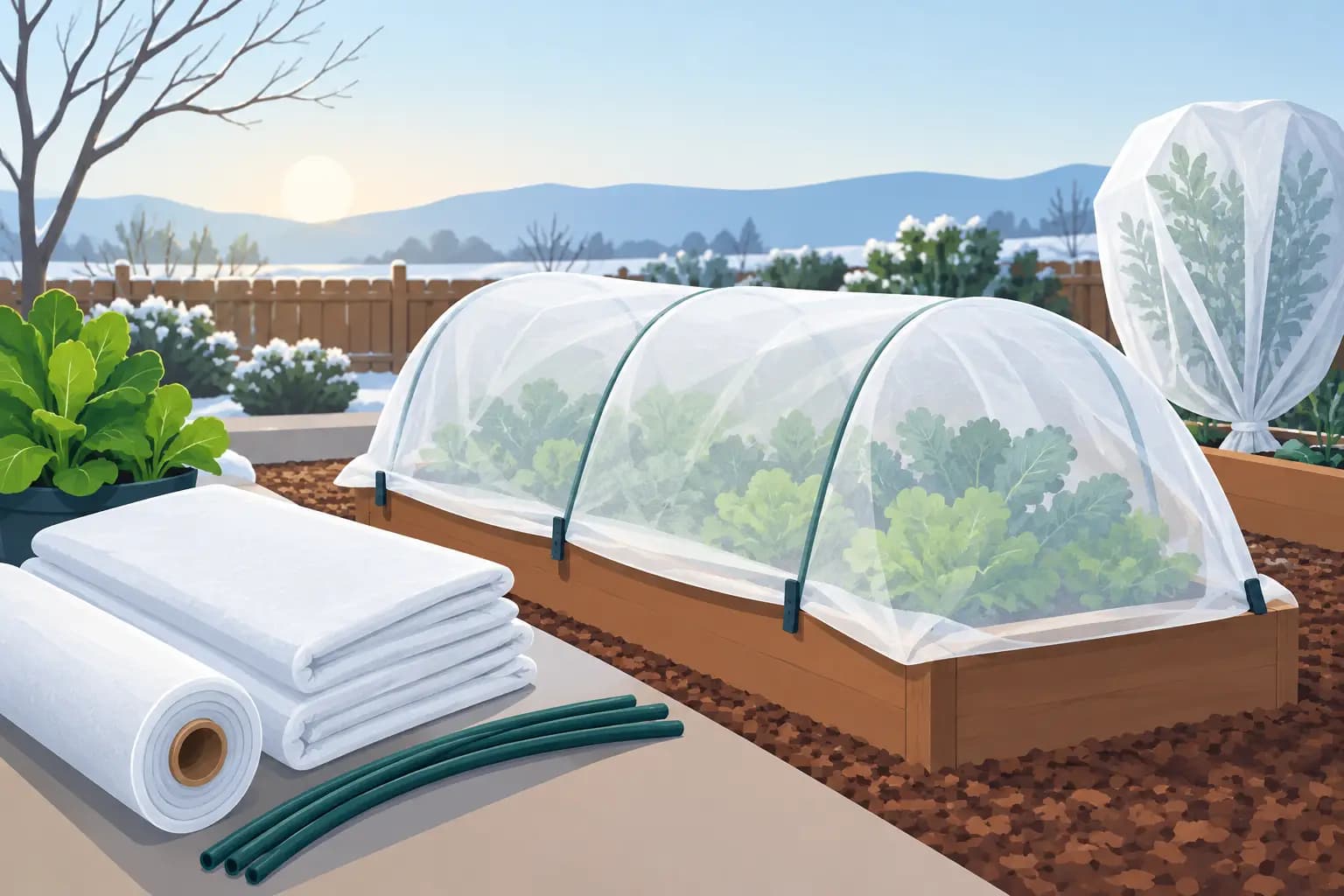
- Thursday before sunset: Cover basil and peppers for a 36°F overnight low. Estimated time: 15 minutes.
- Saturday morning: Harvest beans, zucchini, and mature herbs. Check squash leaves for powdery mildew. Estimated time: 25 minutes.
- Sunday: Mow the lawn only if grass is dry and no more than one-third of the blade will be removed. Estimated time: 30 minutes.
Notice that every task has a reason, a timing cue, and an expected duration. That makes it far easier to begin.
Plan by garden area, not by plant name alone
If you grow vegetables, herbs, a lawn, and greenhouse plants, a plant-by-plant list can become noisy fast. Group work by area when the tasks naturally belong together.
For example, a vegetable-bed visit may include checking moisture, harvesting, tying tomatoes, and looking under squash leaves. A container visit may include watering, feeding, and moving tender herbs for weather protection. A greenhouse visit might involve venting in the morning, checking for aphids, and confirming that the irrigation system is working.
This approach reduces repeated trips and helps you notice patterns. If one bed dries much faster than the others, you may need more mulch, improved soil, or a different watering schedule. If the lawn is thinning near a fence, mowing is not necessarily the answer. Shade, compaction, or turf type may be the real issue.
Let rain change the plan
Rain should change more than whether you water. A wet forecast affects mowing, pruning, disease checks, greenhouse ventilation, and how much traffic your beds can handle.
Avoid mowing wet grass when possible. It can clump, compact the soil, and leave an uneven cut. Avoid working wet vegetable soil, especially clay-heavy beds, because walking and digging can damage its structure. If tomato or squash leaves stay wet for long periods, add a disease check to your plan and improve airflow where you can.
On the other hand, rain can create useful opportunities. It softens soil for hand-pulling weeds, refills water barrels, and reduces the need for irrigation. The trade-off is that a rainy week may require more scouting and less tidying.
Keep notes that earn their place
You do not need a garden journal full of perfect observations. Record only details that will improve next week's decisions: when you watered deeply, what you fertilized, the first harvest date, a pest you found, or a plant that looked stressed.
Photos are especially useful for slow-moving problems. A picture of a tomato leaf spot, pale lawn patch, or curling pepper foliage gives you something to compare next week. You can tell whether the problem is spreading, improving, or simply changing with the season.
Tomatograph can turn weather, plant stages, garden areas, and your own observations into a focused weekly action plan. But whether you use an app, a notebook, or a note on the refrigerator, the principle is the same: track enough to make the next decision easier.
Make room for the jobs that can wait
Some garden tasks are satisfying precisely because they are not urgent. Pruning back an overgrown herb, washing trays, building a better trellis, or planning a new bed can be weekend work when you have the energy for it.
Keep those jobs in a separate “when there is time” list. That protects them from being forgotten without letting them compete with a frost warning or a thirsty crop. It also gives you a productive option when the week's urgent work is done early.
A good weekly plan should leave you with a clear next move, not the feeling that your yard is another inbox. Check the forecast, protect what is vulnerable, care for plants at the stage they are in, and let the rest wait its turn. Your garden does not need constant attention. It needs timely attention.