Fall Garden Planning for a Calmer October
6 min read
The first cool night is not the signal to panic-clean the garden. It is the signal to make a few time-sensitive decisions. Good fall garden planning separates what must happen before frost from what can wait until a quiet Saturday in November. That difference protects your harvest, your soil, and your attention.
Start with your actual forecast, not the calendar. A first frost date is a useful planning marker, but it is an average, not a promise. A low-lying backyard, an exposed raised bed, and a sheltered greenhouse can experience very different temperatures on the same night. Check the next 10 days, walk your beds, and give each space a job: keep producing, harvest now, protect, or clear.
Start Fall Garden Planning With a 20-Minute Walkthrough
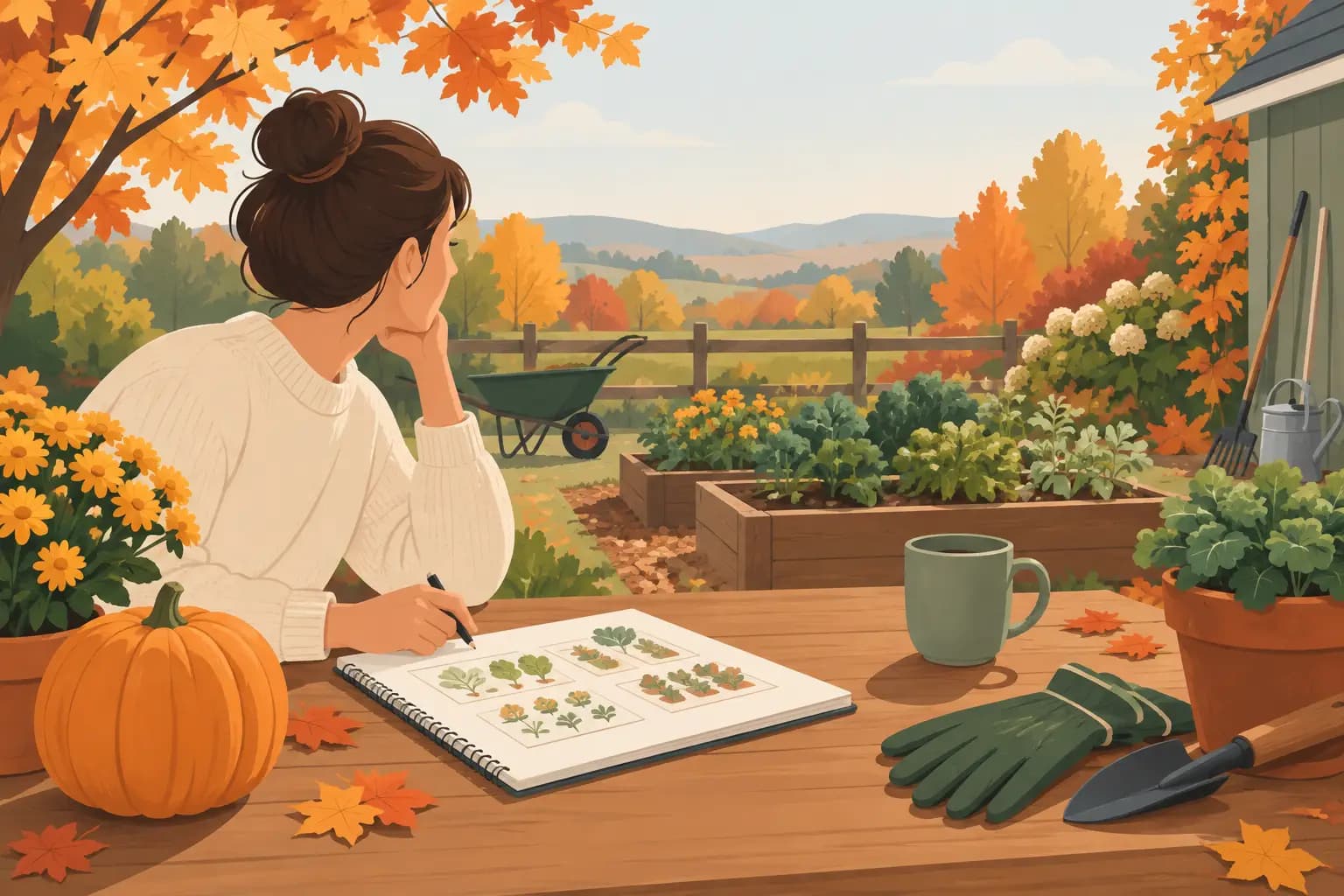
Bring a basket, a notebook, or your phone, and make one pass through the yard before you buy seed, spread compost, or pull a single plant. Look for ripe fruit, healthy late-season crops, plants that are declining, empty spaces, and tools or covers you will need soon. The goal is not a complete inventory. It is a short list of decisions.
Begin with the harvest that will not improve by waiting. Tomatoes with color, peppers at usable size, mature beans, basil, cucumbers, and winter squash with hardening rinds all deserve a close look. Cool weather can improve the flavor of kale, carrots, broccoli, and many leafy greens, so do not clear those beds simply because summer is ending.
Then identify tender plants. Basil is usually the first obvious deadline. It does not tolerate frost, and a chilly night can darken leaves before a true freeze arrives. If a cold front is coming, harvest it, bring a container indoors, or cover it before Thursday night rather than discovering the damage Friday morning.
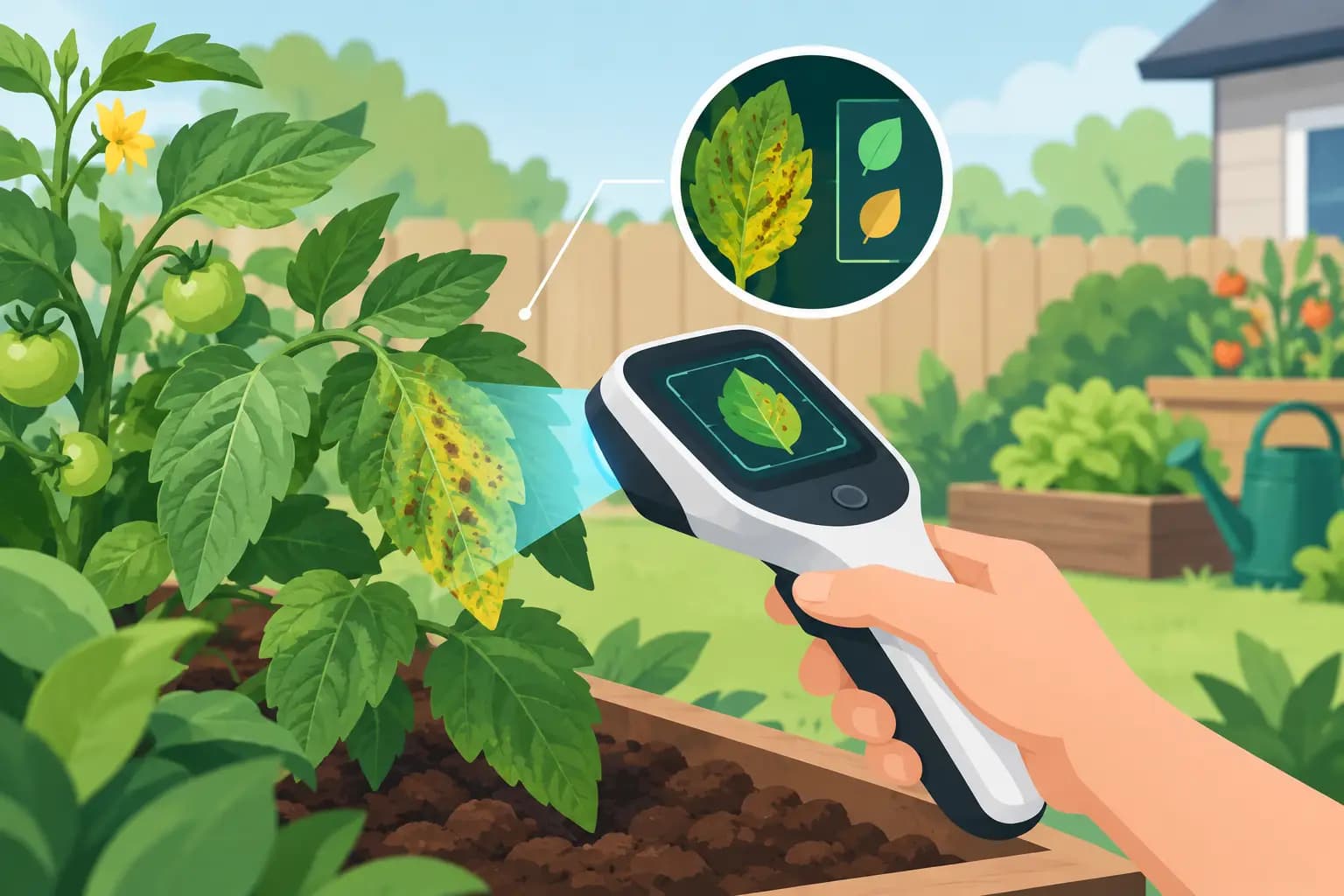
Finally, note problems that should not be carried forward. Remove tomato plants with obvious blight, squash vines heavily affected by powdery mildew, and diseased leaves that have fallen around susceptible crops. Healthy plant material can be composted in many home systems, but heavily diseased material is better handled according to local yard-waste guidance. The trade-off is simple: saving every scrap of organic matter is less valuable than reducing disease pressure next year.
Use Frost Dates as Deadlines, Not Decorations
The average first fall frost helps you decide which jobs belong at the top of the list. Count backward from it to plan final sowings, harvests, and protection. But use the forecast to decide the exact evening you act.
A light frost around 32°F may damage tender plants while leaving hardy crops mostly untouched. A hard freeze, generally around 28°F or lower for several hours, is a different event. It can end tomatoes, peppers, basil, beans, and many flowers, while kale, spinach, carrots, and established brassicas often continue with little trouble.
Protect only what is worth protecting
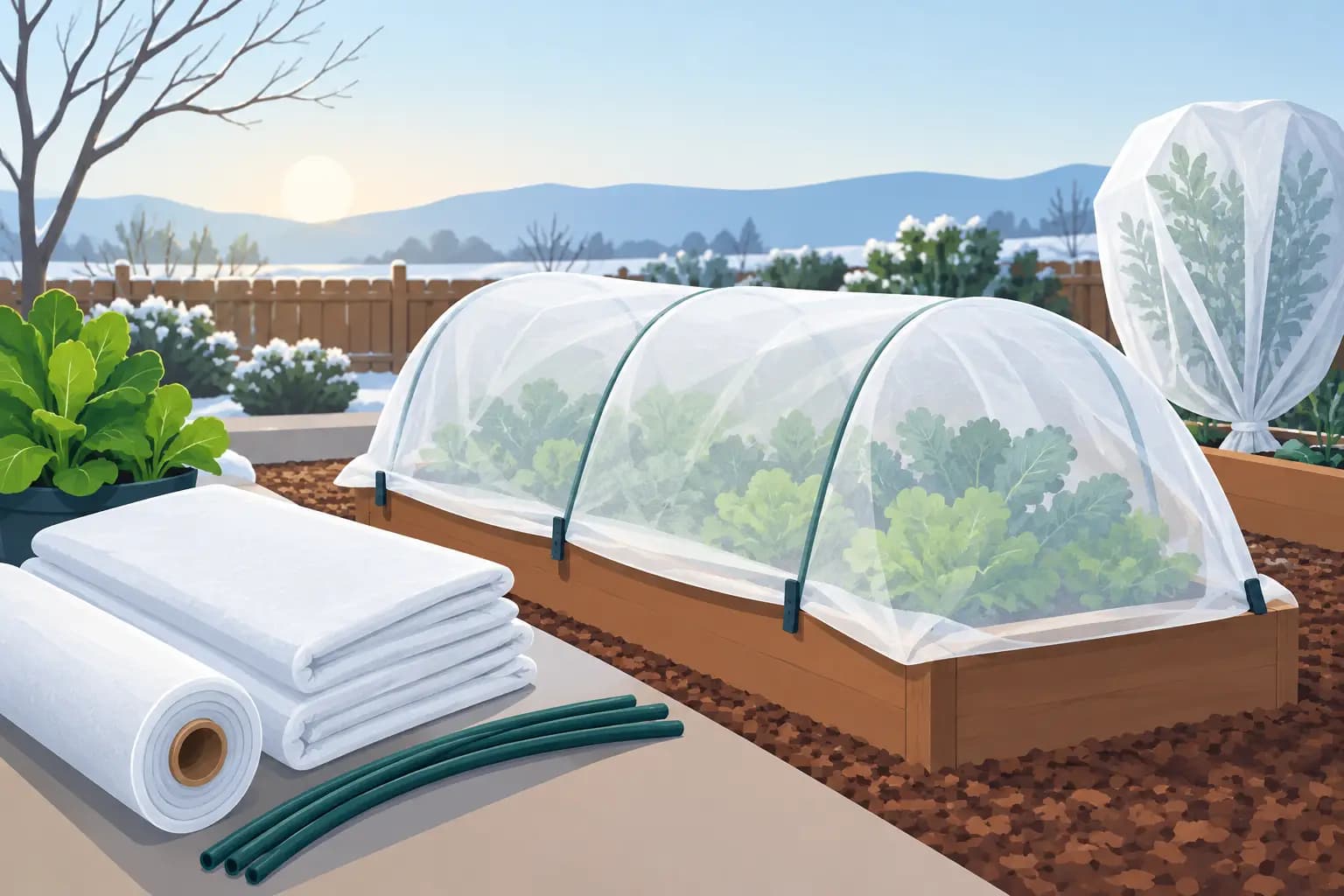
Covering every bed is tiring and often unnecessary. Save your effort for plants with productive weeks still ahead, a crop you rely on for meals, or a plant you are trying to overwinter. Use frost cloth, sheets, or lightweight row cover supported by hoops where possible. The cover should reach the ground and trap warmth rising from the soil. Plastic can work in a pinch, but do not let it touch foliage, and remove it once the sun is up so heat and condensation do not create a new problem.
Containers need special attention because their roots lose heat faster than roots in the ground. Group pots near the house, move tender herbs into a garage or enclosed porch for the night, or bring them indoors when the forecast warrants it.
If you have a small greenhouse, do not assume it is automatically frost-proof. Check its overnight low with a thermometer. Close vents before cold weather arrives, seal obvious gaps, and use water-filled containers as modest thermal mass. A greenhouse extends options, but an unheated one still follows the weather.
Decide What to Plant and What to Let Rest
Fall planting is not one universal task. In warmer parts of the US, it can be the main season for lettuce, peas, carrots, beets, brassicas, and herbs such as cilantro. In colder regions, late summer and early fall planting is mostly about quick greens, overwintering garlic, and cover crops. Your remaining growing days matter more than an online planting chart written for another climate.
For quick returns, sow leafy greens in an open bed with dependable moisture. Spinach, arugula, lettuce mixes, radishes, and baby kale can provide small but useful harvests when planted early enough. Row cover can help extend that window, especially once nights cool.
Garlic is a different kind of fall task. It goes into the ground in fall, then waits. Planting after the worst heat has passed but before the soil freezes lets roots establish without pushing too much top growth. Mulch after planting if your winters are cold or your soil heaves during freeze-thaw cycles.
An empty bed does not always need another food crop. If you are tired of weeding it, cover the soil. A layer of chopped leaves, straw, or finished compost protects soil structure, moderates temperature swings, and reduces winter erosion. A cover crop can do even more, but only if you can seed it early enough for meaningful growth and are prepared to terminate it in spring. If timing is late, mulch is usually the calmer, more reliable choice.
Clean Up Strategically, Not Perfectly
A completely bare garden can look tidy, but it is not always the best outcome. Soil left exposed is vulnerable to rain impact, nutrient loss, weeds, and erosion. Some stems, seed heads, and leaf litter also shelter beneficial insects through winter. The useful standard is not spotless. It is healthy and manageable.
Pull annual vegetables once they are spent, especially if pests or disease were severe. Cut back plants that are collapsing onto paths. Keep sturdy, healthy perennials and leave some habitat at the edges of the garden when it will not create a disease issue.
Do not turn soil just because fall has arrived. Repeated tilling can damage soil structure and bring dormant weed seeds to the surface. If you need to remove old crop roots, pull them gently or cut them at soil level. Add compost on top, then let worms, weather, and roots do some of the work.
This is also the right time to label beds while you still remember what grew where. Crop rotation does not need to be a complicated spreadsheet. Simply avoid putting closely related crops in the same spot year after year when you can. Keeping tomatoes, peppers, potatoes, and eggplants from repeating the same bed is especially helpful where soil-borne diseases have appeared.
Give Lawn Care a Place on the Same List
The lawn should not hijack vegetable-garden season, but fall is often its most useful care window. Cool-season grasses such as tall fescue, Kentucky bluegrass, and perennial ryegrass recover well from early fall overseeding and fertilizing. Warm-season lawns have different timing and should not be pushed into lush late growth as they prepare for dormancy.
Mow as needed, but avoid scalping. Keep leaves from forming a thick, wet mat over turf, especially after rain. Mulching dry, shredded leaves into the lawn can return nutrients, while heavier leaf cover is better collected for garden mulch or compost.
If you are overseeding a cool-season lawn, the details matter: seed-to-soil contact and consistent moisture are more important than simply scattering extra seed. This is a job worth scheduling around rain and your ability to water. A bag of seed spread before a dry week is mostly wishful thinking.
Build a Weekly Fall Routine
Fall gardens are easier when you stop treating them as one giant seasonal project. Give yourself a short weekly review: check the forecast, harvest what is ready, inspect covers and greenhouse vents, pull obvious diseased foliage, and make one soil-improving move. Most weeks, that is fifteen to thirty minutes.
A weather-aware plan can reduce the guesswork further. Tomatograph can turn local frost risk, recent rain, crop stage, and your garden notes into a focused list, so the message becomes practical: harvest peppers tonight, skip watering after Saturday's rain, cover basil before the cold front, and sow spinach in the open bed this weekend.
The best fall garden is not the one that gets cleared in a single heroic afternoon. It is the one that enters winter with food harvested, tender plants protected or released, soil covered, and next spring made a little easier.