Drip Irrigation Versus Hand Watering: Which Wins?
6 min read
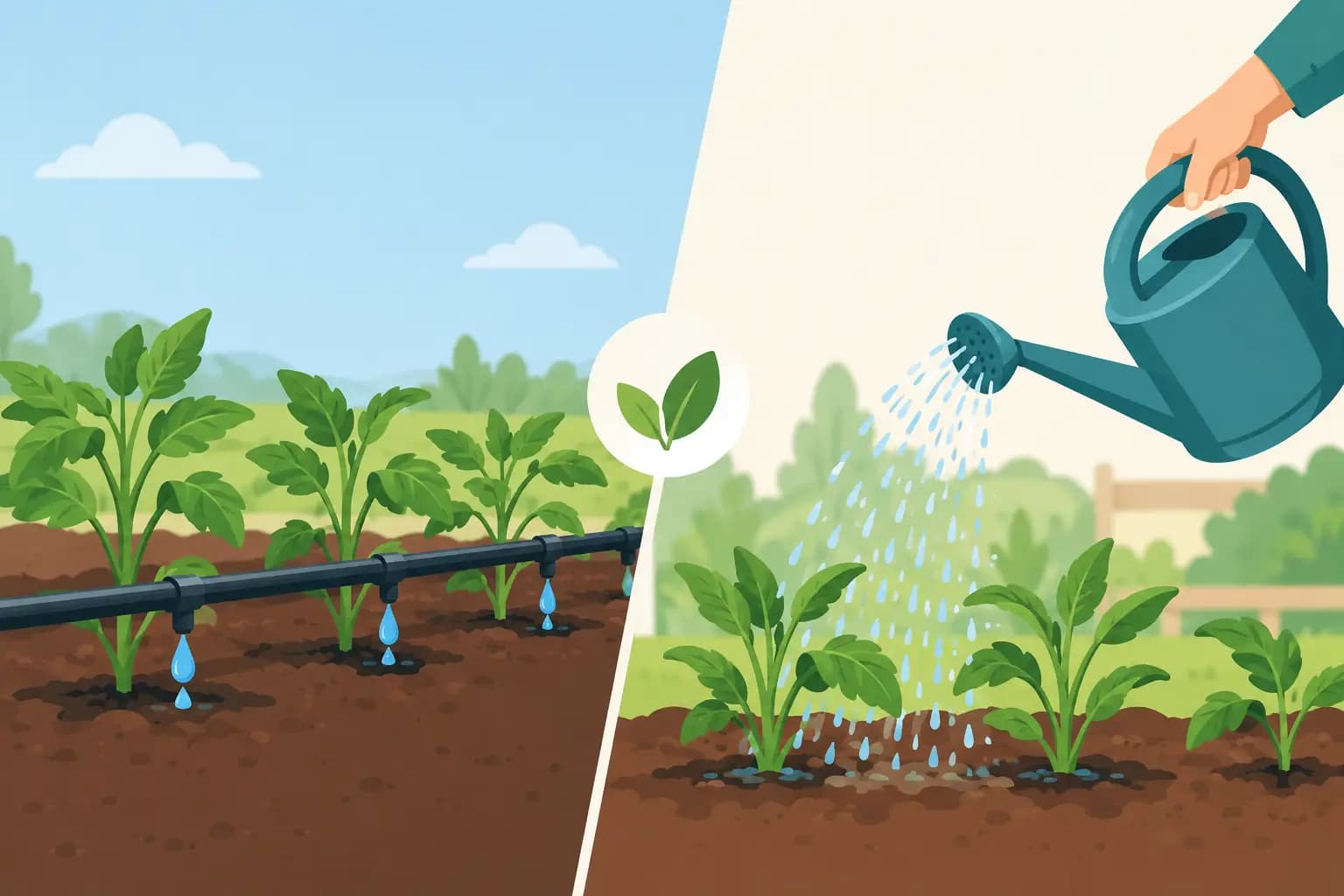
A tomato plant wilting at 5:30 p.m. can make any watering method feel urgent. But drip irrigation versus hand watering is not really a contest between technology and tradition. It is a decision about where your time goes, how reliably water reaches roots, and whether your garden can keep moving when work, travel, heat, or a surprise storm changes the plan.
For a few containers by the back door, hand watering may be exactly right. For several raised beds, thirsty tomatoes, and a lawn competing for attention, drip irrigation can turn a nightly scramble into a short check-in. The best setup is often not one method alone. It is a dependable base routine with enough flexibility to respond to what your plants are telling you.
Drip Irrigation Versus Hand Watering: The Real Difference
Drip irrigation delivers water slowly at or near the soil surface through tubing, emitters, or soaker-style lines. The goal is to wet the root zone with little runoff and less water landing on leaves. It is especially useful for vegetables planted in rows, permanent herb beds, fruiting crops, and greenhouse growing areas.
Hand watering puts you in direct control. You can soak one dry pepper, skip a bed that caught an inch of rain, or give a newly transplanted cucumber extra water without running an entire system. It also gives you a reason to look closely at your garden. That daily walk can reveal chewed leaves, a leaning trellis, or the first pale patch of powdery mildew before it becomes a bigger job.
The trade-off is consistency. A hose and watering wand work well when you have time and remember to use them. They become less reliable during a heat wave, a long workweek, or a weekend away. Drip systems are better at repeating a plan, but they cannot notice that one emitter is clogged or that yesterday's storm already did the watering for you.
Water Use: Drip Usually Has the Advantage
Water applied slowly to soil has more time to soak in. That matters in raised beds, sandy soil, and sloped yards where a fast spray can run past the roots before plants benefit. Drip irrigation also limits evaporation from wet foliage and bare paths, particularly during hot, windy afternoons.
Hand watering can be just as efficient when it is done deliberately. Water at the base of plants, move slowly enough for moisture to penetrate, and stop when the root zone is wet rather than when the bed surface looks dark. The problem is that a tired gardener often sprays broadly and moves on. A quick shower may settle dust, but it may not reach the deeper roots that keep plants steady through tomorrow's heat.
For water-hungry crops such as tomatoes, squash, cucumbers, and corn, drip is usually the more predictable choice. For a small patch of lettuce, basil, and parsley within arm's reach of the kitchen, hand watering may use little water and take less than five minutes.
Plant Health Depends on Timing, Not Just the Tool
Most edible plants prefer even soil moisture. Big swings from dry to soaked can contribute to stress, cracked tomatoes, bitter greens, and uneven growth. Drip irrigation helps prevent those swings because it can run on a repeatable schedule.
That does not mean a timer should decide everything. A fixed schedule can overwater after several rainy days or keep running when cool weather has slowed plant growth. Before watering, push a finger two to three inches into the soil. If it is cool and moist at that depth, wait. If it is dry and crumbly, water deeply.
Hand watering has a practical advantage for seedlings and newly planted crops. Young roots occupy a small area, so a broad drip zone may leave them too dry between emitters. For the first week or two after transplanting, check each plant and water the immediate root area as needed. Once roots spread, drip becomes more effective.
Leaf disease is another consideration. Watering foliage late in the day can leave leaves wet overnight, creating friendlier conditions for fungal problems. Drip avoids much of that issue. If you use a hose, aim low and water early enough for splashed leaves to dry before evening.
Time: Count the Quiet Minutes, Not Just the Installation
A basic drip system takes planning. You need a connection at the spigot, a pressure regulator, filter, mainline tubing, and drip lines or emitters suited to the bed layout. Expect an afternoon for a simple raised-bed system and longer if you are running lines through several garden zones.
Once it is installed, the routine changes. Instead of standing outside for 20 or 30 minutes every other evening, you may spend five minutes checking soil moisture, looking for leaks, and adjusting for weather. That is not hands-off gardening. It is less repetitive watering and more useful observation.
Hand watering has almost no setup cost beyond a hose, nozzle, or watering can. It is also easier to change day to day. If you garden in one or two beds and enjoy the end-of-day walk outside, automation may not save enough time to justify the installation.
The deciding question is simple: what happens when you miss two watering windows? If your answer is stressed plants, dry containers, and a catch-up job on Sunday, drip can buy back a great deal of calm.
Cost and Maintenance Are Real Trade-Offs
Drip irrigation costs more upfront than a hose. The expense rises with the number of beds, zones, timers, and connectors you need. Cheap parts can also create frustration if fittings pop apart or emitters clog after one season.
Still, a modest system can last for years if you maintain it. Flush lines at the start and end of the season, check the filter, repair chewed or kinked tubing, and look at every bed occasionally while the water is running. In freezing climates, disconnect and drain exposed components before hard freezes.
Hand watering has its own cost: time and attention. It can be the right cost to pay when your garden is small, experimental, or changing often. It becomes expensive when watering competes with dinner, kids' activities, travel, or a packed week at work.
A Practical Choice for Common Garden Setups
Use drip as the primary system when you have multiple raised beds, long in-ground rows, a greenhouse, or crops that need steady moisture through summer. Tomatoes, peppers, cucumbers, melons, and beans are good candidates. Set the system to water deeply, then adjust based on rainfall, soil type, and plant growth stage.
Choose hand watering as the primary method for containers, seedling trays, newly planted areas, and small herb gardens. Containers dry unevenly and often need individual attention. Basil in a black pot may need water while rosemary in a larger clay pot does not.
A hybrid approach is often the most sensible answer. Let drip handle established beds, then use a watering can for seedlings, containers, and plants that need extra help. This preserves the efficiency of automation without treating every plant as if it has the same needs.
Make the Watering Decision Before the Plants Ask
Check your garden after rain instead of assuming the forecast solved the job. A brief summer shower may wet mulch while leaving soil below dry. Check moisture in more than one place, especially if one bed gets more sun or wind than another.
Then give yourself a short weekly routine: inspect drip lines, test a few emitters, check soil depth, and note which crops are entering a thirsty growth phase. A weather-aware plan, such as the one Tomatograph helps organize, can flag when heat, rain, or a cold night should change that routine.
The right watering method is the one you can maintain without turning your garden into another open task. Build a system that handles the predictable work, then save your hands-on time for the moments when a plant truly needs your attention.