Beginner Vegetable Garden Maintenance Guide
7 min read
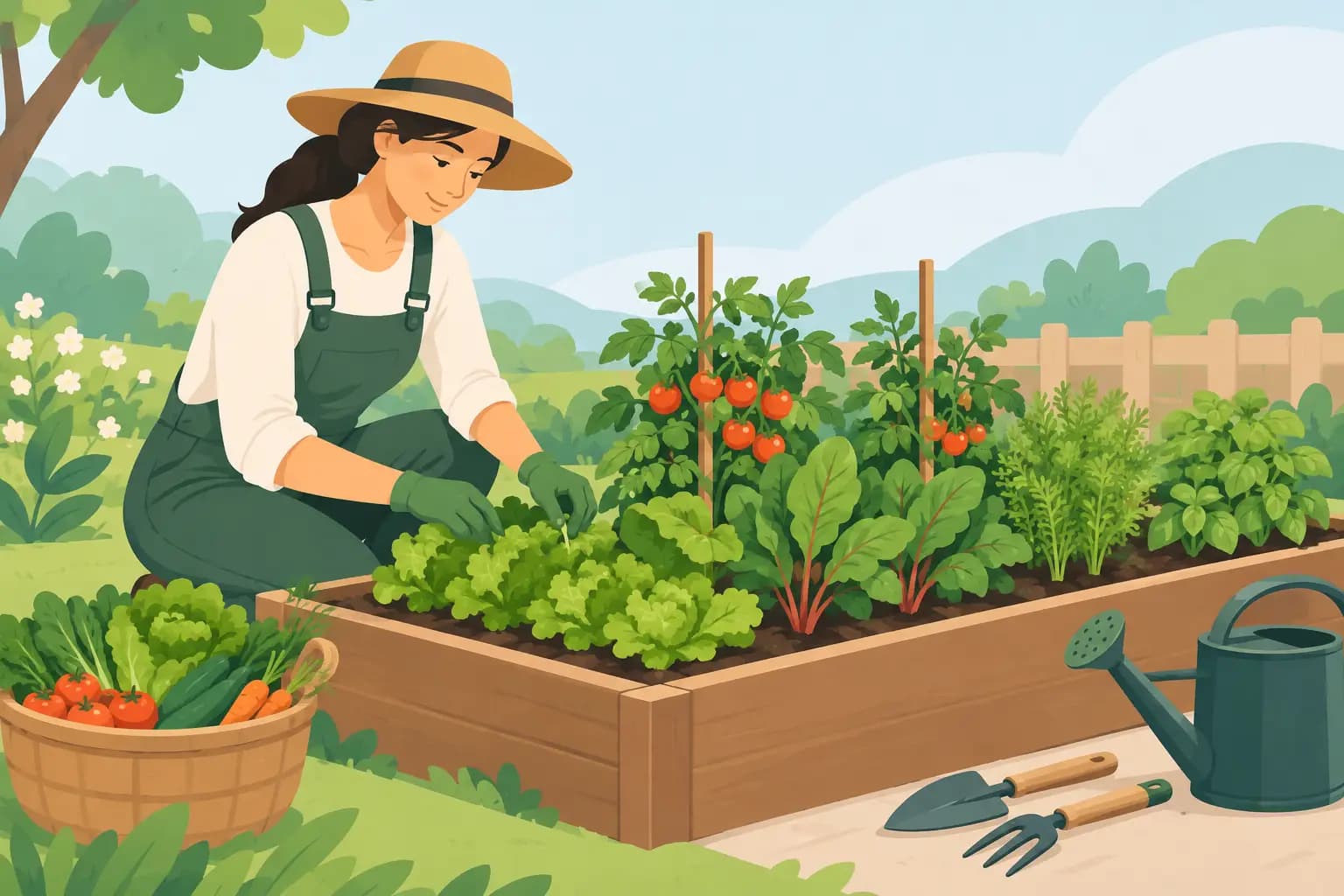
A vegetable garden rarely fails because someone missed one perfect task. It usually slips when small jobs pile up: thirsty seedlings go unnoticed after a hot week, a few weeds set seed, a tomato leaf spot spreads while you wait for a free Saturday. The purpose of this beginner vegetable garden maintenance guide is to give you a short, repeatable rhythm so your garden gets attention before it becomes another project.
You do not need to inspect every plant every day. Most home gardens respond well to one focused weekly check, plus a quick look after severe heat, heavy rain, wind, or a frost warning. Start with what can cause the most damage soon, then spend your remaining time on improvements.
Build a 20-minute weekly garden walk
Pick a consistent time, such as Sunday morning or the first evening after trash day. Bring a bucket for weeds, pruners, a hose or watering wand, and your phone for notes and photos. Walk slowly enough to notice changes, but do not turn the visit into a scavenger hunt for imaginary problems.
Begin with the weather and the soil. If the past week brought steady rain, watering may not be needed at all. If it was hot, dry, and windy, newly planted vegetables and containers may need attention before established beds. Push a finger two inches into the soil near the root zone. If it feels dry at that depth, water. If it is cool and damp, leave it alone.
Then look for three things: plants that are wilting or discolored, weeds competing near young crops, and vegetables ready to harvest. That order matters. A cucumber ready today can be tough and oversized by next weekend, while a dry pepper transplant may not recover well from another hot afternoon.
A useful weekly routine is to check moisture, harvest, weed, inspect leaves, and make one small improvement. The improvement might be tying up a tomato, adding mulch, thinning crowded carrots, or replacing a broken plant label. One task is enough. The goal is steady care, not a perfect-looking garden.
Water the root zone, not the calendar
Beginners often ask how often to water. The honest answer is that it depends on your soil, rainfall, temperature, plant size, mulch, and whether vegetables are in the ground, raised beds, or containers. A fixed Monday-Wednesday-Friday schedule can lead to shallow roots or soggy soil.
When watering is needed, soak the root zone early in the day. Watering deeply and less often encourages roots to grow down where the soil stays cooler. Aim water at the base of plants instead of spraying foliage, especially for tomatoes, squash, cucumbers, and beans. Wet leaves overnight can give some fungal diseases an easier start.
Containers are the exception. They dry quickly, particularly when tomatoes, peppers, or herbs have filled the pot with roots. Check them daily during hot weather. A container can be dry by late afternoon even if the garden bed beside it is still fine.
If you have time for only one upgrade, add a two-to-three-inch layer of clean organic mulch around established plants. Keep it a few inches away from stems. Mulch slows evaporation, moderates soil temperature, and makes weeds easier to pull. It does not eliminate watering, but it makes the garden more forgiving when life gets busy.
Weed while the weeds are small
A weed the size of a thread is a 30-second job. A weed with a thick taproot, flowers, and seeds is a Saturday afternoon. Pull or slice weeds during your weekly walk, concentrating first on the space immediately around seedlings and smaller plants. Those crops have the least ability to compete for water and nutrients.
Do not feel pressured to clear every weed from every path. Prioritize weeds that are shading vegetables, setting seed, or growing within the bed. A reasonably tidy garden that gets regular attention is better than an immaculate garden that exhausts you.
After rain, weeds often pull more easily. After a dry spell, use a hand hoe or cultivate lightly near the surface. Avoid deep digging around crops. Vegetable roots, particularly beans, lettuce, and young squash, can be closer to the surface than they look.
Feed plants based on growth, not anxiety
Fertilizer is useful, but more is not better. Too much nitrogen can produce lush leaves and delay fruiting, especially in tomatoes and peppers. It can also create weak growth that attracts pests.
Start with the soil work you did before planting: compost and a suitable garden fertilizer applied according to the label. During the season, leafy crops such as lettuce, kale, and spinach may benefit from a light feeding as they grow. Fruiting plants often need support once they are established and beginning to flower or set fruit, but the right product and timing depend on your soil and what you applied at planting.
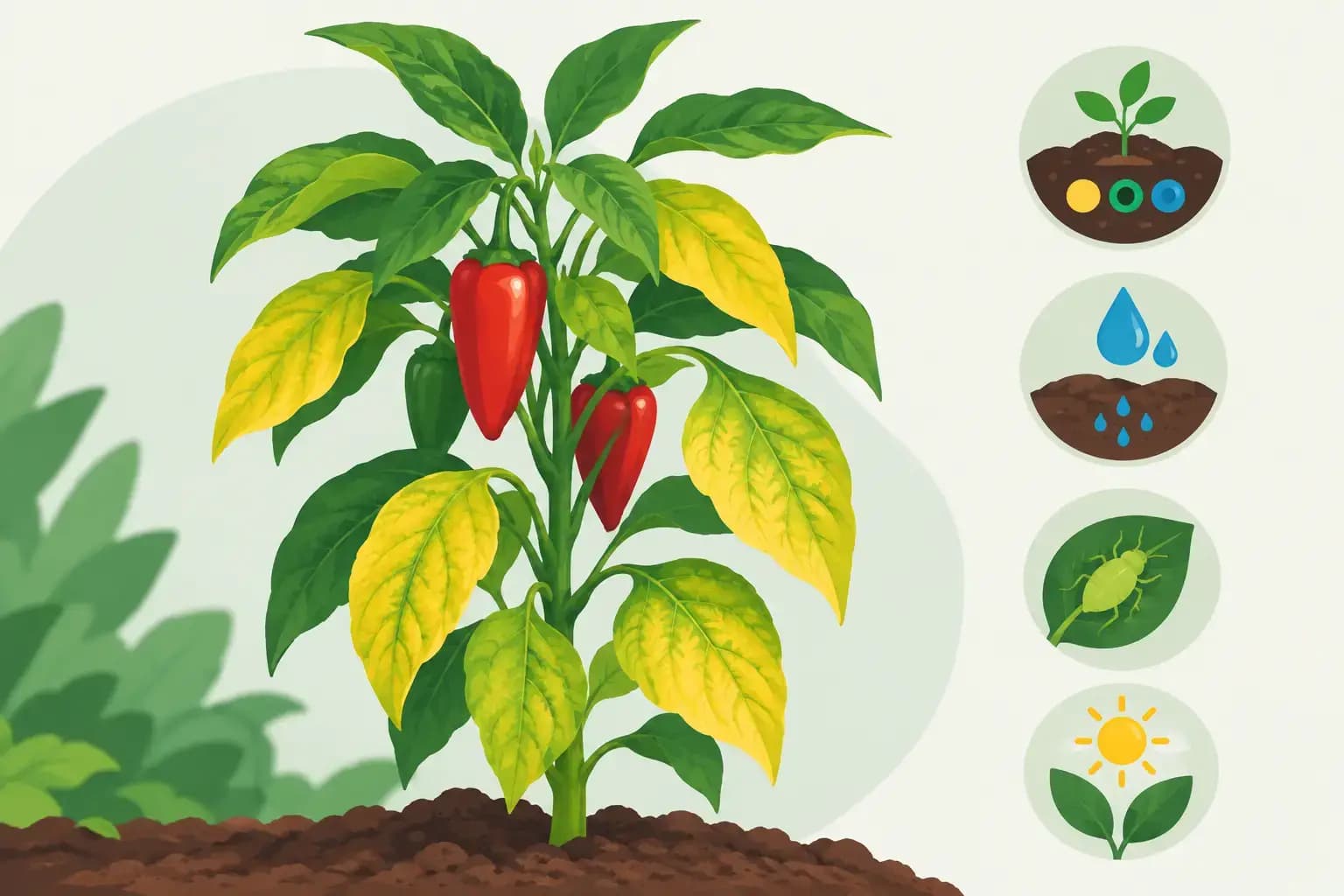
Watch the plant before reaching for fertilizer. Pale older leaves, slow growth, or poor production can point to a nutrient issue, but they can also come from cool weather, compacted soil, overwatering, root damage, or low sunlight. Correcting the wrong problem wastes time and can make the real one worse.
A simple garden log helps. Record when you planted, fertilized, watered deeply, saw the first flowers, or noticed a concern. Tomatograph can turn local weather, crop stages, and your own observations into a shorter list of what needs attention this week, rather than asking you to remember every detail across several beds.
Catch pests and disease before they become a project
Turn over a few leaves during each garden walk. Check the newest growth and the undersides of leaves, where aphids, spider mites, and eggs can hide. Look for chewed holes, sticky residue, curled leaves, powdery white patches, or spots that are spreading from leaf to leaf.
Do not panic at the sight of one insect or one damaged leaf. Gardens are living systems, and some leaf damage is normal. Act when you see a pattern: a pest population increasing, new damage appearing daily, or symptoms moving through a plant.
For many early problems, the first response is physical. Handpick large caterpillars, knock aphids off with a firm stream of water, remove badly infected leaves, and clear fallen diseased foliage from the bed. Improve airflow by supporting sprawling plants and pruning only the leaves that are crowded, damaged, or touching soil. Avoid removing large amounts of healthy foliage during a heat wave, since leaves also protect fruit from sunscald.
If you use a pest or disease treatment, identify the problem first and follow the label exactly. Broad treatments can harm beneficial insects and do little for a disease or pest they do not target. A clear photo taken in good light is often more useful than a rushed guess.
Harvest often and support plants before they flop
Harvesting is maintenance. Beans, zucchini, cucumbers, peas, and many herbs keep producing better when ripe food is picked regularly. Check fast crops twice a week in peak season. A zucchini can hide under one leaf and become enormous before your next garden walk.
Tomatoes, peppers, and eggplants benefit from support installed early. Add stakes, cages, or trellises before plants become heavy. Trying to force a mature tomato into a cage can break stems and damage roots. Tie stems loosely with soft material, leaving room for growth.
Keep harvested produce out of the sun while you work. Heat can shorten its storage life, especially for leafy greens and herbs. Bring a basket, pick what is ready, and enjoy the small proof that the routine is working.
Adjust your routine when weather changes
Weather is the part of garden maintenance that ignores your plans. Before a cold night, cover tender crops or bring containers inside. Before a heat wave, water deeply if the soil is dry, check containers daily, and postpone heavy pruning or transplanting. After a hard rain, wait until soil is workable before walking through beds or pulling weeds, so you do not compact it.
Frost dates are guidelines, not guarantees. A protected backyard can be warmer than a nearby open field, while a low spot can collect cold air. Watch the actual forecast for your address and act early when tender plants are at risk. Covering basil before Thursday night is far easier than replacing it on Saturday.
The same principle applies to rain. A forecast of showers is not a reason to skip watering if your bed is dry now, and a heavy storm is not proof that every root zone received enough moisture. Check the soil and let the garden tell you what happened.
Keep the next task visible
The most useful maintenance system is the one you can follow after work, when you have fifteen quiet minutes and limited energy. Leave tools where you can reach them. Keep a small bucket near the bed. Write down one next action, not ten.
A garden does not need constant intervention to be productive. It needs timely attention to the few things that matter right now. This week, walk the beds, check the soil, pick what is ready, and handle the smallest problem before it gets bigger.