AI Gardening Apps That Help You Act on Time
6 min read
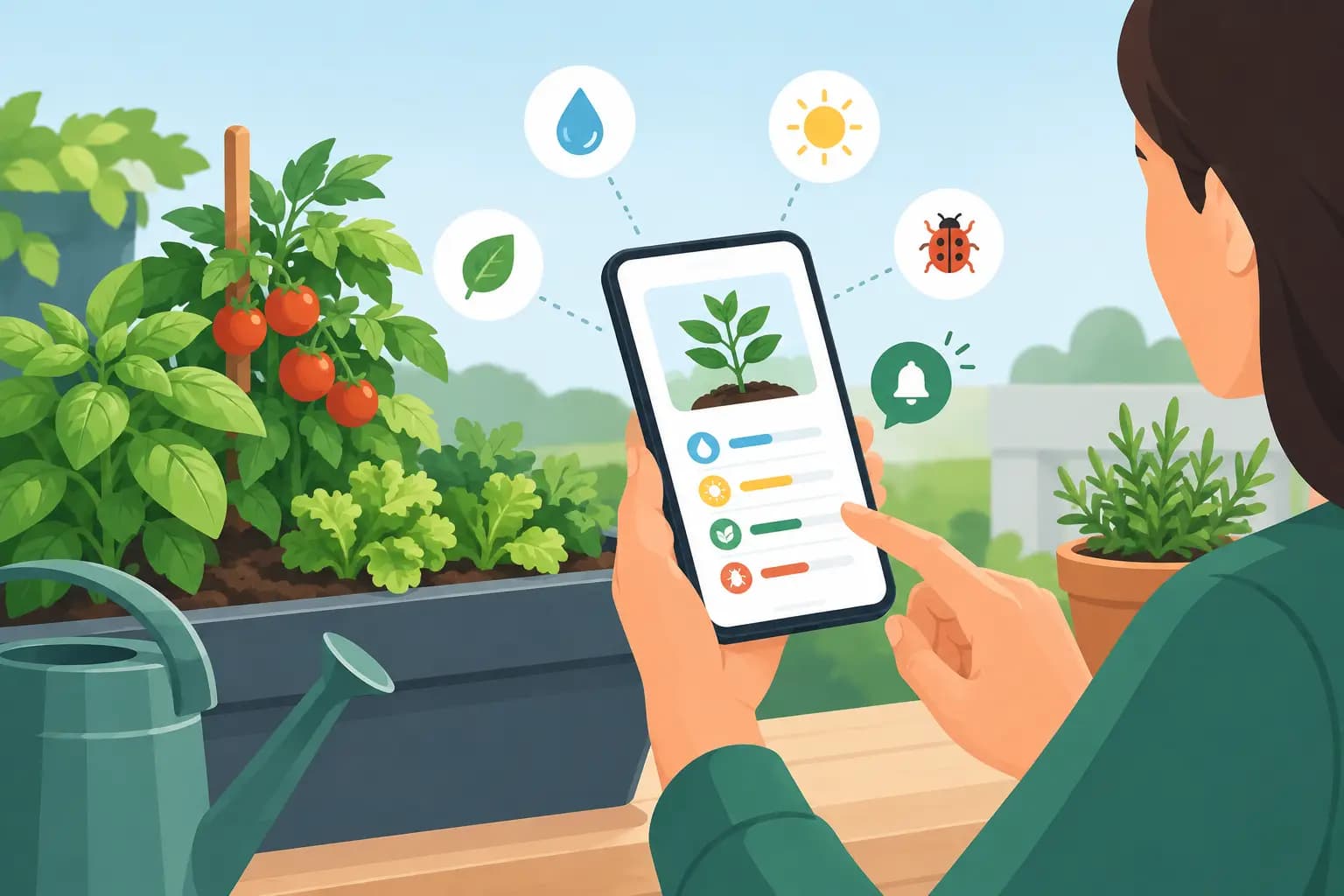
A frost warning at 3 p.m. is not the time to scroll through care sheets for basil, peppers, and tomatoes. You need to know what to cover, what can stay outside, and whether the work will take five minutes or an hour. The best AI gardening apps are built for that moment: they turn changing conditions into a short list of useful decisions for your actual yard.
That distinction matters. Plenty of apps can identify a leaf from a photo or tell you that tomatoes like full sun. Those features can be useful, but they do not answer the question most busy gardeners have after work: what needs attention tonight?
What AI Gardening Apps Should Actually Do
Outdoor gardens are moving targets. A watering plan that made sense Monday can be wrong by Thursday after a half-inch of rain. A healthy-looking cucumber can develop early powdery mildew quickly. A lawn can need different attention during a hot spell than it did during a mild, wet week.
Useful AI should reduce that uncertainty rather than add another feed to check. It should combine details that gardeners already weigh, often imperfectly: local forecast, rainfall, overnight lows, planting dates, crop stage, recent observations, and photos of potential problems. Then it should translate them into a recommendation with a reason behind it.
For example, a helpful prompt is not simply, “Basil is frost sensitive.” It is: “Cover or bring in the basil before Thursday night. The forecast low is near frost range, and basil damage can happen fast. Allow 10 minutes.” That gives you a deadline, a task, and enough context to decide whether to act.
The same logic applies to watering. If rain arrived yesterday and cooler weather is ahead, an app should not keep sending a generic reminder to water the raised beds. If your tomatoes are fruiting during a dry, hot stretch, it should flag the need for deeper, more consistent moisture before problems show up.
The Difference Between Identification and Garden Management
Plant identification is a narrow job. You take a photo, receive a likely plant name, and perhaps read a care card. That is valuable when you inherited a yard or found an unfamiliar volunteer plant, but it is only the beginning of garden management.
A vegetable garden has beds, varieties, planting dates, successive sowings, supports, pests, harvest windows, and weather exposure. A small greenhouse adds ventilation, temperature swings, and seasonal setup decisions. A lawn has its own timing, determined by grass type, rainfall, heat, mowing height, and seasonal growth.
AI gardening apps become more useful when they understand those spaces as connected, practical systems. Instead of holding a folder of plant facts, they should help you keep track of what is growing where and identify the few actions that will protect the most value.
That might mean telling you to harvest mature zucchini before a heat wave, thin crowded lettuce before damp weather encourages disease, or delay lawn watering because meaningful rain is likely overnight. The recommendation should fit the condition, not just the calendar.
How to Choose an App That Saves Time
The right app depends on what you grow and how much of the yard you manage. A person with three houseplants needs something different from a homeowner managing four raised beds, rosemary by the patio, a DIY greenhouse, and a cool-season lawn.
Start by looking at the kind of context the app can use. Weather-aware recommendations are far more practical when they account for your location instead of giving the same weekly checklist to every user. Frost risk is especially important in spring and fall, when a forecast can change your priorities in a single afternoon.
Next, look for garden-level organization. Can you record individual beds or growing areas? Can you separate the cherry tomatoes from the peppers, herbs, and lawn? An app that treats every plant as an isolated item can become tedious once your garden expands. You should be able to open the app and understand what is happening in each space without rebuilding your garden in a spreadsheet.
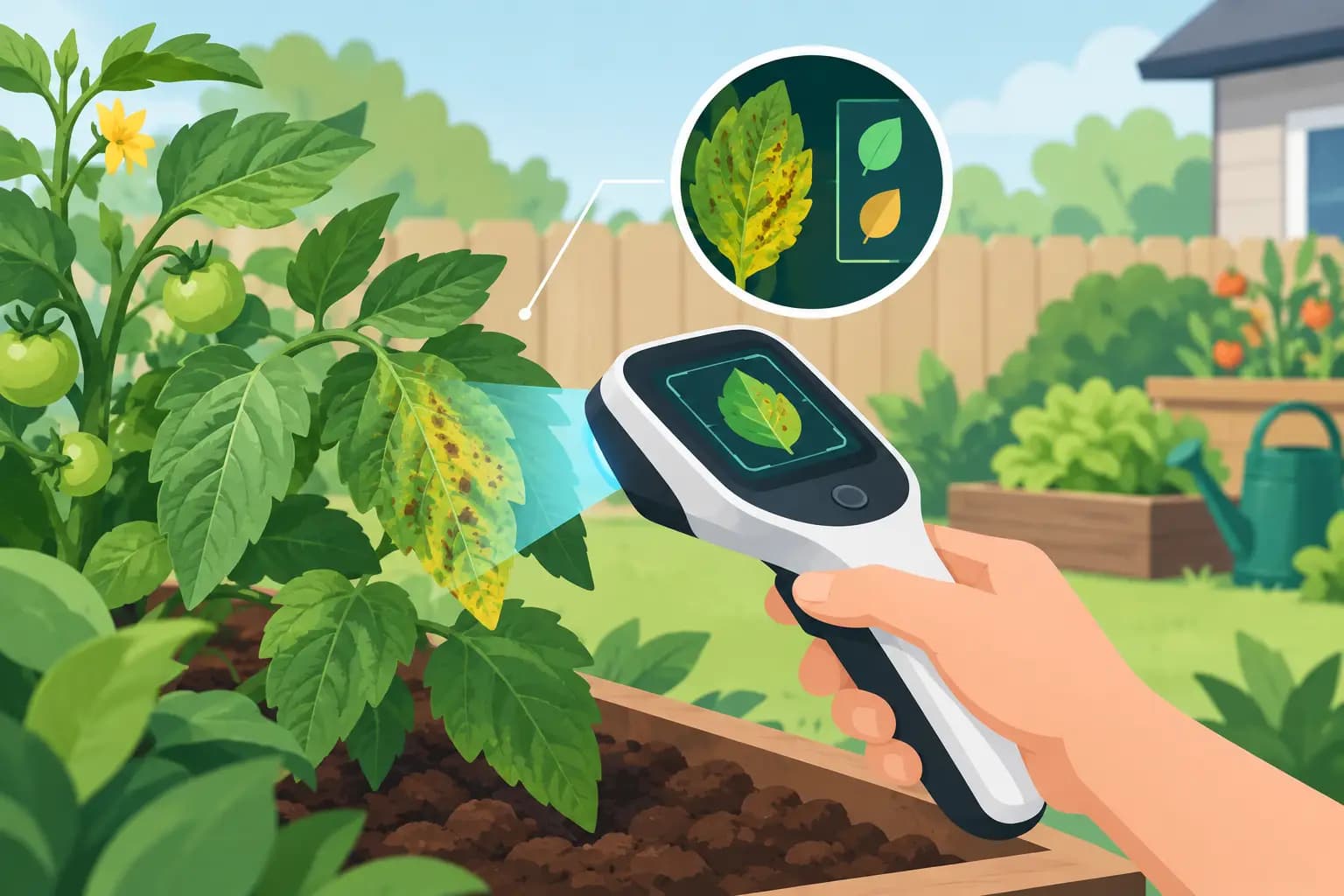
Photo-based health checks are another worthwhile feature, with a reasonable expectation. A photo can help surface likely issues such as chewing damage, leaf spots, nutrient stress, or mildew. It cannot always provide a certain diagnosis. Lighting, image quality, overlapping symptoms, and local pest pressure all matter.
The best tools present photo feedback as guidance for a next inspection, not as a final verdict. If the app suspects powdery mildew, it should direct you to inspect the leaf surfaces, improve airflow where possible, remove badly affected leaves, and watch nearby plants. That is more useful than a confident-sounding label with no next step.
Finally, pay attention to the workload the app creates. If it asks you to log every watering, leaf, and harvest before it gives anything back, it may become another chore. Good garden technology earns its place by making your next decision easier.
A Better Weekly Rhythm for Outdoor Care
For most home gardens, a weekly review works better than a pile of scattered notifications. It gives you a calm moment to see what has changed, then handle the work in an order that makes sense.
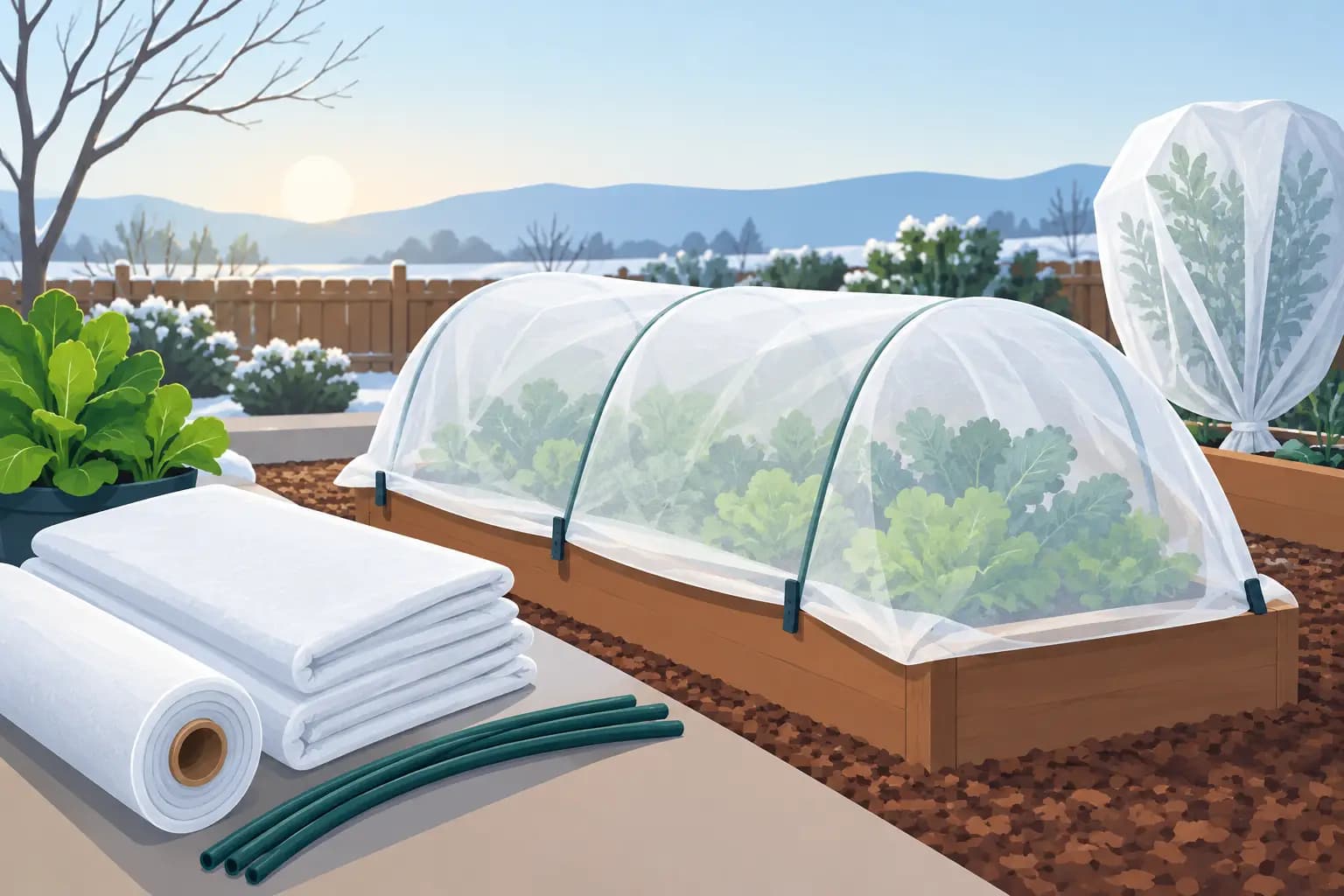
Begin with deadlines. Check overnight lows, hard rain, high winds, heat, and any conditions that could cause immediate damage. Frost protection, greenhouse venting, securing tall plants, and moving containers to shelter come before optional pruning or tidying.
Then look for tasks tied to plant stage. Young seedlings may need thinning or protection. Fruiting tomatoes may need support and steady water. Beans may need picking before pods become tough. Herbs may benefit from harvests that keep them productive. Timing is where generic care advice often falls short, because “water regularly” means something different for a newly transplanted pepper than for an established sage plant.
After that, inspect problems that can spread or compound. A few aphids on a kale leaf may only need monitoring. Wilting across an entire bed could point to heat, dry soil, root trouble, or a watering-system issue. Prioritize the conditions that threaten multiple plants or the crops you would miss most.
A concise plan also helps you work with the time you have. Fifteen quiet minutes can cover a row, pick ripe cucumbers, and check the greenhouse vents. A longer Saturday session can handle mulching, tying up tomatoes, mowing, and reseeding a thin lawn patch. Both are useful when the plan is clear.
Where AI Still Needs Your Judgment
No app can feel the soil in your hand, notice a rabbit path under the fence, or know that a neighbor’s tree now shades your afternoon bed. AI can organize signals and identify patterns, but local observation remains the foundation of good gardening.
Treat recommendations as well-timed guidance, then check the real condition in front of you. Before watering, push a finger into the soil rather than trusting a schedule alone. Before treating a suspected pest, inspect several plants and look under leaves. Before fertilizing a yellowing plant, consider temperature, moisture, roots, and recent transplant stress.
There are also trade-offs around notifications. Too few, and an app misses its purpose. Too many, and you stop reading them. The most useful systems reserve alerts for real deadlines, such as a frost-risk night, extreme heat, a missed stage-specific task, or a health issue that deserves a closer look.
Privacy and data quality deserve a quick look, too. Weather recommendations need an accurate location. Garden plans improve when planting dates and observations are current. You do not need to document everything, but entering the basics honestly helps the app give advice that fits your garden rather than an imaginary one.
Turning Information Into Tonight’s Work
The value of a garden app is not how many plant facts it can display. It is whether it helps you protect a productive bed before a cold night, avoid watering after rain, catch a problem early, or remember the harvest that would otherwise go too far.
Tomatograph is designed around that practical standard, bringing weather, frost risk, growth stages, garden records, photo checks, greenhouse planning, and lawn guidance into a focused weekly plan. The goal is not more garden administration. It is clearer priorities and more time outside doing the work that matters.
Your garden will always have more possible tasks than available hours. Choose the tool that helps you see the one or two actions worth taking before the sun goes down.