Weather Based Garden Task Planning That Works
6 min read
A forecast says rain on Thursday, but your tomatoes are limp on Tuesday. A freeze warning appears after you planted basil. The lawn looks ready to mow, then three wet days arrive. Weather based garden task planning is what turns those scattered signals into a short, workable answer: what needs attention tonight, what can wait, and what should be left alone.
The goal is not to build a more complicated garden calendar. It is to avoid doing the wrong job at the wrong time. A good plan protects tender plants before a cold snap, skips watering when meaningful rain is on the way, and catches harvests before heat or heavy weather damages them.
Why a fixed garden calendar falls short
Seed packets and care sheets can tell you that tomatoes need regular water or that cool-season greens prefer mild weather. They cannot tell you whether your soil received a half-inch of rain yesterday, whether a 38-degree forecast creates frost risk in your low-lying yard, or whether your squash leaves will stay wet long enough for disease pressure to rise.
That is why a monthly task list is useful only as a starting point. Gardens do follow seasons, but the work is controlled by conditions. The same mid-June week may call for deep watering in one year and no irrigation at all in another.
Your garden also has its own microclimates. A raised bed against a warm wall, an exposed herb pot, a shaded lettuce patch, and a small greenhouse do not respond to weather in the same way. Planning by local forecast is better than planning by the national weather report. Planning by the conditions around each growing area is better still.
Build weather based garden task planning around triggers
Instead of asking, “What should I do in the garden this week?” start with, “What weather event changes what my garden needs?” That question narrows the work quickly.
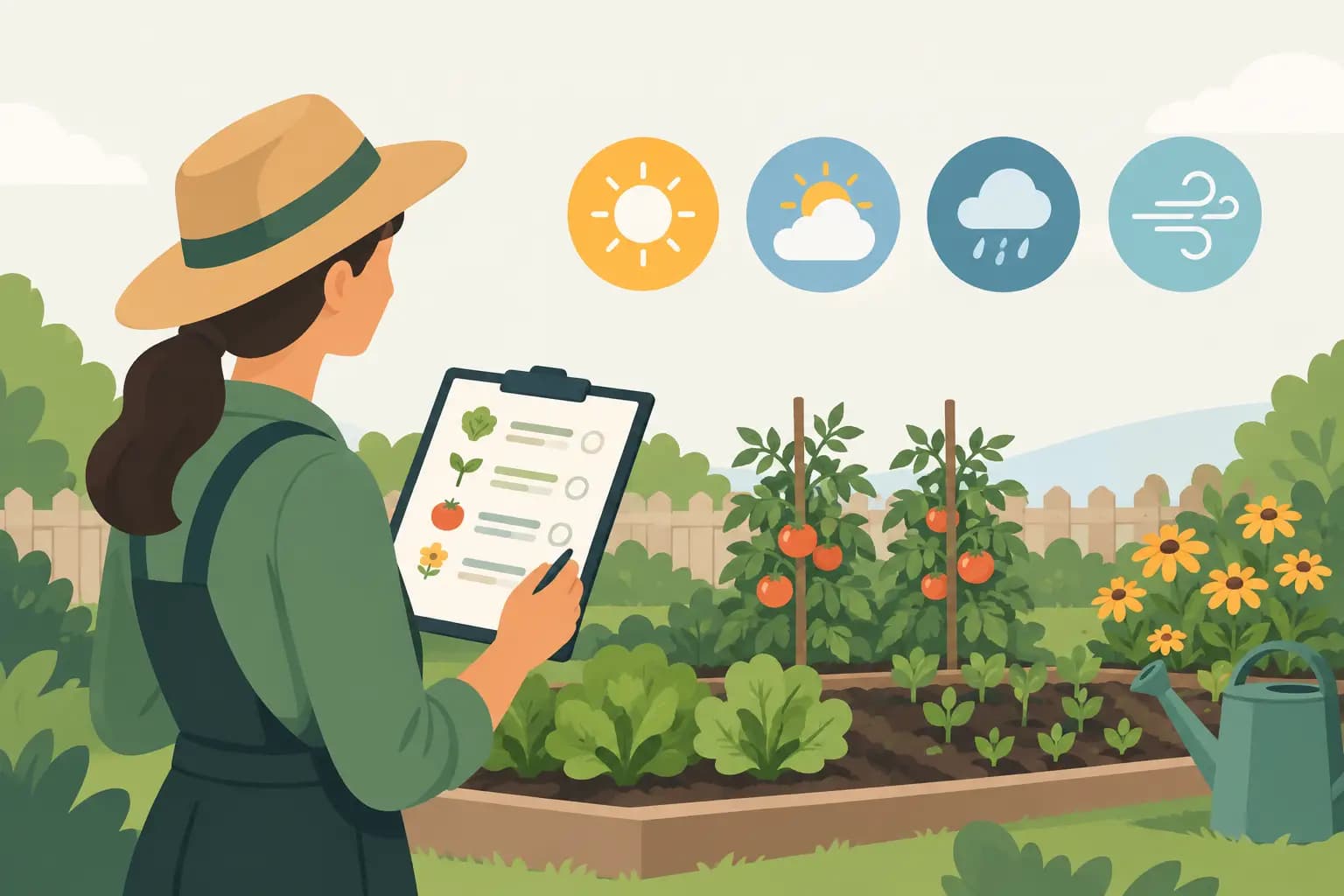
The most useful triggers are temperature, rainfall, wind, humidity, and heat. Add soil moisture and plant growth stage, and the plan becomes far more reliable than a generic checklist.
Cold nights change the order of everything
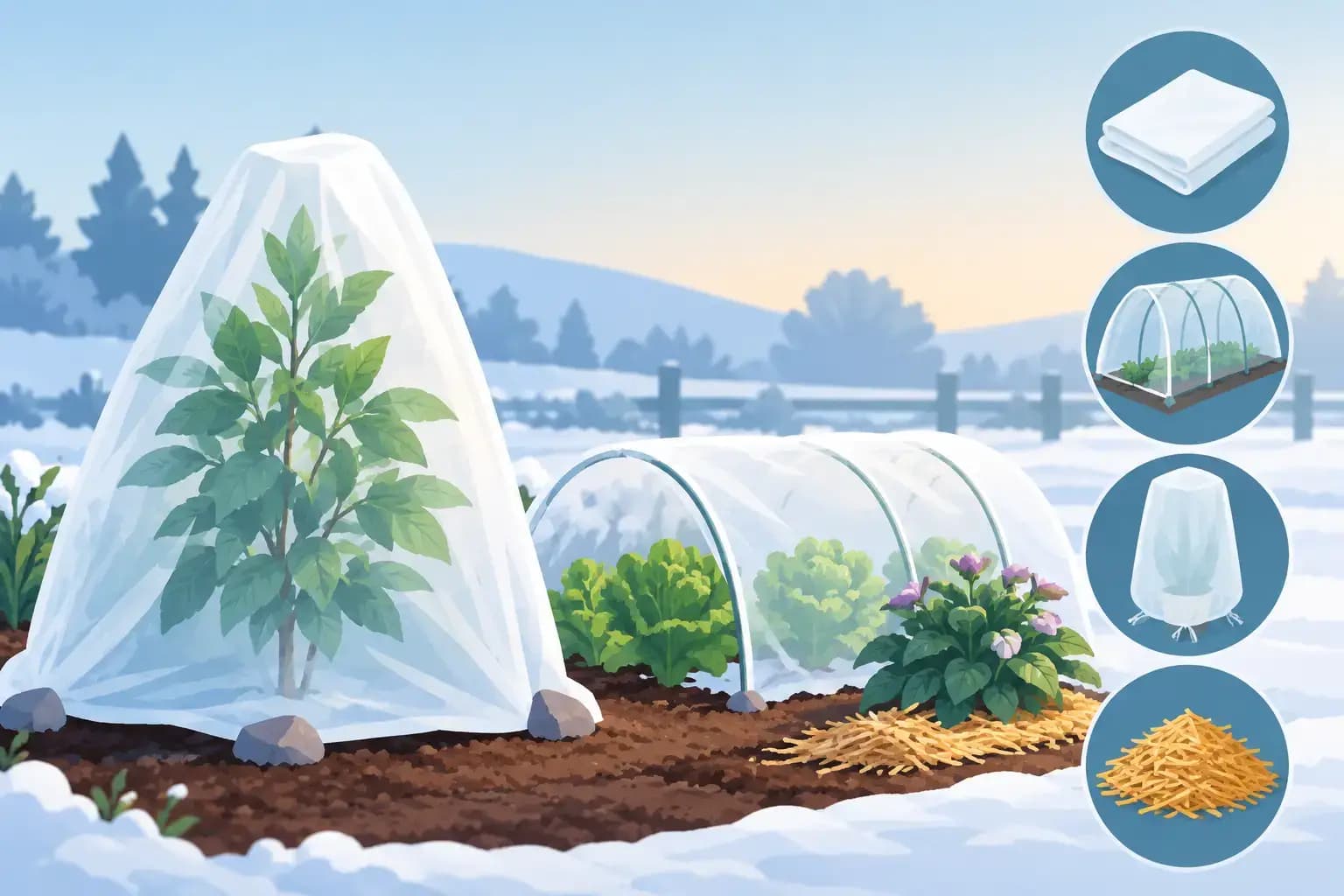
A frost forecast moves protection to the top of the list. Tender crops such as basil, peppers, tomatoes, cucumbers, and beans need attention before sunset, not after the first cold morning. Bring containers close to the house or indoors if possible. Cover in-ground plants with fabric designed for frost protection, securing the edges so warmth from the soil can stay near the plants.
The actual risk depends on your garden. A forecast of 36 degrees may be manageable on a protected patio but damaging in a low spot where cold air settles. Young transplants are also less forgiving than established plants. If you have only fifteen quiet minutes, prioritize the warm-season crops and any seedlings you cannot easily replace.
Cold weather also changes watering. Dry soil loses heat faster than lightly moist soil, but soaking a bed right before a freeze is rarely the answer. Water earlier in the day if plants genuinely need it. Avoid creating a muddy problem in the name of frost protection.
Rainfall should cancel some tasks, not create more
Rain in the forecast does not automatically mean “skip watering.” A passing shower may barely wet the mulch, while a slow overnight rain can supply enough moisture for several days. Check the soil two to three inches below the surface near plant roots. If it is cool and moist, wait. If it is dry below a damp surface, water deeply before the next hot stretch.
After substantial rain, resist the urge to tidy every bed. Wet soil compacts easily under foot, and pulling weeds from saturated ground can disturb nearby roots. Let beds drain before cultivating, transplanting, or working compost into the soil.
Rain also changes disease management. If tomatoes, cucumbers, squash, or roses have dense foliage, wet leaves and poor airflow can favor fungal problems. Once foliage dries, remove damaged leaves, tie up sprawling growth, and inspect the undersides of leaves. Do not spray or prune simply because it rained. Act when the forecast and the plant’s condition point to a real concern.
Heat changes the definition of “enough water”
A hot afternoon can make leaves droop even when roots have access to moisture. Check again near sunset or early the next morning before deciding the plant needs water. If it recovers as temperatures drop, it may be responding normally to heat. If it remains wilted and the soil is dry at root depth, give it a slow, deep soak.
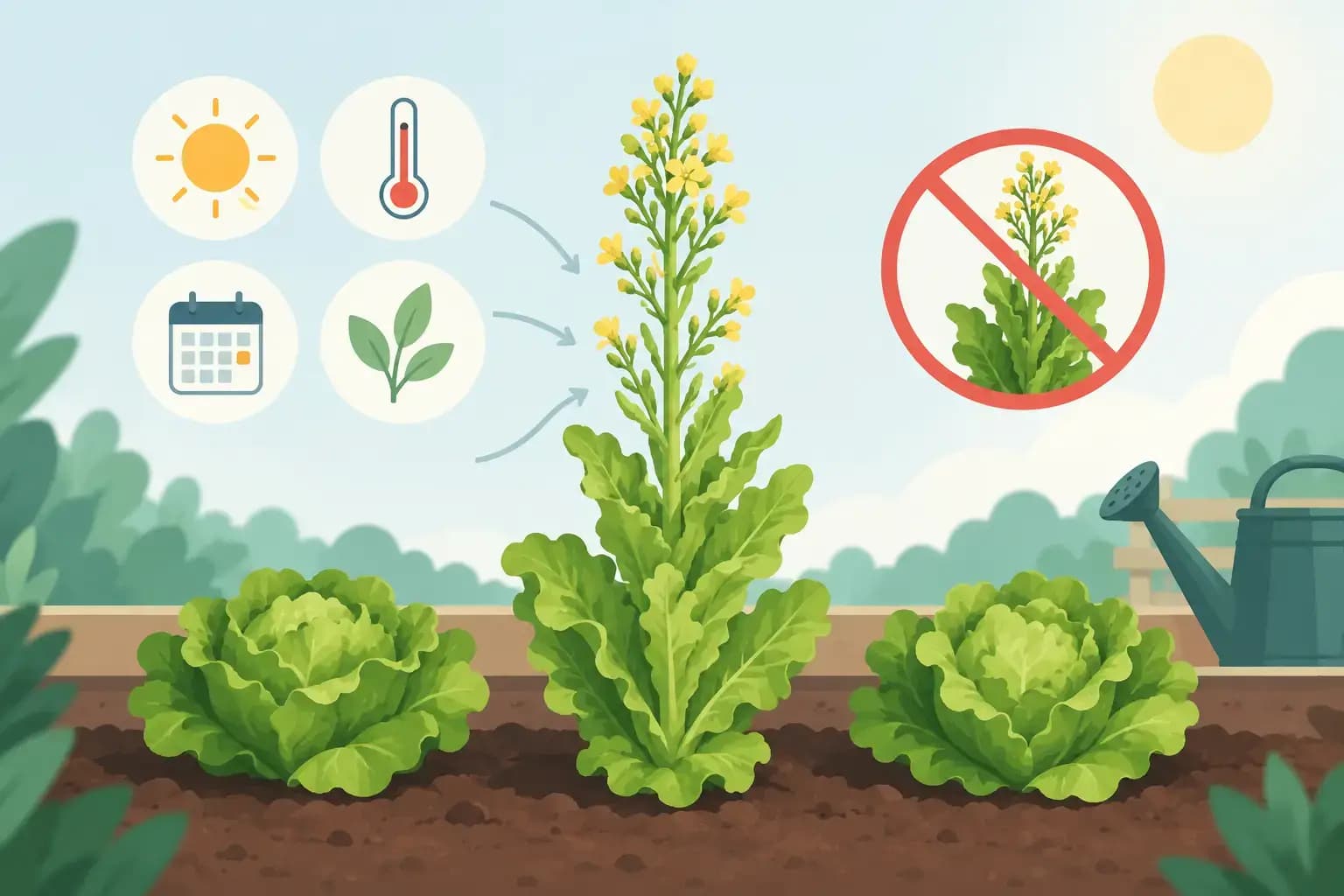
Heat is also a harvest trigger. Pick zucchini before it becomes oversized, gather beans before pods turn tough, and harvest herbs before they flag in the afternoon sun. For lettuce and cilantro, hot weather can push plants toward bolting. Harvest usable leaves now rather than waiting for the perfect weekend.
Mulch earns its place during hot periods because it slows evaporation and reduces soil temperature swings. Keep it a few inches away from stems to avoid trapping excess moisture against the plant.
Wind deserves a place on the plan
Wind dries containers and raised beds faster than many gardeners expect. It can also snap tomato branches, shred young leaves, knock over pots, and pull row cover loose just when a cold night arrives.
Before a windy system, harvest ripe fruit, secure trellises, and move lightweight containers into shelter. Delay applying lightweight mulch, spreading dry amendments, or spraying any treatment. Even when wind does not visibly damage plants, it can increase watering needs. Check the root zone instead of relying on yesterday’s irrigation schedule.
Match the task to the plant’s stage
Weather does not act on every plant equally. A two-inch pepper transplant, a flowering pepper, and a pepper loaded with fruit have different priorities under the same forecast.
Seedlings need protection from temperature swings and consistent moisture. Newly planted transplants need root-zone water and shade from extreme heat if they have not settled in. Fruiting crops need support, steady moisture, and timely harvest. Mature cool-season greens may tolerate light frost but need attention during sudden heat.
This is where garden notes become useful rather than burdensome. Record what was planted, where it is growing, and what you observed last time. A quick note such as “cucumber bed watered deeply Monday” is enough to prevent duplicate work after an inch of rain. A photo of a suspicious leaf can help you compare whether a spot is spreading or staying contained.
Tomatograph approaches this by combining local weather, frost risk, growth stages, and garden records into a focused weekly plan. The useful part is not more information. It is seeing that the basil needs covering before Thursday night, while the carrots can wait until the soil dries.
Make a weekly plan that survives real life
A weather-aware plan should be short enough to use after work. Start by checking the next seven days, then identify the one or two conditions most likely to cause trouble: a cold night, heavy rain, a heat wave, or sustained wind.
Next, look for tasks with deadlines. Frost protection has a deadline. Harvest before a storm has a deadline. Watering a newly planted bed before three 90-degree days has a deadline. Weeding, edging, and reorganizing pots usually do not.
Then give each task a time estimate. “Cover basil - 10 minutes” is much more likely to happen than “prepare garden for cold.” A useful evening plan may be as simple as checking the cucumber soil, harvesting beans, and securing two tomato ties.
Keep an eye on the lawn, too. Do not mow wet grass, and do not cut severely stressed turf during extreme heat. If grass is actively growing and dry, mowing can wait until the blade height and weather cooperate. A lawn does not need a perfect schedule. It needs fewer stressful cuts.
Know when not to act
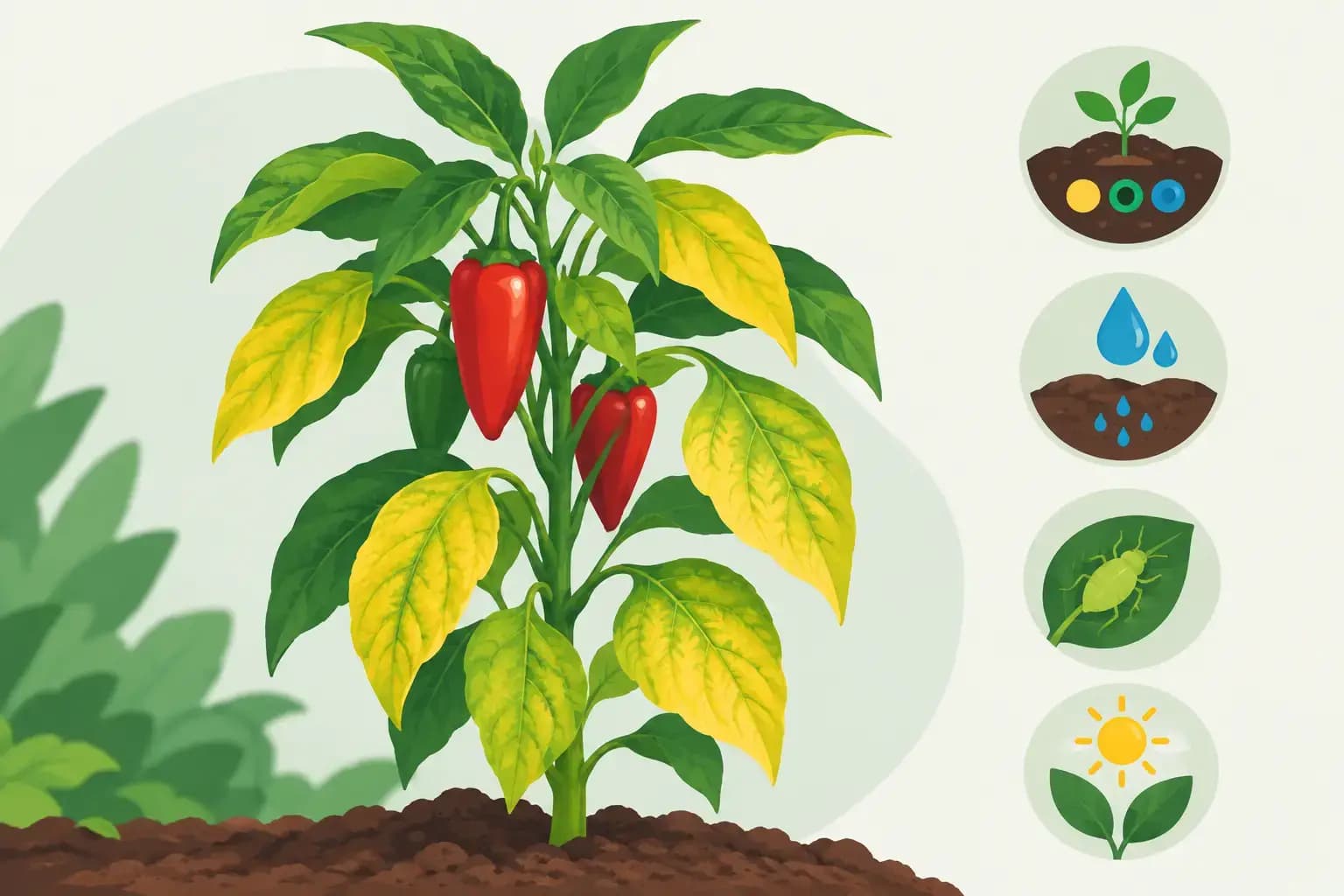
Good garden planning includes deliberate restraint. Do not fertilize plants that are wilted from heat until you have confirmed moisture and root health. Do not transplant ahead of a hard freeze or during a punishing hot, windy afternoon. Do not treat every yellow leaf as disease when it may be an older leaf, a watering issue, or normal seasonal change.
Weather creates urgency, but not every alert deserves the same response. A light rain forecast is not a reason to ignore dry containers. A single chilly night is not always a reason to dismantle your entire garden. Look at the crop, its location, its stage, and the actual conditions in the soil.
The best plan leaves you with a garden that is cared for, not a longer list. Check the forecast, handle the task with a real deadline, and let the rest wait until it truly matters.